
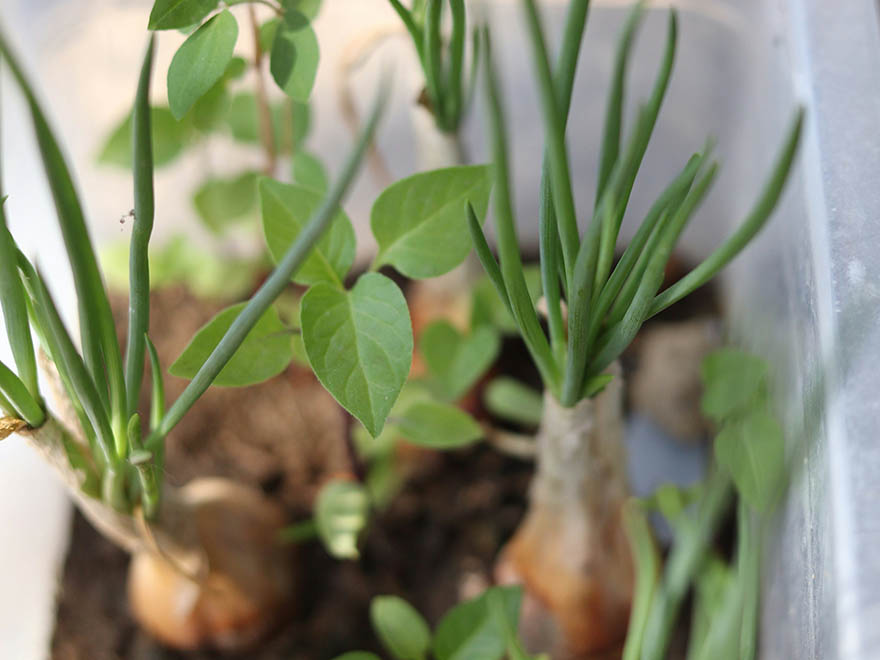
Pepper and eggplant seeds test your patience. They can sit in warm soil for 2 to 3 weeks before showing any sign of life. Green onion sprout extract speeds that up. Put the green tops in cold water and refrigerate for a few days. The liquid pulls out sulfur compounds and growth-promoting substances that wake up dormant seed metabolism. Zero cost if you have green onions in the kitchen.
TL;DR: Place green onion sprouts (the green tops from 2 to 3 onions) in about 2 cups (500 ml) of cold water. Refrigerate for 2 to 3 days. Strain. Soak seeds in the extract at full concentration for 12 to 24 hours at room temperature. Plant immediately. Keeps up to 5 days in the fridge.
The recipe
You need:
- Green tops from 2 to 3 green onions (scallions) or sprouted bulb onions
- About 2 cups (500 ml) of cold water
- A glass jar with a lid (at least 2 cups / 500 ml)
- A fine strainer or cheesecloth
- A bowl for soaking seeds
Which onion type works best:
Any onion that has green sprouts works. Scallions (green onions) from the grocery store are the easiest source. Bulb onions that have sprouted in your pantry work just as well. Use the green tops only. The white bulb and roots contain different compounds and are not part of this recipe.
If you buy scallions, cut off the green tops and regrow the white bases in water on your windowsill for a continuous supply.
Do it:
- Cut the green tops from 2 to 3 green onions. Chop or mince them roughly to break the cell walls and release more compounds.
- Place the chopped greens into a glass jar.
- Pour about 2 cups (500 ml) of cold water over the greens. Press them down so they are submerged.
- Cover with a lid and place in the refrigerator.
- Let it steep in the fridge for 2 to 3 days. The cold extraction preserves the active compounds that heat would destroy.
- After 2 to 3 days, strain the liquid through cheesecloth or a fine strainer. Squeeze the greens to get all the extract out. Discard the greens.
- The strained liquid is your extract. It may have a pale green or yellowish tint and a mild onion smell.
Store the extract in a sealed jar in the refrigerator. Use within 5 days.
How to use it
Seed soak (main use):
Pour the extract into a shallow bowl at full concentration. Do not dilute. Place your seeds in the liquid. Soak at room temperature for 12 to 24 hours. Pepper and eggplant seeds benefit from the full 24 hours. Faster-germinating crops like tomatoes and cucumbers need only 12 hours.
Remove seeds and plant immediately into moist starting mix. Do not rinse. The extract continues working as the seed enters the soil.
Timing tip: Start the extract 3 days before your planned sowing date. Day 1: chop greens and refrigerate. Day 3: strain. Day 3 evening: start soaking seeds. Day 4 morning or evening: plant.
Which plants benefit most
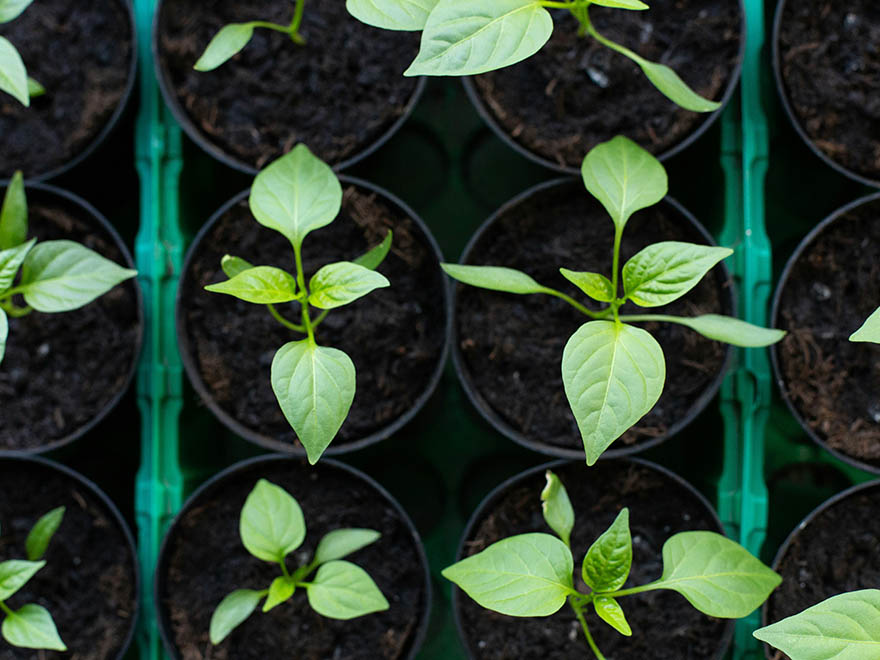
This extract targets stubborn, slow-germinating seeds. The slower the seed, the bigger the improvement.
Best results: Peppers. This is the #1 target for onion sprout extract. Pepper seeds germinate slowly even under ideal conditions (80 °F / 27 °C soil). Old pepper seeds are worse. The extract triggers metabolic activation in the embryo and can cut germination time from 14 days to 7 to 10 days. If you are starting bell peppers from seed, soak them in this extract first.
Strong results: Eggplant. Same family as peppers (nightshades), same slow germination pattern. Eggplant seeds respond well to the 24-hour soak. Expect germination to start 3 to 5 days earlier than untreated seeds.
Good results: Parsley, celery, and cilantro. These crops have notoriously slow and uneven germination. The extract helps synchronize sprouting.
Useful for: Older tomato seeds (2+ years old). Fresh tomato seeds germinate fast on their own, but older stock benefits from the metabolic push. Combine with the right soil temperature for best results.
Less useful for: Fast germinators like lettuce, radish, and beans. These seeds pop up in 3 to 7 days without help. The extract does not hurt them, but you are unlikely to notice a difference.
Skip for: Pelleted or pre-treated seeds. The soak dissolves commercial coatings. Plant coated seeds dry.
Why it works
Green onion sprouts are metabolically active tissue. When you cut the green tops and steep them in cold water, several classes of compounds leach out.
Sulfur compounds (including allicin precursors) from the onion family have antimicrobial properties. They disinfect the seed surface, reducing the mold and bacterial load that can slow germination or kill the embryo before it emerges. This surface-cleaning effect is similar to what hydrogen peroxide does, but through different chemistry.
Quercetin and other flavonoids in green onion tissue act as signaling molecules. They interact with the seed coat and trigger enzymatic activity inside the embryo. The result is faster mobilization of stored starch and protein into the energy the seedling needs to push out its first root.
The cold extraction matters. Refrigerator temperature (35 to 40 °F / 2 to 4 °C) pulls these compounds out slowly without breaking them down. Hot water would denature the proteins and destroy the sulfur compounds. Room-temperature steeping works but encourages bacterial growth that competes with the extraction process. Cold water gives you the cleanest, most potent extract.
What NOT to do
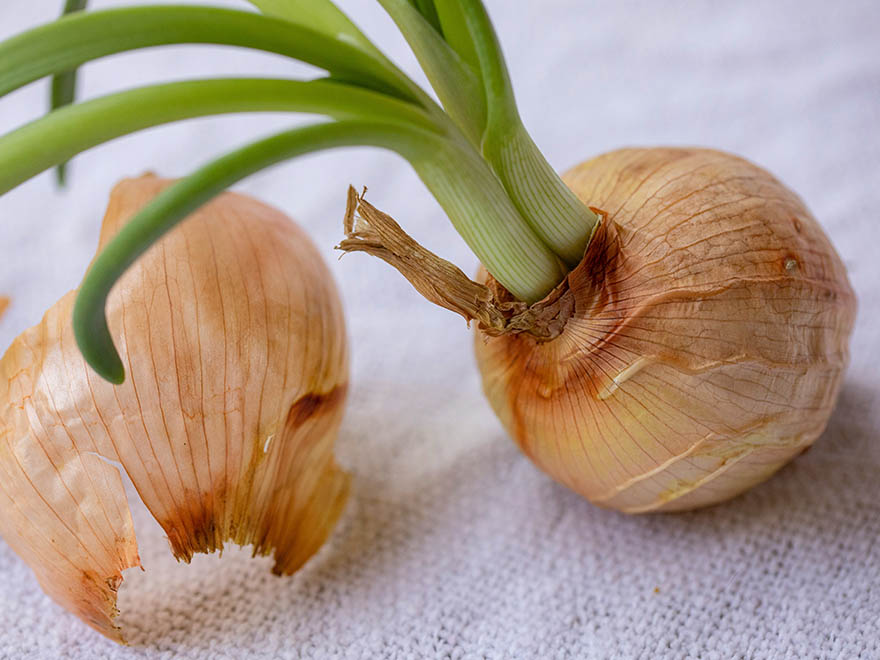
Do not use the white bulb or roots. Only the green tops contain the right balance of growth-promoting compounds. The white bulb has high sugar content that encourages bacterial growth in the extract and can ferment during steeping.
Do not steep at room temperature. Cold extraction in the fridge is the method. Room-temperature water encourages bacterial overgrowth within 24 hours. The result is a sour, fermented liquid that can harm seeds instead of helping them.
Do not dilute the extract. Use it at full concentration for seed soaking. The active compounds are already at working levels after a 2 to 3 day steep. Diluting reduces their effectiveness below the threshold that triggers metabolic activation.
Do not soak seeds longer than 24 hours. Seeds need oxygen to germinate. Extended soaking starves them of air. Pull seeds out by the 24-hour mark and plant immediately.
Do not use dried onion flakes or powder. Dried onion products from the spice aisle have lost the active compounds during dehydration. Fresh green sprouts are the only form that works for this recipe.
Do not keep the extract past 5 days. Even refrigerated, the organic compounds break down and the liquid becomes unreliable after 5 days. Make small batches and use them fresh.
FAQ
Why does this work better for peppers and eggplant than other seeds?
Pepper and eggplant seeds have a naturally slow metabolic start. Their embryos take longer to mobilize stored energy and initiate cell division. The sulfur compounds and flavonoids in onion sprout extract trigger that process earlier. Seeds that already germinate fast (lettuce, radish) are already running at full speed internally.
Can I use regular bulb onion sprouts instead of green onions?
Yes. If a bulb onion in your pantry has pushed out green sprouts, cut those green tops and use them the same way. The green portion of any sprouted onion (scallion, yellow, red, or white) contains the same active compounds. Do not use the bulb itself.
How long does the extract last in the fridge?
Up to 5 days in a sealed glass jar. After 5 days, the compounds degrade and bacterial growth makes the extract unreliable. If it smells strongly sour or has visible mold, discard it.
Can I combine this with other seed treatments?
Do not combine with hydrogen peroxide or chemical treatments at the same time. The oxidizers in peroxide would neutralize the sulfur compounds. Pick one treatment per batch. You can compare results by splitting seeds into two groups: one soaked in onion extract, one in ginger extract.
Does the onion smell transfer to the seeds or seedlings?
No. The mild onion smell is on the seed coat temporarily. It dissipates once the seed is planted in soil. The seedlings will not smell like onions and the flavor of peppers or eggplant is not affected.
Is cold extraction really better than hot?
Yes. Refrigerator temperature preserves the sulfur compounds and flavonoids that drive this recipe. Hot water breaks these molecules down. Room temperature works but encourages bacteria that compete with the extraction and can produce a sour liquid that harms seeds.
Is there a gardening app that schedules seed soaking and sowing?
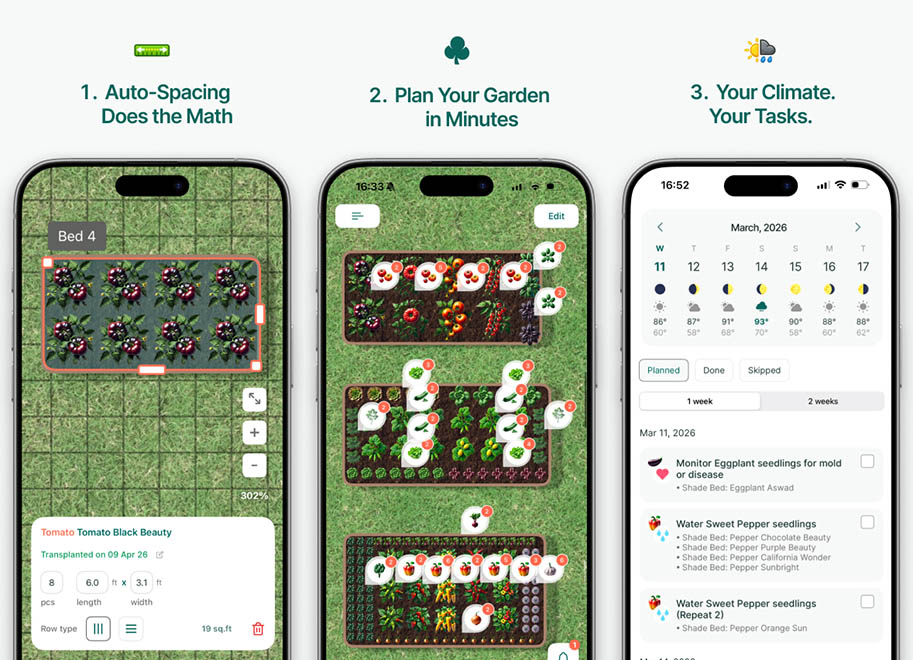
Yes. The easyDacha garden planner app schedules sowing dates by growth stage for your ZIP code. It reminds you when to start peppers and eggplant indoors so you hit the right window. Free 14-day trial at easydacha.com/download.
The kitchen scrap that fixes stubborn seeds
Those green onion tops you trim off and throw away are a free germination booster. Two to three days in the fridge, one strain, and you have an extract that wakes up the slowest seeds in the garden. Peppers and eggplant respond the strongest. The recipe costs nothing if you already buy scallions. And if you regrow the white ends in water, you never run out of source material.
The easyDacha gardening app schedules seed starting by growth stage and sends reminders so your peppers and eggplant go in on time.
Try easyDacha free for 14 days →. The garden planner app that plans your season in 60 seconds. Cancel anytime.
Related reading on easydacha.com
- Starting Bell Peppers from Seed: Beginner Guide — the full pepper seed-starting guide. Onion sprout extract slots in as the first step before sowing for faster germination.
- How to Make Corn Sprout Water for Root Stimulation (Natural Cytokinin) — another kitchen-scrap seed treatment. Corn sprout water delivers cytokinins for root branching; onion extract delivers sulfur compounds for metabolic activation.
- How to Use Ginger Extract for Seed Germination (Old Seed Revival) — ginger extract targets old seeds with gingerols. Compare results: split a seed batch and soak half in ginger, half in onion extract.
- Optimal Temperatures for Seedling Growth: A Comprehensive Guide — peppers and eggplant need warm soil (80 °F+) even with extract treatment. Soil temperature is the other half of the germination equation.
- Seed Starting Troubleshooting: Why Seeds Fail and How to Fix It — if seeds still do not germinate after treatment, the problem may be temperature, depth, or seed viability. This guide covers every failure mode.