
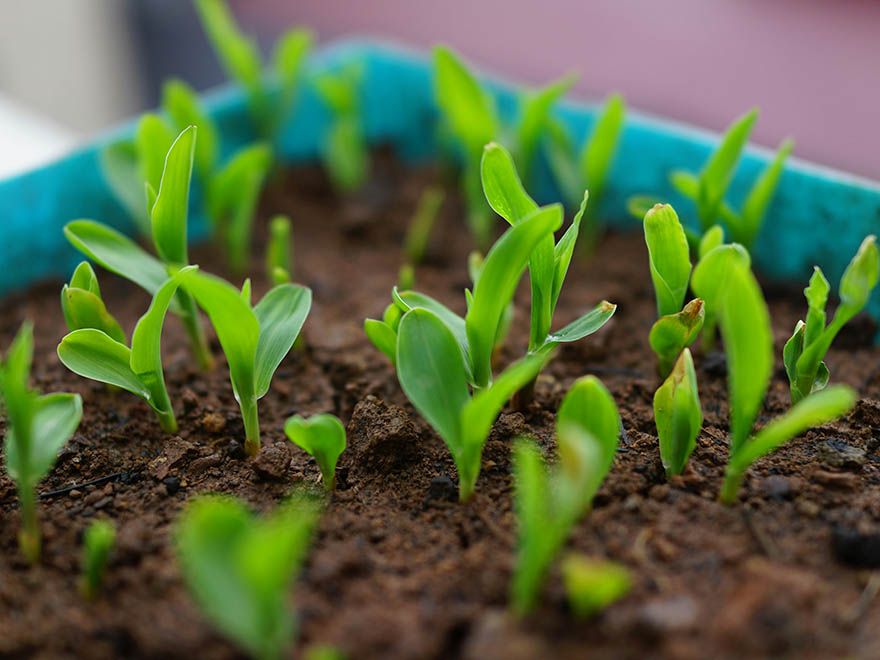
Sprouting corn kernels release cytokinins into the surrounding water. Cytokinins are the plant hormones responsible for cell division and root development. A bag of dry corn from the grocery store and 5 to 7 days of waiting give you a natural root stimulant for almost nothing.
TL;DR: Soak 1/2 cup (about 100 g) of dry corn kernels in 1 quart (1 L) of room-temperature water for 5 to 7 days. Change the water if it smells sour. When kernels show sprouts 1/2 to 3/4 inch (1 to 2 cm) long, strain the liquid. Dilute 1 part sprout water to 3 parts plain water. Use as a 24-hour seed soak or pour about 7 tablespoons (100 ml) per plant as a root drench. Use within 48 hours.
The recipe
You need:
- 1/2 cup (about 100 g) dry corn kernels (whole, untreated, from the grocery store or feed store)
- 1 quart (1 L) of room-temperature water
- A glass jar or container (at least 1 quart / 1 L)
- A fine strainer or cheesecloth
- A second container for the strained liquid
Do it:
- Pour 1/2 cup (about 100 g) of dry corn kernels into a glass jar.
- Add 1 quart (1 L) of room-temperature water. The kernels should be fully submerged with at least 2 inches of water above them (they will swell).
- Cover loosely. Do not seal airtight. The kernels need oxygen to sprout.
- Place in a warm spot away from direct sunlight. Room temperature (65 to 75 °F / 18 to 24 °C) works well.
- Check daily. If the water smells sour or starts to cloud heavily, drain and replace with fresh water. A mild earthy smell is normal. A sharp sour smell means bacteria are taking over.
- Wait 5 to 7 days. The kernels will swell, crack open, and push out small white roots and shoots. They are ready when the sprouts are 1/2 to 3/4 inch (1 to 2 cm) long.
- Strain the liquid through cheesecloth or a fine strainer into a clean container. This liquid is your concentrate.
- Discard the sprouted kernels (or compost them).
Dilute before use: Mix 1 part corn sprout water with 3 parts plain water. This is your working solution. Do not use the concentrate at full strength.
Store the diluted solution in a sealed jar away from light. Use within 48 hours. After that, the cytokinins degrade and the water starts to ferment.
How to use it
Seed soak (germination boost):
Pour the diluted solution into a shallow bowl. Place seeds in the liquid. Soak at room temperature for 24 hours. The cytokinins signal the seed embryo to begin cell division earlier than it would on its own. Remove seeds and plant immediately into moist starting mix. Do not rinse.
This is especially useful for slow-germinating seeds and older seeds with reduced viability. For fresh seeds purchased this season, the effect is smaller but still present.
Root stimulant drench (main use):
Pour about 7 tablespoons (100 ml) of the diluted solution at the base of each plant. Apply once after transplanting, and again 7 to 10 days later. The cytokinins promote cell division in root tips, encouraging a denser, more branched root system.
This drench works well alongside your regular fertilizer schedule. It does not replace nutrients. It tells the plant to build more root infrastructure to absorb those nutrients.
Which plants benefit most
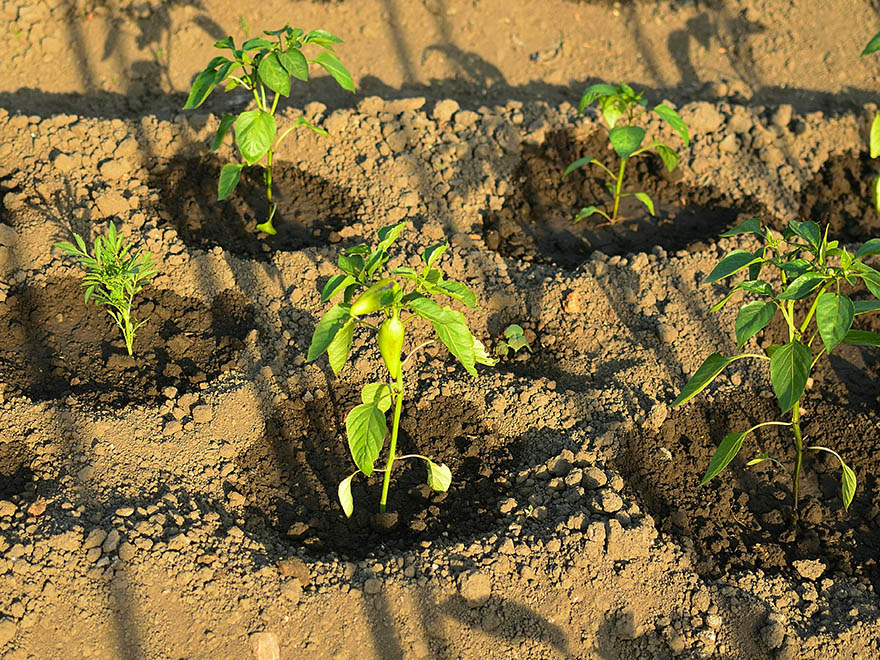
Cytokinins promote root development in any plant. But some crops respond more visibly than others.
Best results: Tomatoes and peppers after transplanting. These crops need a strong root system to support heavy fruiting later in the season. A cytokinin drench during the first 2 weeks after transplanting accelerates root establishment and reduces transplant shock.
Strong results: Cucumbers, squash, and melons. These fast-growing crops expand their root systems rapidly during vine development. A root drench during early growth helps them keep pace with the above-ground demand.
Good results (seed soak): Parsley, cilantro, and celery. These notoriously slow germinators respond well to the cytokinin signal. The 24-hour soak speeds up the transition from dormancy to active cell division.
Useful for: Newly rooted cuttings. If you are propagating from stem cuttings (tomato suckers, herbs, grape cuttings), apply a diluted drench after the first roots appear. It encourages further root branching.
Less useful for: Established plants in mid-season. Once a plant has a mature root system, additional cytokinins have diminishing returns. Save the corn sprout water for transplants, seedlings, and new cuttings.
Skip for: Pelleted or pre-treated seeds. The soak dissolves commercial coatings. Plant coated seeds dry.
Why it works
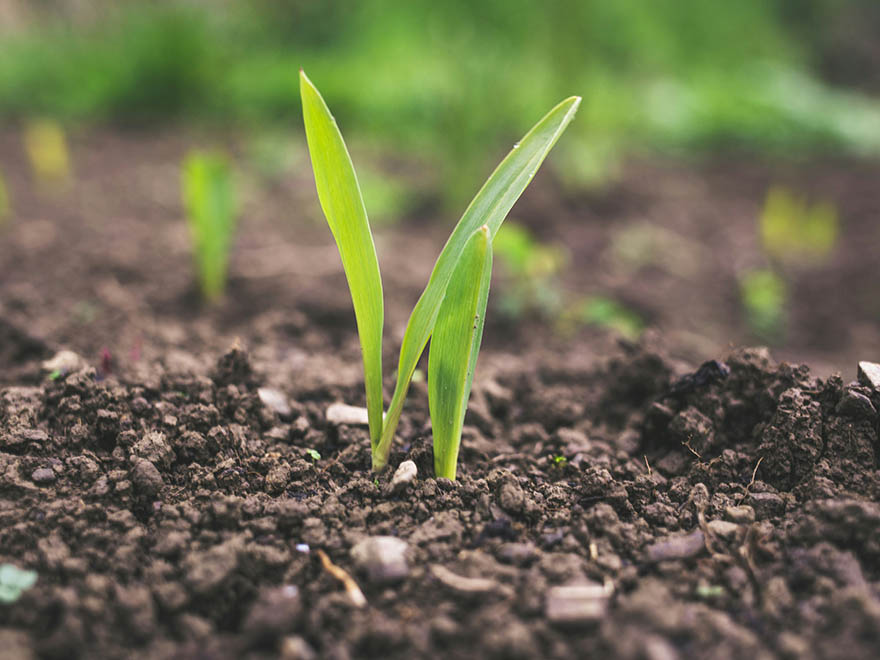
Corn (Zea mays) is one of the richest natural sources of cytokinins. The primary cytokinin in corn is zeatin. The name literally comes from the plant: zeatin was first isolated from corn kernels in 1963.
When a corn kernel sprouts, the embryo produces a surge of zeatin and related cytokinins. These hormones control cell division. They tell undifferentiated cells to divide and specialize into root tissue, shoot tissue, and vascular tissue. During the 5 to 7 day sprouting period, some of these cytokinins leach out of the kernel into the surrounding water.
Cytokinins work differently from auxins. Auxins (found in cherry branch water and aloe vera extract) control root elongation and root direction. Cytokinins control cell division. The two hormone classes complement each other. Auxins stretch roots longer. Cytokinins make roots branch more. For the strongest effect, use both: soak seeds in corn sprout water for cytokinin, then drench transplants with cherry branch water for auxin.
Commercial cytokinin products (sold as 6-BA, kinetin, or "root stimulators") contain synthetic versions of the same compounds. They cost $10 to $25 per bottle. Corn sprout water delivers the natural form for the price of a handful of kernels.
What NOT to do
Do not use the concentrate undiluted. Full-strength corn sprout water can be too concentrated for seeds and young roots. Dilute 1:3 (one part sprout water to three parts plain water) before any application.
Do not use sour or foul-smelling water. If the water turns sour despite changing it, the batch went anaerobic. Bacteria overpowered the sprouting process. Discard and start fresh with clean water and a loosely covered jar.
Do not use treated or popcorn kernels. Popcorn is a different variety bred for starch content, not germination. Treated seed corn may contain fungicides. Buy whole dry corn labeled for food or animal feed from the grocery store or feed store. It must be capable of germinating.
Do not soak seeds longer than 24 hours. Seeds need oxygen. Extended soaking in liquid deprives them of air and can cause rot. A 24-hour soak delivers enough cytokinin exposure. Pull them out and plant.
Do not store longer than 48 hours. The cytokinins in the solution degrade at room temperature. After 48 hours, the liquid becomes a fermentation medium with no hormonal value. Make fresh batches for each use.
Do not heat the water. Room temperature is the sprouting sweet spot. Warm water accelerates bacterial growth. Cold water slows sprouting. Keep the jar at 65 to 75 °F (18 to 24 °C).
FAQ
What are cytokinins and why do plants need them?
Cytokinins are plant hormones that control cell division. They tell cells when to divide and what type of tissue to become. Root tips, shoot tips, and developing fruit all depend on cytokinins. Without them, growth stalls. Sprouting corn kernels release cytokinins into the surrounding water, which is why the extract works as a root stimulant.
How is corn sprout water different from cherry branch or willow water?
Cherry and willow water contain auxins (primarily IBA). Auxins control root elongation and direction. Corn sprout water contains cytokinins (primarily zeatin). Cytokinins control cell division and root branching. They are complementary hormones. Use corn sprout water for root density and cherry branch water for root length.
Can I use any type of corn?
Use whole dry corn kernels sold for food or animal feed. Do not use popcorn or treated seed corn. The kernels must be capable of germinating. If you soak them and nothing sprouts after 7 days, the corn was either dead or treated. Try a different source.
How do I know when the corn sprout water is ready?
The kernels should show sprouts 1/2 to 3/4 inch (1 to 2 cm) long. You will see small white roots pushing out of the cracked kernel. That is the signal that cytokinins have been released into the water. Strain and use.
Can I use corn sprout water on seedlings?
Yes. Dilute 1:3 and pour a small amount (about 2 tablespoons / 30 ml) at the base of each seedling. Apply once when seedlings have at least 2 true leaves. It promotes root branching in young plants. Do not apply to freshly sown seeds in trays. Wait until seedlings are established.
Does corn sprout water replace fertilizer?
No. Cytokinins are hormones, not nutrients. They tell the plant to grow more roots, but they do not supply nitrogen, phosphorus, or potassium. Use corn sprout water alongside your regular fertilizer schedule, not instead of it.
Is there a gardening app that schedules root stimulant treatments?
Yes. The easyDacha garden planner app schedules feeding and treatment tasks by growth stage for your ZIP code. It tracks transplant dates and reminds you when root support matters most. Free 14-day trial at easydacha.com/download.
A handful of corn kernels, a week of patience, free root hormones

Commercial cytokinin products cost $10 to $25. A bag of dry corn costs $2 and gives you dozens of batches. The science is real: corn kernels are one of the richest natural sources of zeatin, the cytokinin that drives root cell division. Five to seven days of sprouting, one strain, one dilution, and you have a root stimulant that works on transplants, seedlings, and cuttings.
The easyDacha gardening app schedules transplant care and root stimulant treatments by growth stage.
Try easyDacha free for 14 days →. The garden planner app that plans your season in 60 seconds. Cancel anytime.
Related reading on easydacha.com
- How to Make Natural Auxin Water from Cherry Branches (Rooting and Seed Soak) — cherry water delivers auxins for root elongation. Corn sprout water delivers cytokinins for root branching. Use both for the fullest root stimulation.
- How to Use Ginger Extract for Seed Germination (Old Seed Revival) — another natural seed soak that works through different chemistry. Ginger delivers gingerols; corn sprouts deliver cytokinins.
- Caring for Transplanted Seedlings: First 2 Weeks Critical Care Guide — the transplant care protocol where corn sprout water fits in. Apply the root drench during the first 2 weeks after transplanting.
- Simple Fertilizer Plan for Flowering Vegetables — the full feeding schedule. Corn sprout water is a hormone supplement, not a nutrient. This plan covers the NPK your plants also need.
- How to Set Up a Worm Bin and Make Vermicompost Tea — another DIY growth stimulant. Vermicompost tea feeds soil biology; corn sprout water delivers hormones directly to roots.