
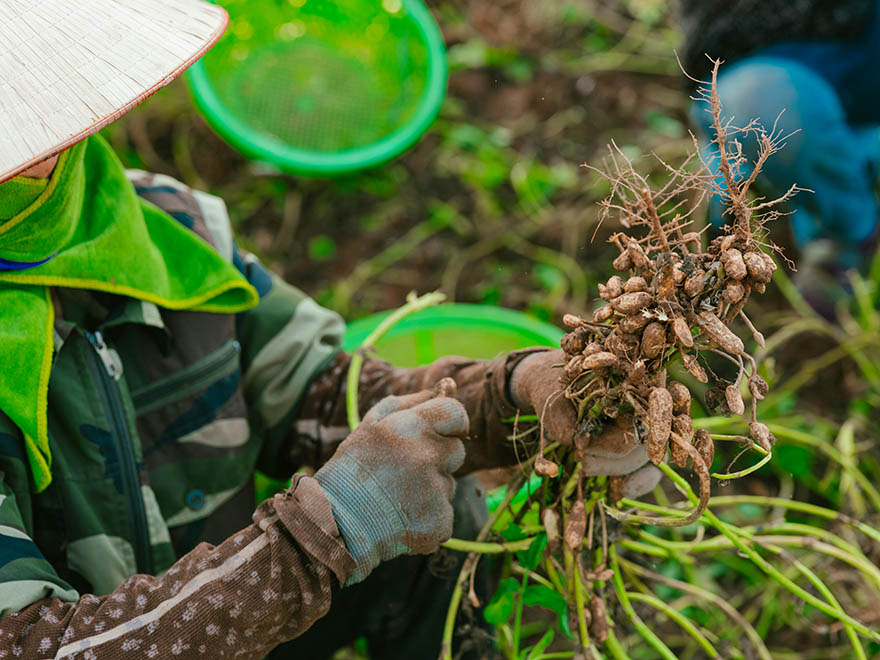
Rhizobium bacteria live inside the root nodules of legumes. They pull nitrogen from the air and convert it into a form that plants can use. This is nitrogen fixation. It is the reason beans, peas, and clover improve the soil they grow in. The catch is that Rhizobium bacteria may not be present in your soil, especially if you have never grown legumes in that spot before. Inoculation adds the bacteria directly to the seed before planting. The bacteria colonize the roots as they grow and form the nodules that fix nitrogen.
TL;DR: Method 1: mix 1 teaspoon (5 ml) Rhizobium inoculant powder plus 1 teaspoon (5 ml) sugar in about 3 tablespoons (50 ml) water. Coat seeds, plant immediately. Sunlight kills the bacteria. Method 2: scoop 2 tablespoons (30 ml) of soil from an old bean or pea patch and mix it into the planting hole. Use species-matched inoculant for your crop.
The recipes
Two methods. Use whichever fits your situation.
Method 1: Commercial inoculant paste
This is the most reliable method. You buy a species-matched inoculant powder and coat the seeds right before planting.
You need:
- 1 teaspoon (5 ml) Rhizobium inoculant powder, matched to your crop (see species matching below)
- 1 teaspoon (5 ml) sugar (white sugar or brown sugar both work)
- About 3 tablespoons (50 ml) water
- A bowl for mixing
- Your legume seeds (beans, peas, lentils, or clover)
Do it:
- Pour about 3 tablespoons (50 ml) of water into a bowl.
- Add 1 teaspoon (5 ml) of sugar. Stir until dissolved. The sugar makes the paste sticky so the inoculant adheres to the seed surface.
- Add 1 teaspoon (5 ml) of Rhizobium inoculant powder. Stir into a smooth, slightly sticky paste.
- Add your seeds to the bowl. Stir gently until every seed is coated with the paste. You should see a thin, even layer on each seed.
- Plant immediately. Do not let the coated seeds sit in sunlight. UV light kills Rhizobium bacteria within minutes. Coat the seeds, walk to the garden, and put them in the ground.
The sunlight rule is strict. Rhizobium bacteria are extremely UV-sensitive. Even 10 to 15 minutes of direct sun exposure on coated seeds kills most of the bacteria. Coat seeds indoors or in the shade, and plant right away. If you cannot plant immediately, keep coated seeds in a shaded bowl covered with a damp cloth.
Method 2: Soil from an old legume patch
If you grew beans, peas, or clover in a bed last year or the year before, the soil already contains Rhizobium. You can transfer those bacteria to a new planting area.
You need:
- 2 tablespoons (30 ml) of soil from a bed where healthy legumes grew recently
- A trowel
Do it:
- Scoop 2 tablespoons (30 ml) of soil from an established legume bed. Take it from the root zone, about 2 to 4 inches (5 to 10 cm) deep.
- Mix the soil into the planting hole or furrow where you are planting new legume seeds.
- Plant your seeds into the amended hole as normal.
When this works well: the donor bed grew healthy legumes with visible root nodules within the last 1 to 2 seasons. The Rhizobium population is highest in recently used legume beds.
When this does not work: the donor bed has not grown legumes in 3+ years. Rhizobium populations decline without a host plant. Also does not work if you are planting a different legume group (see species matching).
What Rhizobium does
Rhizobium bacteria form a symbiotic relationship with legume roots. The plant provides sugars. The bacteria provide nitrogen. Neither can fix nitrogen alone. Together, they convert atmospheric nitrogen (N2) into ammonium (NH4+), which the plant absorbs through its roots.
You can see this relationship with your own eyes. Pull up a healthy bean plant and look at the roots. The small bumps on the roots are nodules. Inside each nodule, millions of Rhizobium bacteria are converting nitrogen gas into plant food. If you slice a nodule open and see pink or red inside, the bacteria are actively fixing nitrogen. White or green nodules are inactive.
A well-inoculated legume crop fixes 50 to 200 pounds of nitrogen per acre over a growing season. That nitrogen stays in the soil after the crop is done. It feeds the next crop you plant in that spot. This is why crop rotation with legumes is one of the oldest soil-building techniques.
Species matching matters
Not all Rhizobium bacteria are the same. Different legume groups need different Rhizobium species. Using the wrong inoculant means the bacteria cannot form nodules on your crop's roots.
Common garden legumes and their Rhizobium groups:
- Beans (bush beans, pole beans, kidney beans, lima beans): Rhizobium phaseoli or Rhizobium leguminosarum bv. phaseoli. Often labeled "garden bean inoculant."
- Peas and lentils: Rhizobium leguminosarum bv. viciae. Peas and lentils share the same Rhizobium group, so one inoculant covers both.
- Soybeans: Bradyrhizobium japonicum. Soybeans need their own specific inoculant. Bean or pea inoculant will not work.
- Clover and alfalfa: Rhizobium trifolii (clover) or Sinorhizobium meliloti (alfalfa). Cover crop inoculants are usually sold as "clover/alfalfa mix."
Check the label. Every commercial Rhizobium inoculant states which crops it covers. Match the inoculant to your seed. If you are planting beans and peas in the same season, you may need two different inoculant products.
For Method 2 (soil transfer): the soil must come from a bed that grew the same legume group. Soil from an old bean bed works for new beans. It does not work for peas, lentils, or soybeans. The Rhizobium species in the soil is specific to the host plant that grew there.
When and why to inoculate
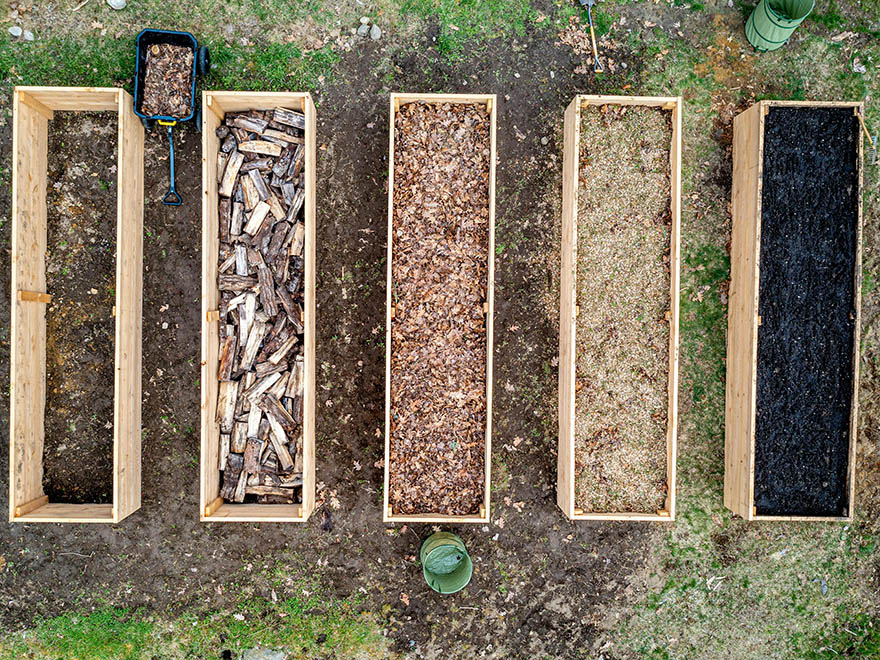
First-time legume beds: if you have never grown beans or peas in a particular bed, the native Rhizobium population is likely low or absent. Inoculation gives the crop a strong start.
New garden soil or raised beds: purchased soil, raised bed mixes, and heavily amended soils often lack Rhizobium. Inoculate every time you plant legumes in these conditions.
After a long gap: if legumes have not grown in a bed for 3 or more years, the Rhizobium population has declined. Re-inoculate.
Every year vs. skip years: once established, Rhizobium can persist in the soil for 2 to 3 years without a host plant. If you grow beans in the same bed every other year, you may not need to inoculate after the first season. If in doubt, inoculate anyway. It costs a few dollars and takes 5 minutes.
Established beds with annual legume rotation: if you grow beans or peas in the same spot every year and see healthy nodules on the roots at season's end, the Rhizobium population is established. You can skip inoculation, but there is no harm in doing it.
What NOT to do
Don't expose coated seeds to sunlight. UV kills Rhizobium within minutes. Coat seeds indoors or in shade. Plant immediately. This is the #1 cause of inoculation failure.
Don't use the wrong inoculant species. Bean inoculant does not work on peas. Pea inoculant does not work on soybeans. Match the product to the crop. Check the label.
Don't mix inoculant with fertilizer. High-nitrogen fertilizer applied at planting time signals the plant that nitrogen is already available. The plant reduces nodule formation because it does not need to invest in the symbiosis. Apply nitrogen fertilizer to other crops, not to legumes.
Don't store opened inoculant in heat or light. Rhizobium bacteria are alive. Store opened packets in a cool, dark place. Refrigeration extends shelf life. Most commercial inoculants have a shelf life of 6 to 12 months from manufacture. Check the expiration date.
Don't expect instant visible results. Nodule formation takes 2 to 4 weeks after planting. You will not see nodules until the plant is well established. Pull up a test plant after 4 to 6 weeks and check the roots to confirm.
How to check if inoculation worked
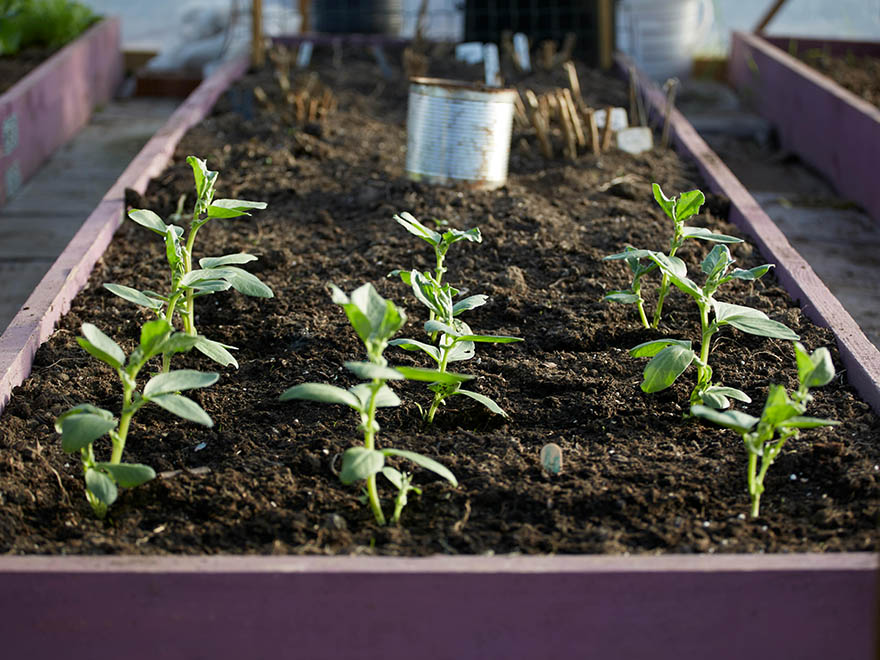
Four to six weeks after planting, gently pull up one legume plant (sacrifice a border plant, not one from the middle of the row).
Look at the roots. You should see small, round or oval bumps along the root system. Those are nodules.
Slice one open with a knife. If the inside is pink or red, the bacteria are actively fixing nitrogen. That pink color comes from leghemoglobin, a protein similar to the hemoglobin in your blood. It protects the nitrogen-fixing enzyme from oxygen damage.
If the nodules are white or green inside, they are not active. This can mean the bacteria are the wrong species, the soil is too acidic, or nitrogen fertilizer is suppressing the symbiosis.
No nodules at all means the inoculation did not take. Try again next season with fresh inoculant, and check that your soil pH is between 6.0 and 7.0 for optimal Rhizobium activity.
FAQ
Do I need to inoculate bean seeds before planting?
If you have never grown legumes in that spot, yes. Native Rhizobium populations may be absent. Inoculation adds the nitrogen-fixing bacteria directly to the seed, ensuring nodules form on the roots. It costs a few dollars and takes 5 minutes. If the bed has grown beans recently and you saw healthy root nodules, you can skip it.
How do I know if my inoculant is species-matched?
Check the product label. Every Rhizobium inoculant lists the crops it covers. Beans need Rhizobium phaseoli. Peas and lentils need R. leguminosarum bv. viciae. Soybeans need Bradyrhizobium japonicum. Using the wrong species means no nodule formation. Bean and pea inoculants are not interchangeable.
Can I use soil from my old bean bed instead of buying inoculant?
Yes, if the bed grew healthy legumes within the last 1 to 2 seasons. Scoop 2 tablespoons (30 ml) from the root zone and mix into the new planting hole. The soil must come from the same legume group. Bean-bed soil works for beans but not for peas, lentils, or soybeans.
Why does sunlight kill Rhizobium on coated seeds?
Rhizobium bacteria are extremely UV-sensitive. Direct sunlight destroys the bacteria within 10 to 15 minutes. Always coat seeds indoors or in shade and plant immediately. If you need to wait, cover coated seeds with a damp cloth in a shaded spot.
How long does Rhizobium inoculant last in storage?
Most commercial inoculants have a shelf life of 6 to 12 months from manufacture. Store in a cool, dark place. Refrigeration extends viability. Check the expiration date on the packet. Once opened, use within the season. Do not store opened inoculant in heat or direct light.
Do I need to inoculate bean seeds every year?
Not necessarily. Once established, Rhizobium persists in the soil for 2 to 3 years without a host plant. If you rotate legumes through a bed every year or every other year and see healthy pink nodules on the roots, the population is self-sustaining. Re-inoculate after gaps of 3 or more years.
Is there a gardening app that schedules planting tasks?
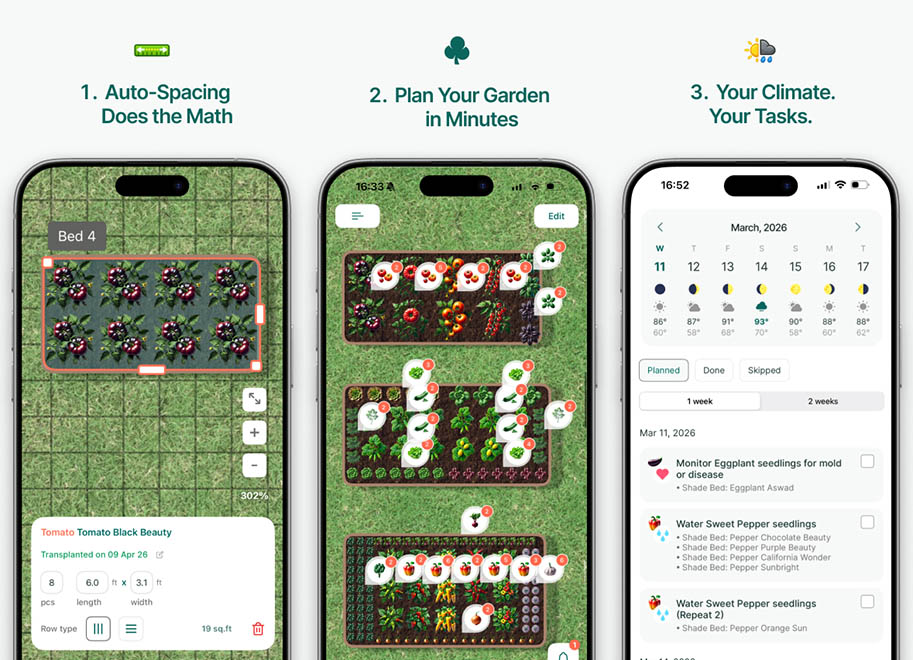
Yes. The easyDacha garden planner app builds a personalized planting calendar for your ZIP code, including when to plant beans and peas. Try the App at easydacha.com/download.
Free nitrogen, right from the air
A teaspoon of powder and 5 minutes of work. That is all it takes to turn every bean and pea plant in your garden into a nitrogen factory. The nitrogen stays in the soil and feeds whatever you plant next.
The easyDacha gardening app schedules feeding tasks by growth stage. Seedling, vegetative, flowering, fruiting. Each task lands on the right day so you feed at the right moment.
Try easyDacha →. The garden planner app that plans your season in 60 seconds. Cancel anytime.
Related reading on easydacha.com
- Why You Shouldn't Plant Tomatoes in the Same Spot as Last Year — crop rotation basics, including how legumes fit the rotation cycle.
- Soil Acidity (pH): What It Is and How to Change It — Rhizobium works best at pH 6.0 to 7.0. Check your soil first.
- Companion Planting Guide: Double Your Harvest Naturally — which plants benefit from growing next to nitrogen-fixing legumes.
- Simple Fertilizer Plan for Flowering Vegetables — how legume nitrogen fits into your overall feeding schedule.