
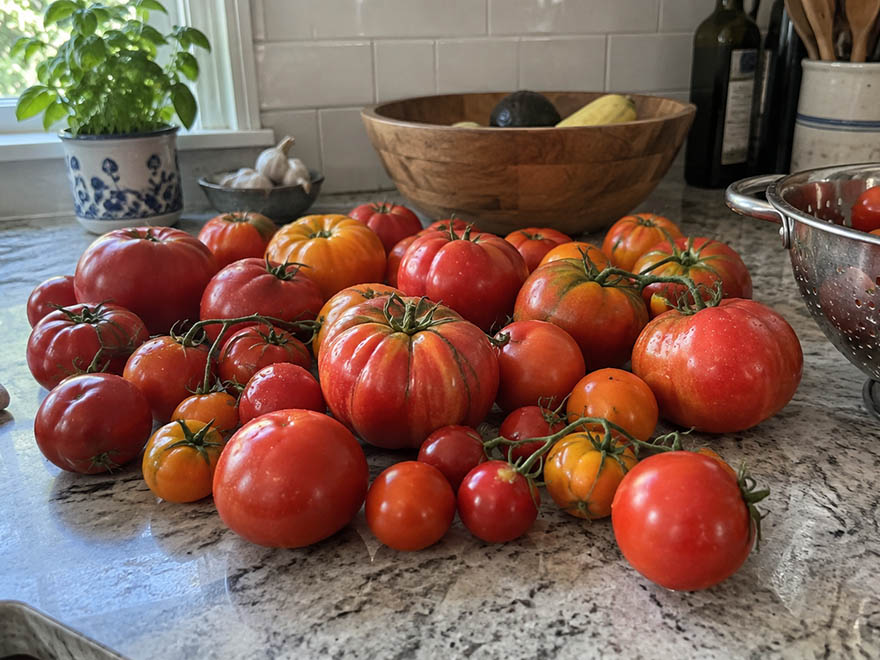
You have two dozen ripe tomatoes on the counter and more turning red on the vine every day. You cannot eat them fast enough, and half will soften before you get to them. Figuring out what to do with too many tomatoes is the difference between a full freezer and a compost bin of waste. The good news: the fastest method takes about five minutes and no cooking at all.
TL;DR: The easiest thing to do with too many tomatoes is freeze them whole in a bag with no prep, then roast, can, or sauce them later. For long shelf-stable storage, can them with added acid for safety.
What to do with too many tomatoes: the fastest fix
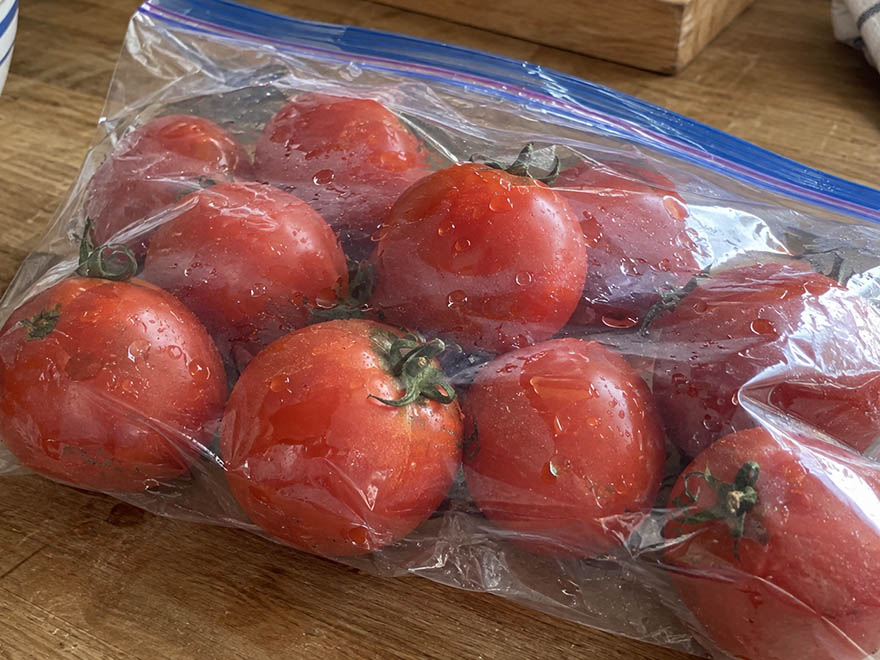
Freezing tomatoes whole is the quickest way to save a glut with zero cooking. Wash the tomatoes, dry them, and pack them whole into freezer bags. Push out the air, seal, and freeze. That is the entire process.
Frozen tomatoes are only good for cooking later, not for fresh salads, since freezing softens the flesh. The skins slip right off under warm water once thawed. Drop the frozen fruit straight into soups, sauces, and stews all winter. This method alone clears most of a tomato glut in minutes.
Four more ways to preserve a tomato glut
Once the freezer bag is full, pick the method that fits your time. Each one handles a large batch of fruit.
1. Roast and freeze
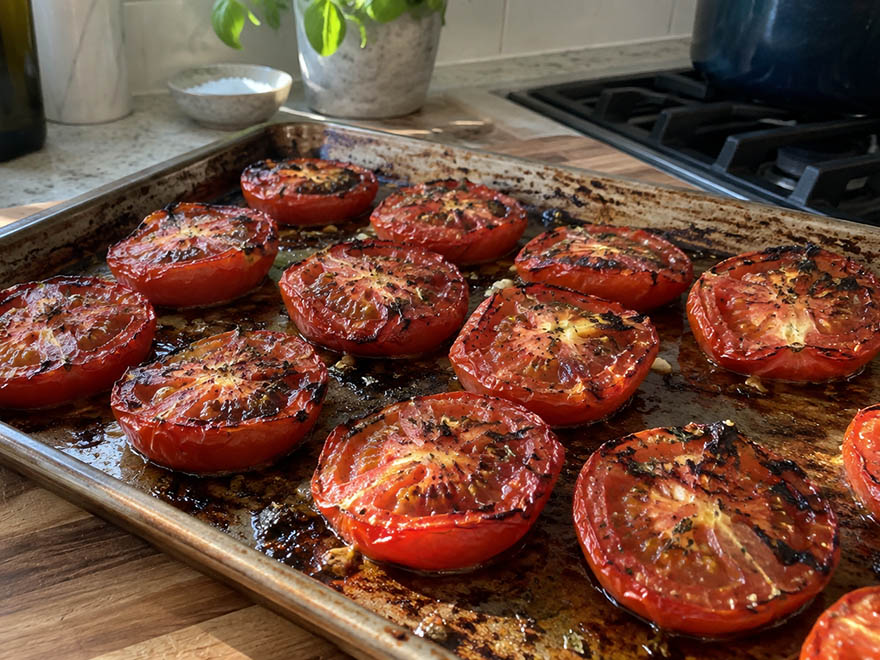
Roasting concentrates flavor and shrinks volume, so a full sheet pan of tomatoes becomes two cups of rich sauce base. Halve the tomatoes, toss with a little oil, and roast at 400°F (200°C) until soft and slightly charred, about 40 minutes. Cool, then freeze in portions. This is the best-tasting way to preserve a tomato glut.
2. Cook down into sauce
Simmer tomatoes into a basic sauce, then freeze it flat in bags. Freezing sauce is simpler and safer for a first-timer than canning, because it skips the acid and processing rules. Label each bag with the date.
3. Can them safely with added acid
Canning tomatoes safely requires added acid, and this step is not optional. Ripe tomatoes sit right at the edge of safe acidity, so canning without acid risks botulism. Add 2 tablespoons (30 ml) of bottled lemon juice or ½ teaspoon of citric acid per quart jar. For pint jars, use 1 tablespoon (15 ml) of bottled lemon juice or ¼ teaspoon of citric acid.
Use bottled lemon juice, not fresh, because bottled has a consistent acid level. Add the acid directly to the jar before filling. Whole or crushed tomatoes in jars keep on the shelf for a year or more when processed by a tested recipe from a trusted source.
4. Dry them
A dehydrator or a low oven turns tomatoes into chewy, concentrated bites. Halve small tomatoes, lay them cut-side up, and dry at 135°F (57°C) until leathery. Store dried tomatoes in an airtight jar. They rehydrate in warm water or go straight into pasta and grain dishes.
Why freezing beats canning for most gardeners
Freezing wins for a first-time preserver because it is fast, safe, and forgiving. There is no acid to measure, no processing time to track, and no botulism risk. You trade freezer space for peace of mind.
Canning tomatoes safely is worth learning once your freezer fills up, since jars store on a shelf for a year. But it demands exact acid amounts and a tested recipe. Start with the freezer this season and add canning next year if the glut repeats. That staged approach matches the way most home gardens grow into bigger harvests, a pattern our vegetable gardening for beginners guide walks through.
Share the surplus
A tomato glut is a gift, so pass some along. Neighbors, coworkers, food pantries, and local shelters all welcome fresh garden produce. Pick the fruit slightly firm for travel, and it will ripen on their counter.
Sharing also clears counter space and keeps fruit from rotting before you can process it. Give away what you cannot freeze or can this week. A basket of homegrown tomatoes is one of the easiest ways to brighten someone's day.
What NOT to do
Do not can tomatoes without added acid. Ripe tomatoes are not acidic enough on their own, and skipping acid risks botulism. Always add bottled lemon juice or citric acid.
Do not freeze tomatoes for fresh eating. Thawed tomatoes turn soft and watery. Freeze them for cooking only.
Do not let ripe fruit pile up on the counter. Tomatoes soften fast at room temperature. Freeze or process within a few days.
Do not refrigerate tomatoes you plan to eat fresh. Cold ruins the texture and flavor of a fresh tomato. Only chill fruit that is already cut or overripe.
Best for which situations
Match the method to your harvest and time:
- A daily trickle of ripe fruit: freeze whole as they come in, then process the full bag later.
- One big weekend haul: roast a few sheet pans and freeze, or cook down a large pot of sauce.
- A pantry-stocking goal: can with added acid using a tested recipe for shelf-stable jars.
- Cherry and grape tomatoes: dry them, since they hold shape and sweeten as they shrink.
Got other summer gluts too? The same freeze-first logic covers a cucumber pile, and our too many cucumbers guide walks through it. For what to do with too much zucchini, shred and freeze it in measured cups for winter baking. And to use up an excess basil harvest, blend the leaves with oil. Freeze the puree in an ice cube tray for instant pesto base.
When your plants keep overproducing
If the flood of fruit never stops, that is a good problem, and a little planning smooths it out. Stagger your plantings next season so harvests spread over more weeks instead of all at once. Keep feeding balanced, since our simple fertilizer plan for flowering vegetables shows how steady feeding keeps fruit set even. And if some plants stopped setting fruit in the heat while others buried you, read why tomato flowers fall off.
Planning the harvest window is where a schedule helps most. easyDacha builds a task list from your ZIP code and your beds. The garden planner app flags when each tomato variety will flood in. It reminds you to prep freezer space ahead of the peak. Download and try easyDacha. Growing from seed next year? See how to grow tomatoes from seed.

FAQ
What is the easiest thing to do with too many tomatoes?
Freeze them whole. Wash, dry, and pack them into freezer bags with the air pushed out, then freeze. No peeling or cooking needed. The skins slip off after thawing, and the fruit drops straight into soups and sauces later.
Can you freeze tomatoes whole without blanching?
Yes. Freezing tomatoes whole needs no blanching or peeling. Just wash, dry, bag, and freeze. Freezing breaks down the cell walls, so the skins loosen and slide off under warm water when you thaw them. Use them for cooking, not fresh eating.
How do you can tomatoes safely?
Canning tomatoes safely means adding acid to every jar. Use 2 tablespoons of bottled lemon juice or ½ teaspoon of citric acid per quart, or half that per pint. Ripe tomatoes are only marginally acidic, so the added acid prevents botulism. Always follow a tested recipe.
What do I do with too much zucchini and basil at the same time?
Shred zucchini and freeze it in measured cups for winter baking, which is the simplest fix for too much zucchini. For an excess basil harvest, blend the leaves with oil and freeze the puree in cube trays. Both methods take minutes and store for months.
Is there an app that tells me when my tomatoes will be ready?
Yes. easyDacha is a garden planner app that tracks each variety's timing from your ZIP code and beds. The gardening app builds a task list. You will know when a tomato glut is coming and can clear freezer space before the peak hits.
How long do frozen tomatoes last?
Whole or cooked tomatoes keep their quality in the freezer for about 8 to 12 months in a sealed, airtight bag. They stay safe longer, but texture and flavor slowly fade. Label each bag with the date and use the oldest first.