
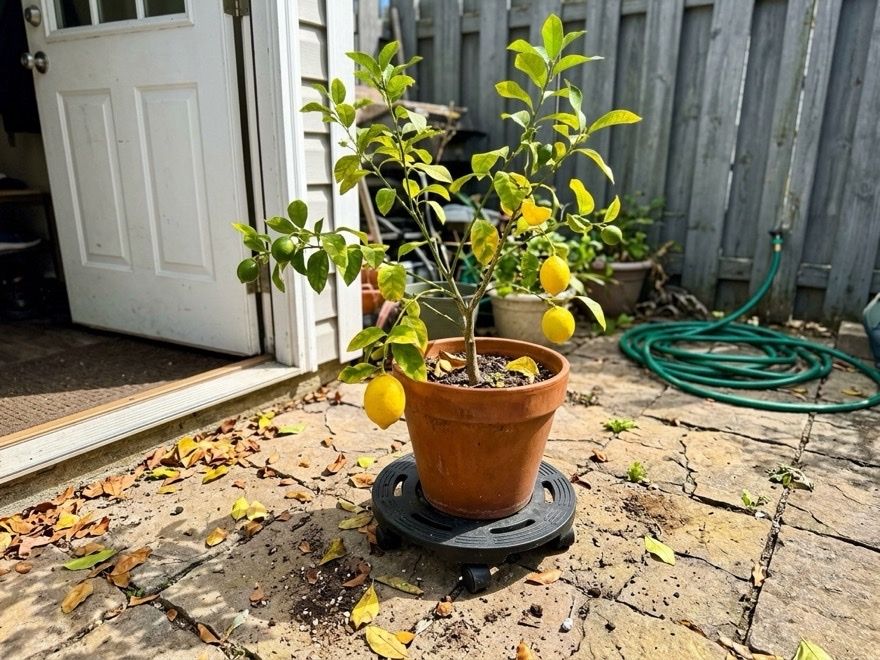
Your potted lemon spent the summer on the patio, flowering and setting fruit. Now the nights are dropping into the 40s, and you are not sure if it can stay out one more week. Waiting too long can cost you the leaves, the fruit, or the whole tree. Knowing when to bring citrus indoors before frost is simple once you know your tree's cold limit. Herbs and roses need their own quick plan too.
TL;DR: Bring potted lemons and limes indoors when nights fall into the low 40s°F (about 5°C), and always before the first frost. Hardier satsumas and kumquats can wait a bit longer, but potted roots still freeze first.
When to bring citrus indoors before frost
Move potted citrus in when nighttime lows start dropping into the low 40s°F (about 5°C). Do not wait for the first frost warning. Moving earlier gives the tree time to adjust.
Citrus types differ a lot in cold tolerance. University extension rankings put them in this order, from hardiest to most tender:
- Satsuma mandarin
- Kumquat
- Sour orange
- Tangerine and other mandarins
- Sweet orange
- Grapefruit
- Lemon
- Lime
Lemons and limes sit at the bottom of the list. They need to come in first. Mature satsumas and kumquats planted in the ground can handle brief dips well below freezing. A tree in a pot is a different story, because its roots sit above ground with no soil insulation. Roots in a container freeze long before the canopy shows damage.
In USDA zone 9 and zone 10, many gardeners leave citrus outside all year and cover it on the rare cold night. Fall is also prime vegetable season there, as our list of what to plant in Florida in fall shows. In zone 8 and colder, potted citrus should spend winter indoors.
How to move citrus inside without leaf drop
Citrus hates sudden change. A tree that goes from full sun to a dim living room in one day often drops leaves.
- Start the move 1 to 2 weeks early. Shift the pot into partial shade outside for a few days first.
- Check for pests. Look under leaves for scale, mealybugs, and spider mites. Rinse the foliage with a hose before bringing it in. If you find mites, our guide to getting rid of spider mites naturally helps.
- Pick the brightest window. A south-facing window is best. Supplemental grow light helps in dark homes.
- Keep it cool, not hot. Indoor temperatures around 55 to 75°F (13 to 24°C) suit citrus. Keep it away from heating vents.
For a step-by-step move with pot choice, see our guide on how to move garden plants indoors.
Overwintering a potted lemon tree indoors
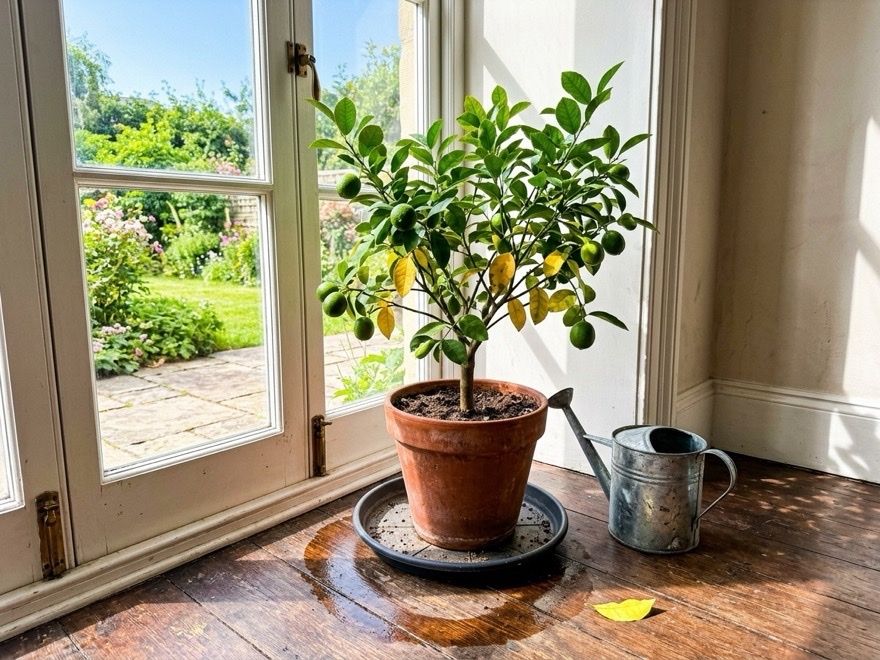
Water less in winter. Wait until the top inch (2.5 cm) of soil is dry, then water until it drains. Soggy soil in a cool room rots roots fast. Overwatering is one of the top reasons in our list of why container plants keep dying.
Some leaf drop in the first weeks is normal. New leaves adapted to lower light usually follow. Keep fruit on the tree. Many lemons keep ripening slowly indoors.
In spring, reverse the process. Move the tree out once nights stay above 50°F (10°C). Start in shade and increase sun over a week or two to avoid leaf scorch.
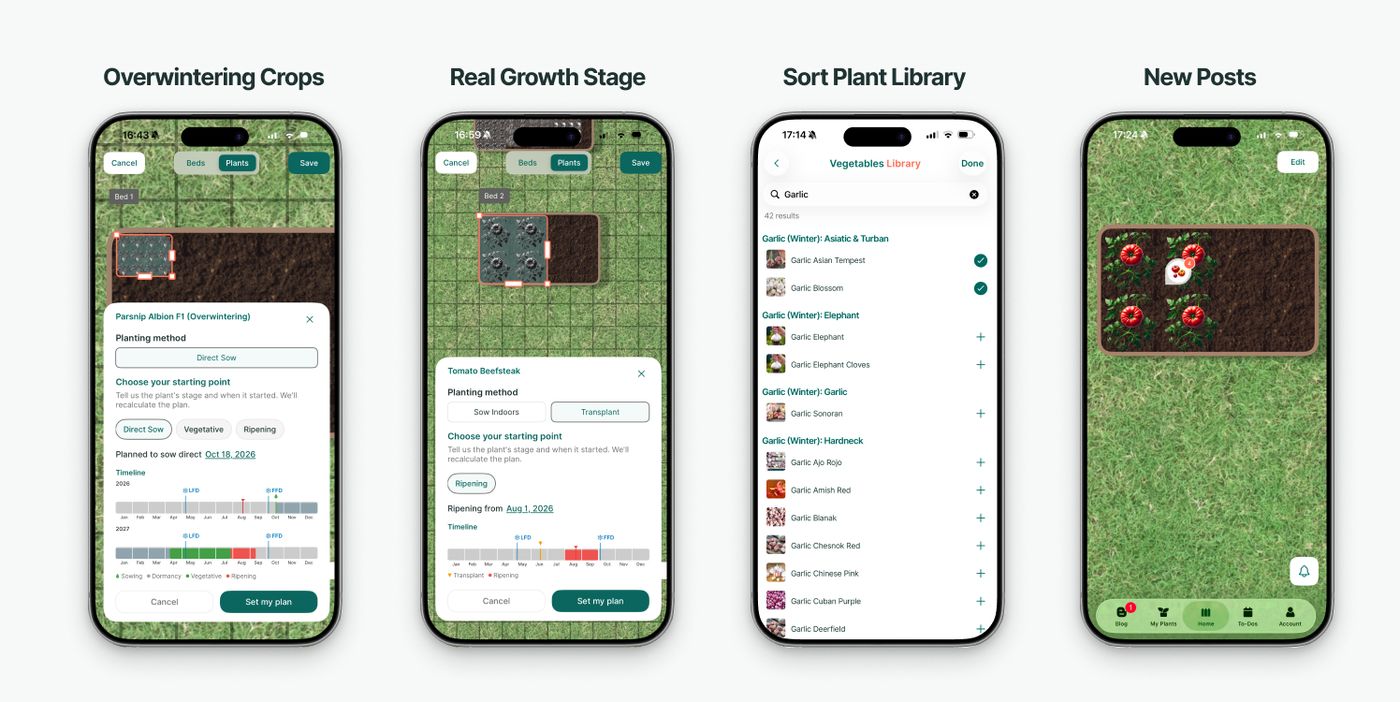
The hard part is not moving the pot. It is noticing the right week. easyDacha calculates your local first frost date from your ZIP code. Add your citrus as a custom plant, and it gets its own care plan and task list. Protection steps show up on your two-week list ahead of frost, next to your vegetable tasks. Try easyDacha →
How to protect plants from frost overnight
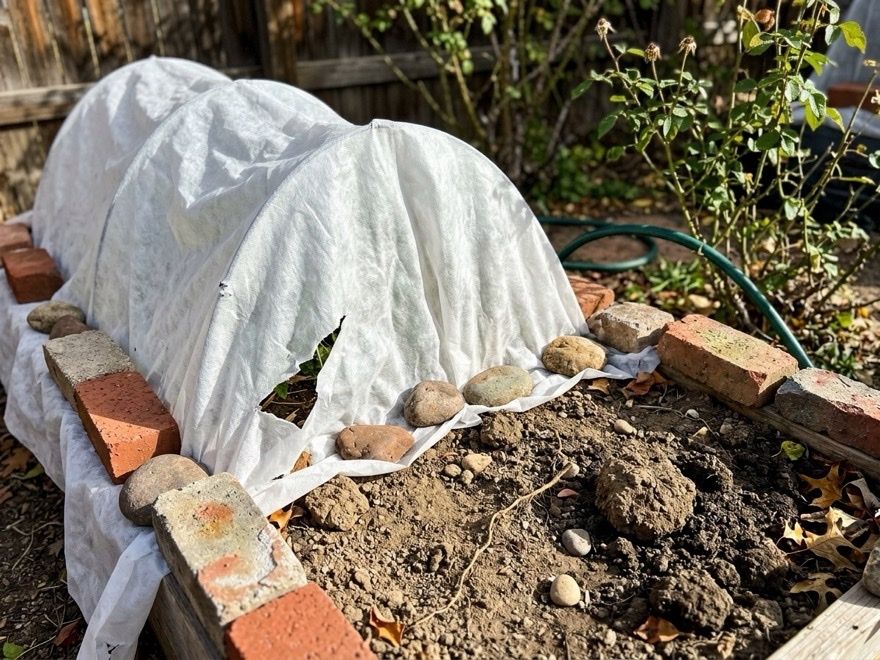
For plants that stay outside, a cover can get them through a light frost.
- Water the soil during the day. Moist soil holds and releases more heat overnight than dry soil.
- Cover before sunset. Use frost cloth, row cover, or old bedsheets. Let the cover reach the ground so it traps heat rising from the soil.
- Use hoops or stakes. An air gap between plant and fabric adds protection.
- Skip plastic touching leaves. Plastic transfers cold straight to the foliage.
- Uncover in the morning. Remove covers once temperatures rise above freezing.
University testing shows heavier frost fabric protects better than light cloth. Covers help through a light frost. Below about 28°F (-2°C), they are usually not enough.
Frost protection for roses and herbs
Herbs. Basil is the most tender herb in most gardens. It gets damaged below 40°F (4°C), so harvest it or bring it in early. You can also start basil indoors for fresh winter leaves. Rosemary survives winter outdoors in zone 7 and warmer. In colder zones, pot it up and move it inside. Parsley, chives, thyme, and sage handle light frost well. Our walkthrough of moving basil, rosemary, and parsley indoors for winter shows the full process.
Roses. Most garden roses are hardy and do not need to come in. Help them prepare for winter:
- Stop fertilizing about six weeks before your first frost date.
- Stop deadheading in fall so plants slow down.
- In zone 6 and colder, mound 10 to 12 inches (25 to 30 cm) of soil or mulch around the base after the ground starts to freeze.
- Potted roses in cold zones can go into an unheated garage.
What NOT to do
Do not wait for the first frost warning. Potted citrus roots can be damaged before the leaves show it.
Do not move citrus straight from sun to shade. Sudden light change causes heavy leaf drop.
Do not overwater indoor citrus. Cool rooms plus wet soil lead to root rot.
Do not leave covers on all day. Plants overheat under fabric in sunshine.
Beat the First Frost This Year
Frost damage usually comes from missing the right week, not from bad care. easyDacha, the garden planner app built for your ZIP code, puts protection and harvest tasks on your list before cold nights arrive. Open it and the next two weeks are ready.
FAQ
When should I bring citrus indoors before frost?
When nighttime lows drop into the low 40s°F (about 5°C), and always before the first frost. Lemons and limes should come in first. Knowing when to bring citrus indoors before frost prevents root damage in pots.
What temperature is too cold for a potted lemon tree?
Lemons are among the least cold-tolerant citrus. Fruit and leaves can be damaged near freezing. Potted roots are even more exposed, so move lemons in before temperatures reach 32°F (0°C).
How do I protect plants from frost overnight?
Water the soil during the day, cover plants with frost cloth or sheets before sunset, and let the fabric reach the ground. Remove the covers in the morning.
Why is my citrus dropping leaves after moving inside?
Leaf drop is a reaction to lower light and sudden change. Acclimate the tree over 1 to 2 weeks and give it your brightest window. New leaves usually follow.
Do roses need frost protection?
Most garden roses are hardy. In zone 6 and colder, mound soil or mulch around the base once the ground starts to freeze. Stop fertilizing about six weeks before your first frost.
Is there an app that reminds me when to protect plants from frost?
easyDacha is a gardening app that sets dates from your ZIP code's local frost dates. Add custom plants like citrus, and protection tasks appear on your two-week task list.