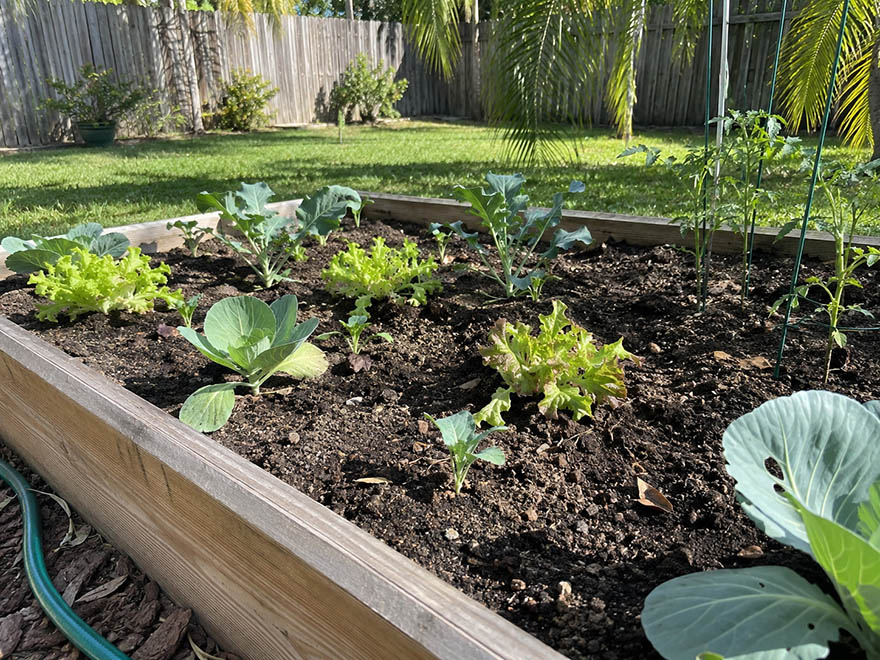
Your summer garden probably looks tired right now. The tomatoes stopped setting fruit weeks ago and the leaves are chewed. In Florida, that is normal, and it is not the end of your season. Fall is the start of it. This guide covers what to plant in Florida in fall, by region and USDA zone, so you plant the right crops at the right time.
TL;DR: What to plant in Florida in fall depends on your region. In zone 9 and zone 10 you can set out tomatoes and peppers in September, then plant broccoli, cabbage, and lettuce in October.
What to Plant in Florida in Fall, Region by Region
Knowing when to plant vegetables in Florida starts with one fact. The state is really three planting regions, and the calendar for each is different. UF/IFAS splits the state by two roads. North Florida is everything above State Road 40. Central Florida sits between State Road 40 and State Road 70. South Florida is everything below State Road 70. North Florida runs roughly USDA zone 8 and zone 9. Central Florida is around USDA zone 9. South Florida is USDA zone 10 and warmer.
Here is what goes in the ground now.
North Florida (USDA zone 8, zone 9), September:
- Set out transplants: broccoli, cabbage, cauliflower, Brussels sprouts, collards, kale, lettuce, endive, kohlrabi, Chinese cabbage, beets, and strawberry.
- Handle with care: celery, mustard, and spinach.
- Direct sow seeds: carrots, radish, turnips, bush and pole beans, squash, and bunching onions.
Central Florida (USDA zone 9), September:
- Set out transplants: tomatoes, peppers, eggplant, collards, kale, lettuce, endive, Chinese cabbage, and tropical spinaches.
- Direct sow seeds: beans, cucumbers, squash, carrots, radish, and turnips.
South Florida (USDA zone 10), September:
- Set out transplants: tomatoes, tomatillo, peppers, eggplant, collards, kale, lettuce, and Chinese cabbage.
- Direct sow seeds: beans, cucumbers, squash, okra, southern peas, carrots, radish, and turnips.
By October and November, all three regions lean hard into cool-season vegetables. That is when broccoli, cabbage, cauliflower, Brussels sprouts, kale, collards, lettuce, carrots, and radish do their best work statewide. South Florida keeps its warm-season window open longest, so you can still start tomatoes, peppers, beans, and cucumbers there well into fall.
Download the easyDacha app to get a care plan for your climate zone.
How to Start Your Fall Bed, Step by Step
1. Clear out summer completely. If the bed grew spring and summer crops, pull every dead or diseased plant, including the roots. Old foliage carries the pests and diseases you fought all summer.
2. Retest your soil. Check pH and see what nutrients the bed needs before you plant. If your numbers drifted over the summer, our guide to soil acidity and how to change it walks through the fix.
3. Add organic matter. Till the bed a few weeks before planting, then work in compost or composted cow manure. This resets tired soil for a fresh crop.
4. Confirm sun and water. Pick a spot that gets at least six hours of direct sun and sits near a water source. The sun angle shifts in fall. If you are not sure how light falls on your yard, our garden sun mapping guide shows how to check.
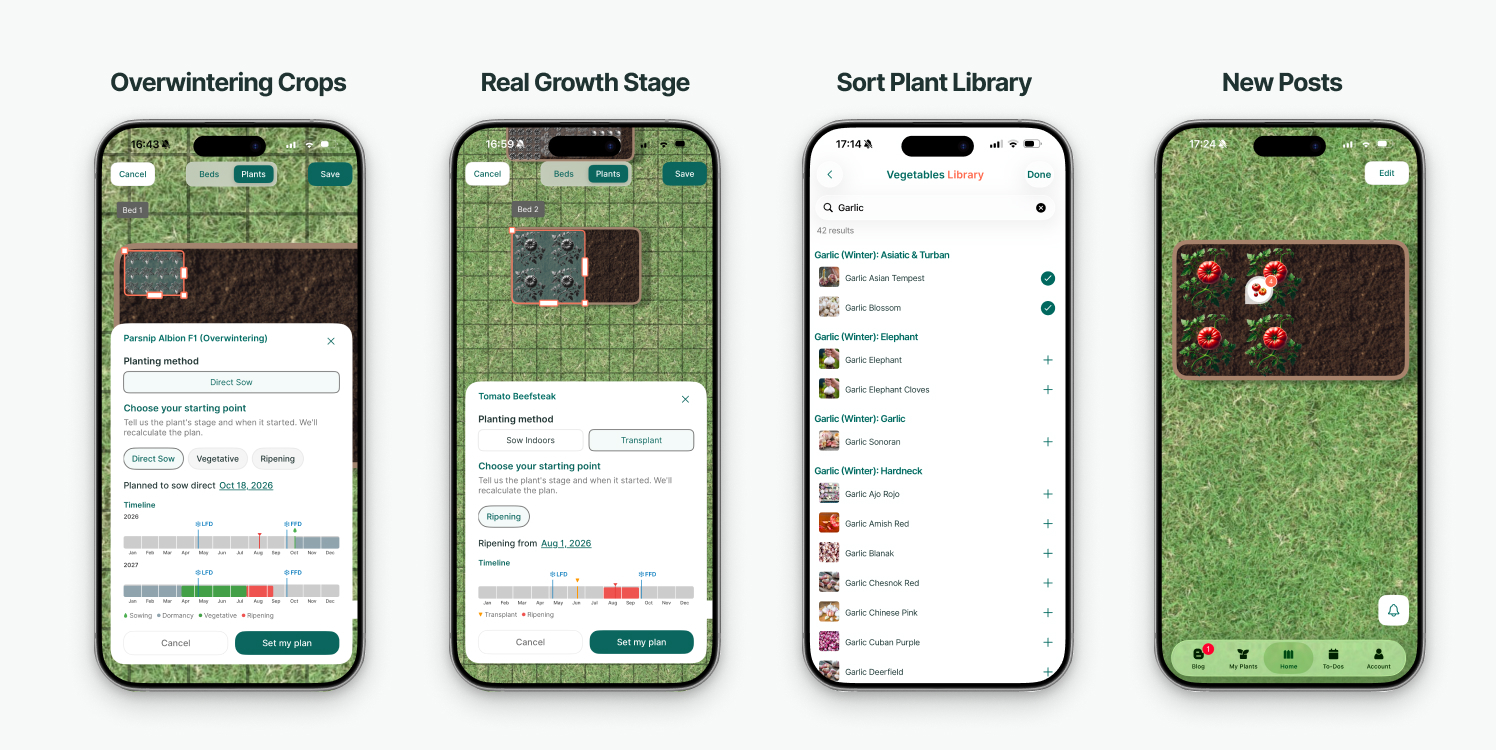
5. Plant on your region's date, not a national one. A May date for tomatoes is right for a northern garden and wrong for yours. Your planting dates depend on your ZIP code and local frost dates. A good garden planner app like easyDacha calculates those dates for you. It drops each planting, feeding, and harvest task onto a two-week task list, so you know what to do next.
Why Fall Is the Real Season in Florida
Summer in Florida is the hard season, not fall. Heat, humidity, and storms push pests and fungal disease to their peak. Warm-season crops planted in deep August heat struggle, and cool-season crops will not form heads.
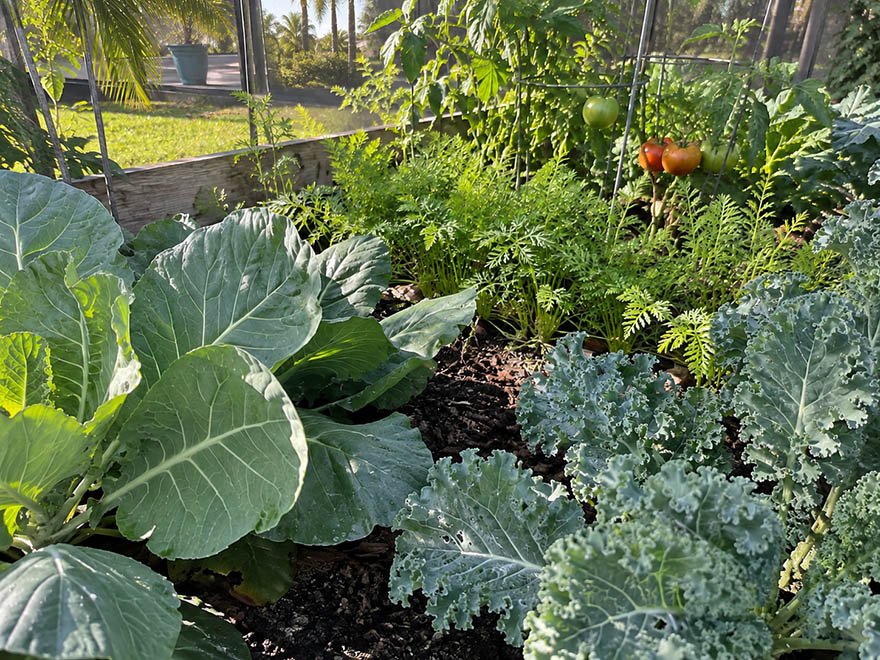
Fall flips that. As nights cool, cool-season vegetables like broccoli, lettuce, and carrots finally get the conditions they need. The two warmest regions also get a second warm-season window. You can start a fresh round of tomatoes and peppers that miss the worst summer pressure. That is why fall is the best time to start a vegetable garden in most of the state.
Watch the Heat and the First Frost
Two things can still bite you, one at each end of fall.
Early on, September transplants go into hot, buggy conditions. Warm-season crops planted in late summer face the most heat stress and insects. Give young plants shade in the hottest afternoons and scout for pests early. Our guide on how to protect plants in a heat wave covers fast fixes for September transplants.
Late in the season, frost is the other risk, and it depends on your zone. North Florida in zone 8 and zone 9 can get a light frost by late fall or early winter. That frost ends tender crops like tomatoes and peppers. Central Florida in zone 9 sees frost less often. South Florida in zone 10 is essentially frost-free, which is why it grows tomatoes right through winter. Keep row covers on hand in the northern half of the state.
What NOT to Do
- Do not copy a northern planting calendar. A schedule built for zone 5 or zone 6 says plant in spring and rest in fall. In Florida, that is backward.
- Do not plant heat-lovers too late in the north. Tomatoes and peppers set out too late in North Florida will not beat the first frost.
- Do not replant into unclean beds. Old summer roots and foliage hand this fall's crop last summer's pests and disease.
- Do not skip the soil test. Guessing at pH and nutrients wastes a cool season you cannot get back.
Best Crops for a Florida Fall (and What to Skip)
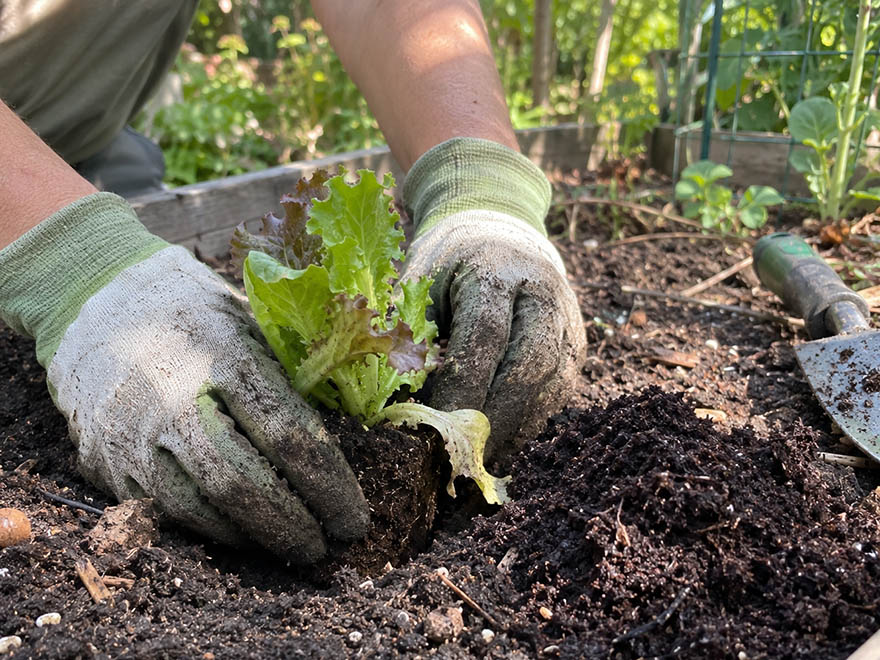
Cool-season leaders, all regions. Broccoli, cabbage, cauliflower, Brussels sprouts, collards, kale, and lettuce thrive as nights cool. Carrots, radish, beets, and turnips go straight into the ground from seed. These are the backbone of a Florida fall vegetable garden.
Warm-season second act, Central and South Florida. Tomatoes, peppers, eggplant, cucumbers, squash, and beans get another run in zone 9 and zone 10, where the frost risk is low or absent.
Florida-adapted specialties. Strawberry goes in during fall for a winter and spring harvest. Seminole pumpkin is the pumpkin that actually handles Florida conditions, unlike most northern pumpkin varieties.
What to skip for now. If you garden in the south, hold most cool-season crops until nights cool. Lettuce and broccoli set out into lingering heat will bolt or fail to head. Skip northern pumpkin varieties in favor of Seminole pumpkin.
When Your Fall Garden Keeps Struggling
If fall crops stall, check three things. First, timing, since cool-season crops planted in heat will bolt and warm-season crops planted too late will not finish before frost. Second, region and zone, since zone 9 and zone 10 run on different dates. Third, bed prep, since leftover summer disease carries into fall. Treat this Florida fall planting guide as a starting point, then confirm the exact dates for your ZIP. New here? Start with our vegetable gardening walkthrough, then space out crops with our succession planting guide.
FAQ
What vegetables can I plant in Florida in September?
What to plant in Florida in September depends on your region. In Central and South Florida, September is your window for tomatoes, peppers, and eggplant transplants, plus beans, cucumbers, and squash from seed. In North Florida, start cool-season transplants like broccoli, cabbage, kale, and lettuce, and sow carrots, radish, and beans.
When should I plant a fall vegetable garden in Florida?
It depends on your region. North Florida starts cool-season crops in September and October. Central Florida runs from September through November. South Florida keeps planting through fall and winter.
Is fall a good time to start a garden in Florida?
Yes. Fall is the best time to start a vegetable garden in most of Florida. Cooler nights suit cool-season vegetables, and the worst summer heat and pest pressure is fading.
What are the easiest cool-season vegetables for a Florida fall?
Radish, lettuce, carrots, collards, and kale are the most forgiving. Radish is ready fast, and leafy greens keep producing as you pick outer leaves. They give a first-season grower a quick win.
Do I need to worry about frost in a Florida fall garden?
A fall garden in Florida faces frost only in the northern half of the state. North Florida in zone 8 and zone 9 can get frost that ends tomatoes and peppers, so keep row covers ready. South Florida in zone 10 is essentially frost-free and grows tender crops all winter.
Is there an app that tells me what to plant in Florida and when?
Yes. easyDacha is a garden planner app that calculates your exact planting dates from your ZIP code and local frost dates. It then builds a two-week task list for your beds. Instead of memorizing regional calendars, you open the app and see what to plant this week.