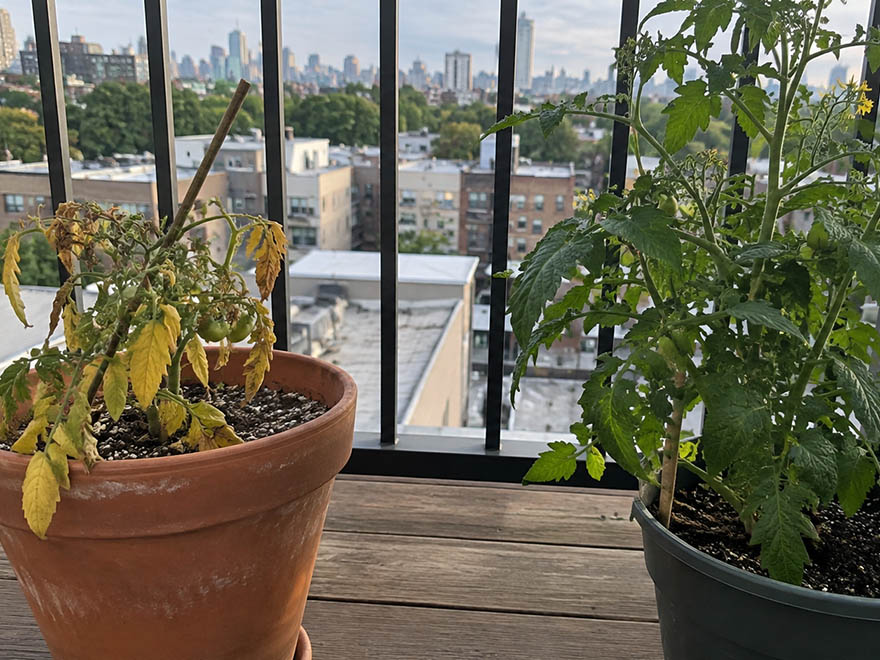
You buy a healthy plant, pot it up, and within a few weeks it yellows, wilts, and dies. You try again, and the same thing happens. It feels like you have a black thumb, but you do not. If you keep asking why do my container plants keep dying, the answer is almost never bad luck. It is one of five fixable mistakes, and most of them trace back to the pot and the water.
TL;DR: Container plants keep dying mostly from poor drainage, garden soil that compacts, a pot too small for the roots, and watering extremes, so fix drainage, use potting mix, size up the pot, and water by checking the soil.
The 5 reasons container plants keep dying
Almost every container death comes from this short list. Work through it in order.
- No drainage. A pot without holes drowns roots. Water pools at the bottom and rots them.
- Wrong soil. Garden dirt compacts into a brick in a pot and starves roots of air.
- Pot too small. Cramped roots dry out in hours and cannot feed the plant.
- Watering extremes. Too much or too little kills faster than anything else.
- Starved nutrients. Containers leach fertility with every watering, so plants run out of food.
Sun and heat can add to it, but these five explain nearly every loss. Here is how to fix each.
How to fix each cause
1. Give every pot drainage holes
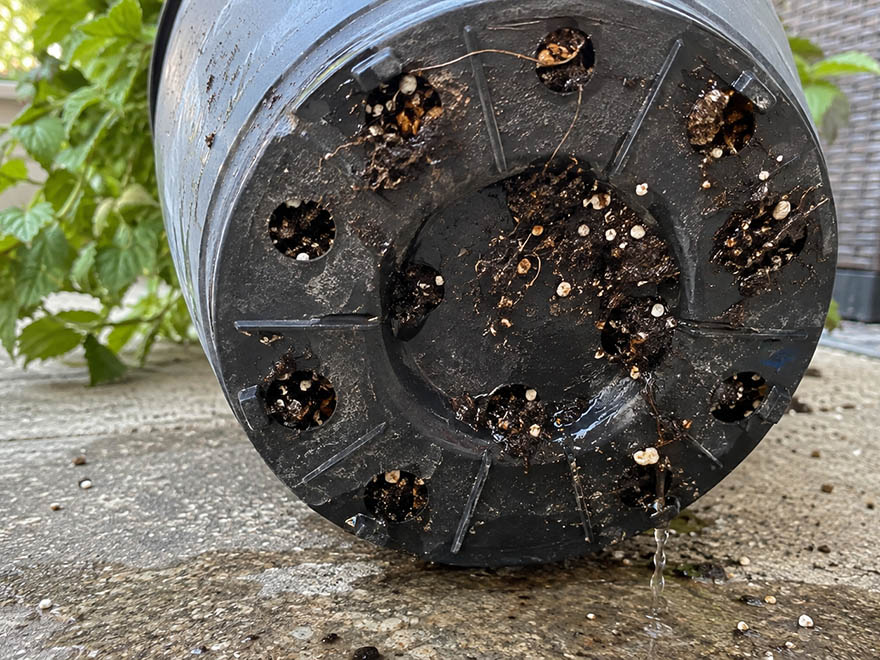
Drainage is the single most common killer, so start here. Every container needs holes in the bottom so water flows out freely. If a decorative pot has none, drill some or set a plastic nursery pot with holes inside it.
Skip the old advice about gravel in the bottom, since it actually raises the waterlogged zone. Just use holes and a good mix. Water should run out the bottom within seconds of watering.
2. Use potting mix, never garden soil
Garden soil is a classic container gardening beginner mistake killing plants. In the ground it works, but in a pot it packs down hard, holds too much water, and suffocates roots. Use a bagged potting mix made for containers instead.
Potting mix stays light and airy, drains well, and holds moisture without turning to mud. It is the difference between roots that breathe and roots that drown. Refresh or replace it each season, since it breaks down over time.
3. Match the pot to the plant
A pot that is too small dries out fast and strangles roots. Match the container to the mature plant, not the seedling. A tomato or pepper needs at least a 5-gallon (19 L) pot. Lettuce and herbs are happy in 1 to 2 gallons (4 to 8 L).
Bigger pots hold more moisture and swing less between wet and dry, which is exactly what stressed container plants need. When in doubt, size up. Our what your gardening space needs guide helps you plan pot sizes for a small setup.
4. Water by checking, not by schedule
Watering extremes kill more container plants than anything else. Instead of watering on a fixed day, stick a finger 2 inches (5 cm) into the mix. Water only when that depth feels dry, then water until it runs out the bottom.
In summer heat, small pots may need water twice a day, while cool weather may mean every few days. Container plants dying from overwatering look just like underwatered ones, both wilt, so always check the soil before you pour. This single habit saves most struggling plants.
5. Feed regularly
Every time you water, nutrients wash out the bottom, so container plants run out of food faster than in-ground plants. Feed with a balanced liquid fertilizer on a regular schedule through the growing season. Follow the label rate and do not overdo it.
Flowering and fruiting crops are hungriest once they set fruit. Our simple fertilizer plan for flowering vegetables shows how to time feeding by growth stage.
Why containers are harder than the ground
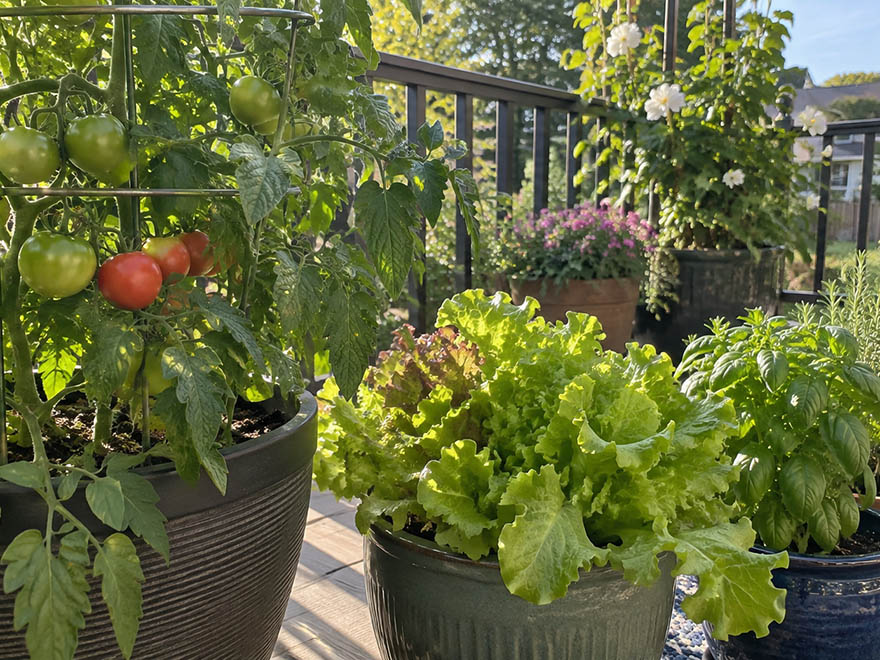
Containers are unforgiving because they are a closed, tiny world. In-ground plants tap a huge reservoir of soil, moisture, and nutrients. A pot holds only what you give it, so every mistake shows up fast.
That is why drainage, soil, pot size, water, and food matter so much more in a container. Get those five right and container growing becomes easy, even on a hot balcony. That is also the key to how to keep apartment backyard plants alive through a full season.
What NOT to do
Do not use a pot with no drainage holes. Standing water rots roots within days. Every pot needs holes.
Do not fill pots with garden soil. It compacts and suffocates roots. Use potting mix only.
Do not water on a fixed calendar. Check the soil with your finger first. Pots dry at wildly different rates.
Do not crowd a big plant into a tiny pot. Cramped roots dry out and starve. Match the pot to the mature size.
Best for which plants
Container success depends on matching the crop to the pot and light:
- Quick, forgiving crops (lettuce, radish, most herbs) thrive in 1 to 2 gallon pots and tolerate a learning curve. Start here. See how to grow lettuce indoors.
- Hungry fruiting crops (tomatoes, peppers, eggplant) need at least 5-gallon pots and steady feeding and water.
- Vining crops (cucumbers, small squash) need a large pot plus a trellis, and a spot with strong sun.
- Low-light balconies limit your options. Map your sun first, since most vegetables need 6 or more hours. Our garden sun mapping guide shows how.
When plants still struggle after the fixes
If plants still fail after you fix drainage, soil, pot size, and watering, check three more things. First, count the hours of direct sun, since too little light quietly kills fruiting crops. Second, feel for heat stress, because dark pots in full sun can cook roots on a hot patio. Third, check the roots for circling, which means the plant outgrew the pot and needs sizing up. Our protect plants in a heat wave guide covers shading pots in summer.
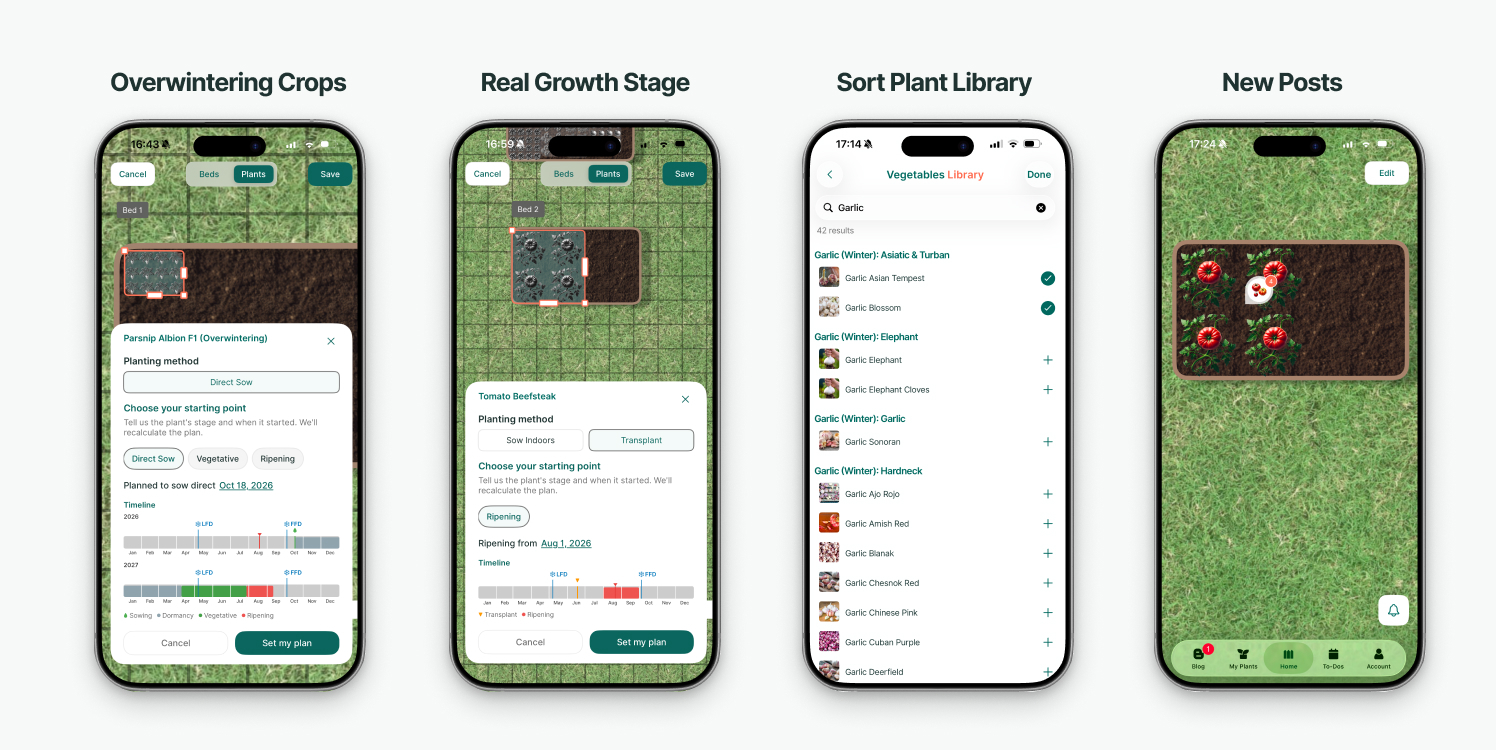
Keeping the watering and feeding on track is where a plan helps most. easyDacha builds a two-week task list tied to your plants and your ZIP code. The garden planner app reminds you when to water and feed each crop. Try easyDacha. New to it all? Start with our vegetable gardening for beginners guide.
FAQ
Why do my container plants keep dying no matter what I do?
Nearly every container death traces to five causes: no drainage holes, garden soil that compacts, a pot too small, watering extremes, or starved nutrients. Fix drainage, switch to potting mix, size up the pot, water by checking the soil, and feed regularly. Most plants survive after that.
Are my container plants dying from overwatering or underwatering?
Both look the same, since a wilting plant can be too wet or too dry. Check the soil before watering: push a finger 2 inches down. If it feels wet and the plant wilts, it is overwatered and the roots may be rotting. If dry, it needs water.
What size pot do vegetables need in containers?
Match the pot to the mature plant. Tomatoes, peppers, and eggplant need at least a 5-gallon pot. Lettuce and herbs do well in 1 to 2 gallons. Bigger pots hold more moisture and swing less between wet and dry, which keeps plants alive.
Can I use garden soil in containers?
No. Using garden soil is a common container gardening beginner mistake killing plants. It compacts into a dense mass in a pot, holds too much water, and suffocates roots. Use a bagged potting mix made for containers, which stays light and drains well.
How do I keep apartment and balcony plants alive?
Give every pot drainage holes, use potting mix, size the pot to the plant, and water only when the top 2 inches feel dry. Feed regularly since containers leach nutrients. Then map your sun, because most vegetables need 6 or more hours of direct light.
Is there an app that reminds me to water container plants?
Yes. easyDacha is a garden planner app that builds a two-week task list for your plants and your ZIP code. The gardening app reminds you when to water and feed each crop, which prevents the watering extremes that kill most container plants.