
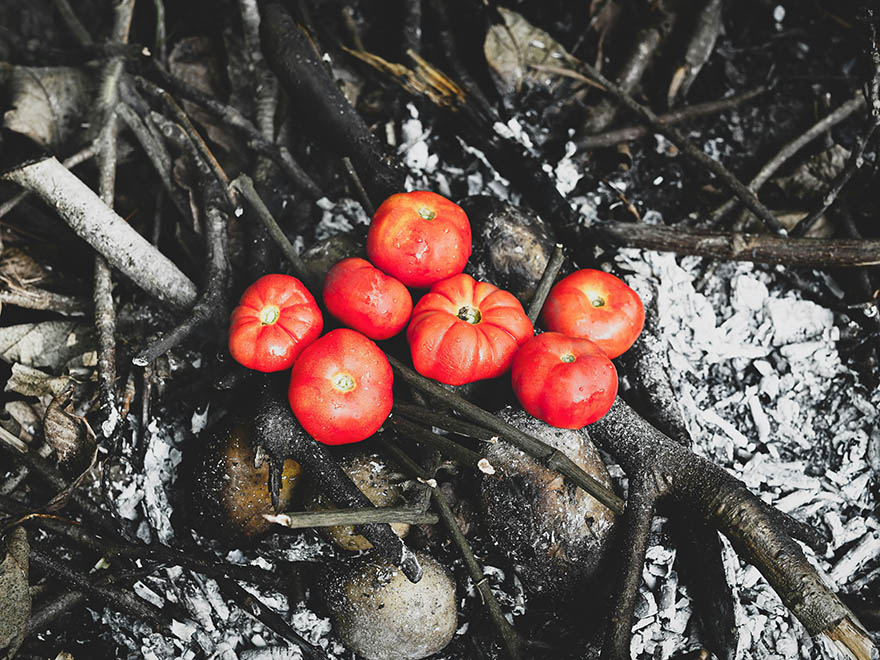
If you heat with a fireplace or grill with hardwood charcoal, you have a bucket of free fertilizer sitting by the hearth. Wood ash is loaded with potassium, calcium, and trace minerals. It raises soil pH, feeds plants, and doubles as a slug and snail barrier when sprinkled dry around stems. Most people throw it away. You can use it in the garden instead, with two simple recipes.
TL;DR: Wood ash fertilizer delivers free potassium and calcium to your garden as a liquid soil drench or dry dust, while also repelling slugs and snails, using nothing but ash from untreated firewood and water.
The recipes
This article covers two uses for wood ash. Pick one or use both.
Recipe 1: Liquid wood ash fertilizer (soil drench)
For 1 quart (1 L) of water:
- 1/2 cup wood ash from untreated hardwood. Fireplace ash, campfire ash, or lump charcoal ash all work. The ash should be fully cooled and gray, not black with unburned chunks.
Mix it:
- Add ash to a bucket or jar with 1 quart (1 L) of water.
- Stir well. Let it sit for 24 hours, stirring once or twice.
- Strain through cheesecloth or an old t-shirt into a clean container.
- Dilute this concentrate 1:10 with water before applying. That means 1 cup (240 ml) of concentrate into about 2.5 quarts (2.5 L) of water.
Application rate: pour 1 cup (240 ml) of the diluted solution around the base of each plant as a soil drench.
Shelf life: use within 48 hours. The solution goes stale fast.
Recipe 2: Dry wood ash dust (pest barrier + soil amendment)
No mixing needed. Just sprinkle.
- Scoop 1 to 2 tablespoons of dry wood ash around the base of each plant, directly on the soil.
- Create a thin ring around the stem. Slugs and snails won't cross it because the ash dries out their bodies on contact.
- Reapply after rain or heavy watering. Wet ash loses its barrier effect.
You can also dust the surface of raised beds lightly in early spring before planting. A thin layer works potassium and calcium into the soil as you water through the season.
How to apply
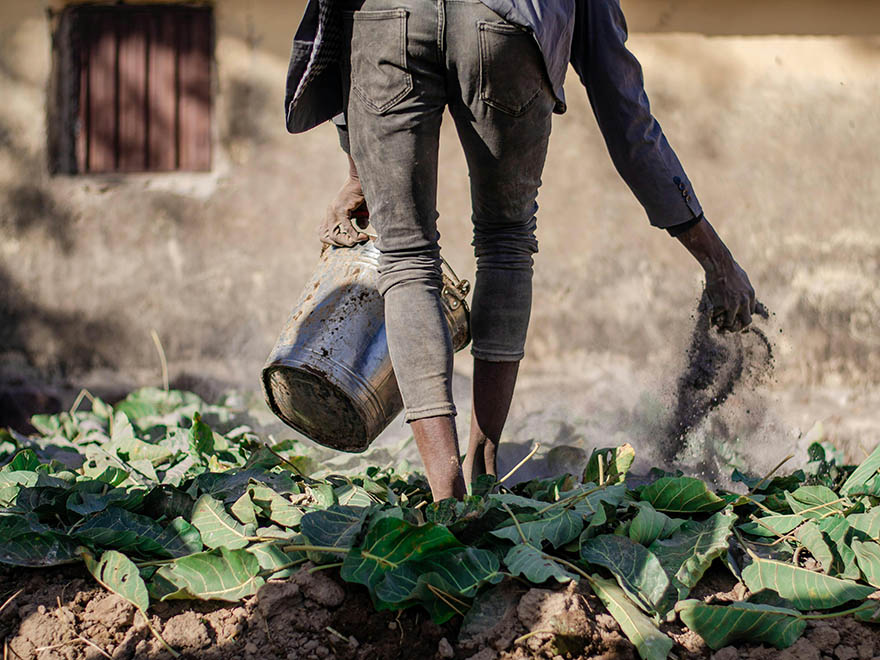
Use the liquid drench once a month during the growing season. Potassium and calcium build up slowly, so monthly is plenty. More frequent drenching can push soil pH too high.
Apply in the morning so the soil absorbs the solution before the heat of the day. Pour at the base, not on the leaves. Ash water on foliage can cause leaf burn in direct sun.
The dry dust works best as a pest barrier around transplants and young plants that slugs target. Reapply after every rain. In dry weather, the barrier lasts about a week.
For raised beds, work a light dusting of dry ash into the top 2 inches (5 cm) of soil in early spring. One application per season is enough. Don't overdo it.
Why wood ash works as fertilizer
Wood ash contains 5 to 7% potassium (K), 20 to 25% calcium (Ca), plus smaller amounts of magnesium, phosphorus, and trace minerals. Potassium is the nutrient responsible for flower and fruit production. Calcium strengthens cell walls and prevents blossom end rot in tomatoes.
Hardwood ash (oak, maple, hickory, ash) has higher mineral content than softwood ash (pine, spruce, fir). Both work, but hardwood gives you more per scoop.
The other big effect: wood ash raises soil pH. If your soil is acidic (below 6.5), ash helps bring it toward neutral. If your soil is already alkaline (above 7.0), skip the ash or test first.
Which wood is safe (and which will poison your soil)
Use ash from clean, untreated wood only. This is the one rule that matters.
Safe: firewood (oak, maple, hickory, birch, cherry, apple), lump hardwood charcoal, campfire wood, untreated lumber scraps, cardboard (small amounts).
Not safe: painted or stained wood, pressure-treated lumber (contains arsenic or copper), plywood or particle board (glue chemicals), charcoal briquettes (binders and lighter fluid residue), glossy printed paper, any wood of unknown origin.
If you're not sure where the wood came from, don't use the ash. The heavy metals in treated wood concentrate in ash and go straight into your soil.
What NOT to do
Don't use ash from treated or painted wood. Arsenic, chromium, and copper from treated lumber concentrate in the ash. They don't burn off. They stay.
Don't apply to acid-loving plants. Blueberries, azaleas, rhododendrons, hydrangeas, and camellias need acidic soil. Ash raises pH and will hurt them.
Don't overdo it. A little ash goes a long way. More than 2 tablespoons per plant per month starts pushing pH too high. If in doubt, test your soil.
Don't handle ash without gloves. Dry wood ash is caustic enough to irritate skin. Wear gardening gloves when scooping and spreading.
Best for which plants
Wood ash fertilizer works well on most vegetables, herbs, and fruit plants that prefer neutral to slightly alkaline soil.
- Tomatoes, peppers, eggplant — love the extra potassium and calcium. Calcium helps prevent blossom end rot.
- Root vegetables (carrots, beets, turnips, radishes) — potassium supports root development
- Beans, peas, cucumbers, squash — benefit from the potassium boost during flowering and fruiting
- Fruit trees (apple, pear, cherry, plum) — light annual dusting around the drip line feeds the root zone
- Roses and flowering shrubs — potassium promotes bigger blooms
Do NOT use on: blueberries, cranberries, azaleas, rhododendrons, hydrangeas (blue varieties), potatoes (ash can promote potato scab in alkaline soil).
When ash doesn't fix the problem
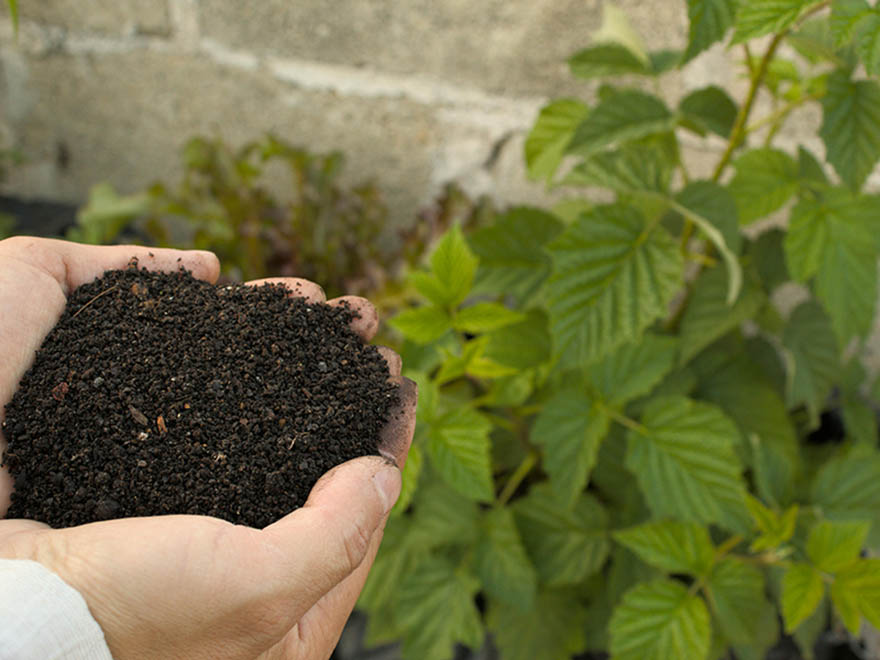
If your plants look weak and you've been adding ash, the problem might not be potassium. Yellow lower leaves usually mean nitrogen. Purple stems mean phosphorus. Ash provides neither. A soil test from your local county extension office costs about $15 and tells you exactly what's missing. Guessing with amendments wastes time and can make things worse.
For a full collection of homemade fertilizer and pest recipes, see our homemade organic pesticide guide.
FAQ
Is wood ash fertilizer good for vegetable gardens?
Yes. Wood ash delivers 5 to 7% potassium and 20 to 25% calcium, both of which vegetables need for fruit production and strong cell walls. Use the liquid drench monthly or dust dry ash into raised beds in spring. Tomatoes, peppers, and root vegetables respond especially well.
Can I use fireplace ash in my garden?
Yes, as long as the firewood was untreated and unpainted. Plain hardwood ash from a fireplace is one of the oldest garden amendments. Let it cool fully, then use it as a soil drench or dry dust. Never use ash from treated, painted, or stained wood.
Can I use BBQ ash or charcoal ash in the garden?
Lump hardwood charcoal ash is safe. Charcoal briquettes are not. Briquettes contain binders, fillers, and lighter fluid residue that you don't want in your soil. If the bag says "100% natural lump charcoal," the ash is fine. If it says "briquettes," skip it.
Does wood ash repel slugs and snails?
Yes. Dry wood ash creates a barrier that slugs and snails avoid because it dehydrates their bodies on contact. Sprinkle 1 to 2 tablespoons around the base of each plant. Reapply after rain because wet ash loses the barrier effect.
Will wood ash make my soil too alkaline?
It can if you overdo it. One monthly drench or a light spring dusting is safe for most gardens. If your soil already tests above pH 7.0, skip the ash or apply very sparingly. A $15 soil test from your county extension office tells you exactly where you stand.
Which plants should I NOT put wood ash on?
Avoid all acid-loving plants: blueberries, cranberries, azaleas, rhododendrons, and blue hydrangeas. Also avoid potatoes, because alkaline soil promotes potato scab. Everything else is fair game in moderate amounts.
Is there a gardening app that tracks fertilizer schedules?
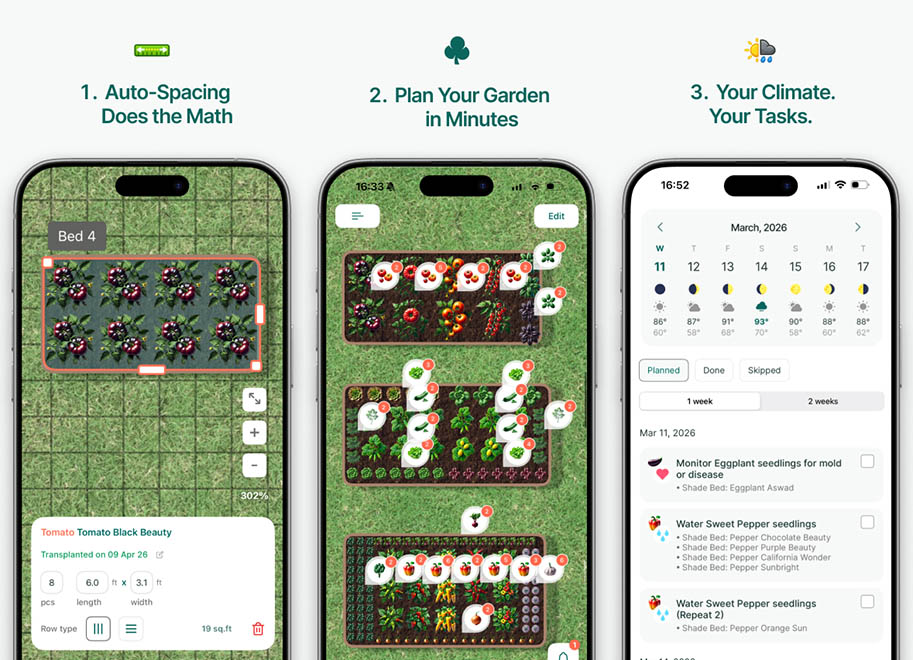
Yes. The easyDacha garden planner app schedules feeding tasks by growth stage. It knows when your tomatoes need potassium and when your seedlings need their first feed. The 7-day task calendar puts each treatment on the right day for your zone. Downloadd at easydacha.com/download.
Stop guessing when to feed your garden
Feeding at the wrong time wastes product and stresses plants. Too much potassium too early pushes leaf growth at the expense of fruit. Too little during flowering means smaller harvests.
The easyDacha garden planning app schedules feeding tasks by growth stage: seedling, vegetative, flowering, fruiting. Each task lands on your 7-day calendar tied to your actual beds and plants. You don't have to remember what needs potassium this week. The app does.
Try easyDacha app →. The vegetable garden app that plans your season in 60 seconds. Cancel anytime.
Related reading on easydacha.com
- Homemade Organic Pesticide for the Vegetable Garden — more DIY recipes for pest control and plant care.
- Vegetable Gardening for Beginners: A Step-by-Step Guide — the pillar guide for getting started.
- Companion Planting Guide: Double Your Harvest Naturally — which plants grow well together and which to keep apart.
- Row Gardening Is Out: 5 High-Yield Secrets for a Smarter Backyard Garden — raised bed strategies where ash works especially well.