
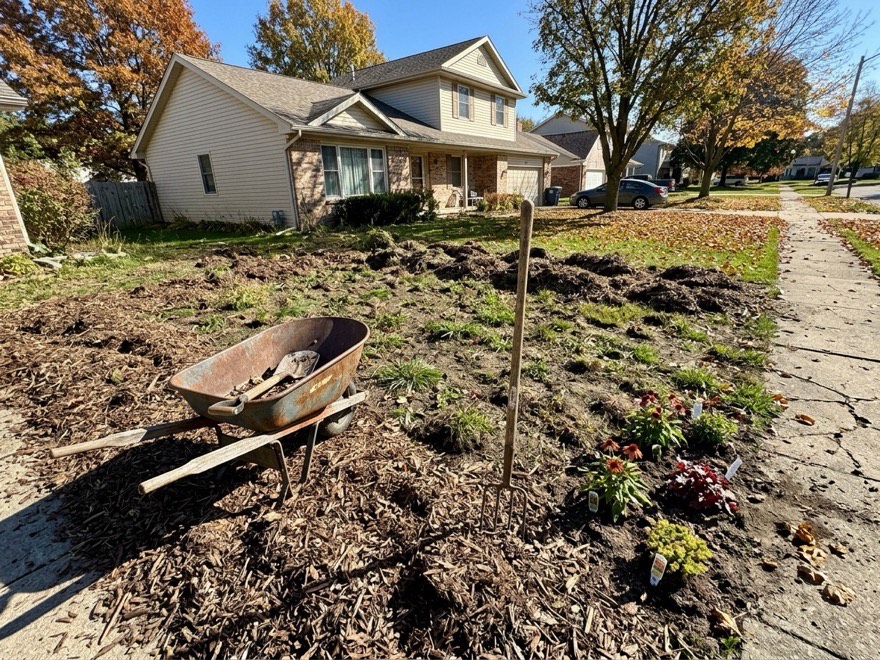
You spent a weekend spreading a mountain of wood chips over your old lawn. The next day a notice arrives: "inappropriate ground cover," remove within 30 days. Before you rent a skid steer, slow down. When wood chip mulch is not allowed by county code, the real issue is often missing plants, not the chips. Many gardeners fix the violation by planting, not by removing anything.
TL;DR: If wood chip mulch is not allowed by county code, read the cited section, ask the inspector what compliance looks like, and propose a planting plan. Many codes accept mulch once living plants cover the area.
This article is general information, not legal advice. Codes differ by city, county, and HOA.
Why wood chip mulch is not allowed by county code in some places
Codes rarely ban mulch outright. They usually require something that a bare field of chips does not provide.
- Required landscaping or vegetative cover. Many zoning codes say front yards must be "landscaped" or have "living ground cover." A yard of only mulch may not count.
- Erosion and dust control. Some rules require vegetation to hold soil in place, especially on slopes and near drainage.
- Wildfire rules. In some fire-prone areas, wood mulch is restricted right next to buildings.
- Sight lines and setbacks. Corner lots and sidewalk strips may have height and material rules.
- Weed and nuisance ordinances. Once weeds sprout through thin chips, the yard can trip rules about overgrown vegetation. Many cities cap grass and weeds at 6 to 12 inches (15 to 30 cm).
So is mulch considered ground cover by code enforcement? It depends on the wording. Some codes list mulch as acceptable ground cover. Others count only living plants. The exact language decides your next step.
Step 1: Read the notice carefully
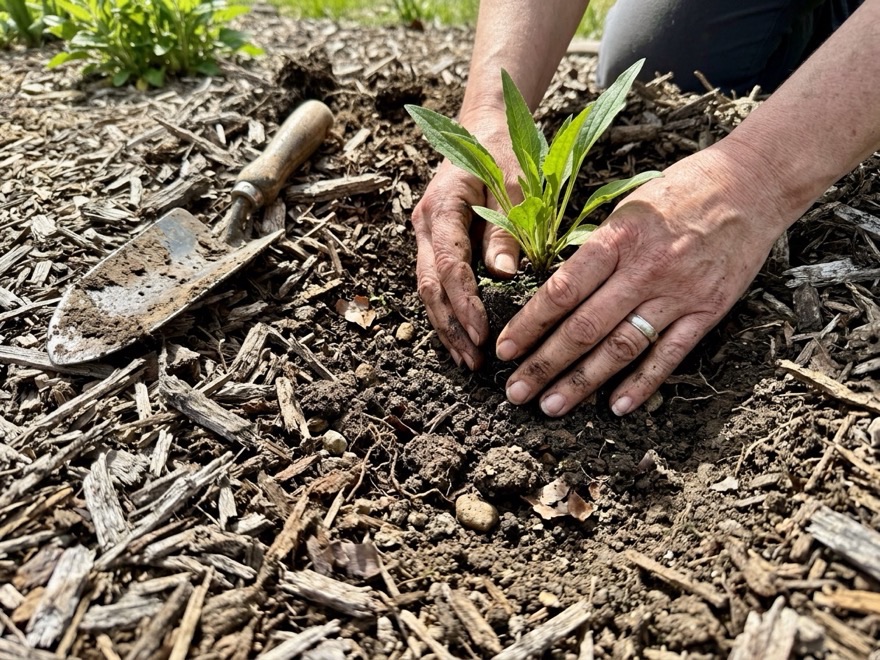
Do not start removing chips on day one. Find three things on the notice:
- The code section cited. Write down the exact number.
- The deadline. Note how many days you have to comply or respond.
- The appeal or hearing process. Most notices explain how to contest or request more time.
Then look up the section in your city or county's online municipal code. Read the definitions part too. Words like "landscaping" and "ground cover" are often defined there.
Step 2: Call the inspector and ask one question
Ask: "What would compliance look like for my yard?" Stay calm and curious. Inspectors often respond to complaints and may not know your plan.
Explain that the chips are the first step of a garden. Many inspectors accept a yard that is being actively planted. Ask whether adding plants, edging, or a buffer strip would resolve the issue. Get the answer in writing, or send a follow-up email summarizing the call.
Step 3: Propose a planting plan with dates
Your strongest move is a simple written plan. Show where plants go, what goes in, and when.
- Sketch the beds. A basic map of the yard with planted areas marked. A quick garden sun mapping check tells you which plants fit each spot.
- List the plants. Native perennials, shrubs, groundcovers, or vegetable beds.
- Give a timeline. Fall is prime planting time in most of the US, which gives you a natural deadline.
Mulch works best as the layer around plants, not a replacement for them. A 2 to 3 inch (5 to 8 cm) layer holds moisture and blocks weeds. Keep it about 2 inches (5 cm) away from stems to prevent rot. Our guide on turning a lawn into a vegetable garden shows how to plant straight through a mulch layer.
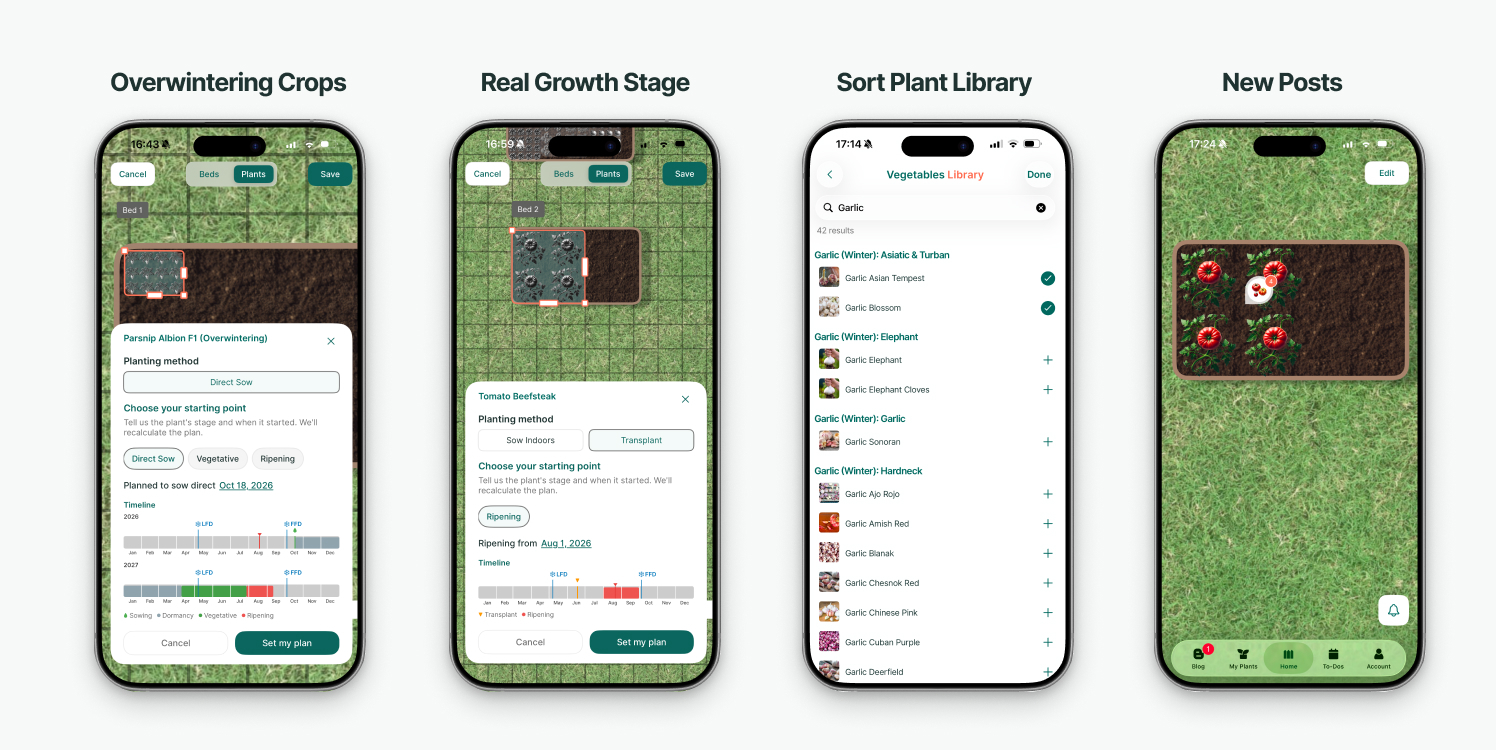
A clear plan with dates is exactly what an inspector wants to see. In easyDacha, draw your beds on the garden map and add plants from the library, or add native species as custom plants. The app sets planting dates from your ZIP code frost dates and builds a care plan for each plant. Your two-week task list keeps the planting on track, so the yard fills in on the timeline you promised. Try easyDacha →
Step 4: Check if state law protects you
Some states limit how far HOAs can go in banning native or water-wise landscaping. Florida, for example, bars HOAs from prohibiting Florida-friendly landscaping. Colorado and Maryland have similar protections for certain low-water or native yards. Several other states have followed.
These laws mostly apply to HOAs, not county codes. They also usually let the association set reasonable rules on appearance and maintenance. Look up your state's rules, or ask a local native plant society. They often track these laws closely.
HOA rules: mulch vs lawn replacement
An HOA and the county are two separate rulebooks. You can comply with one and still violate the other.
Before replacing turf, read your HOA covenants and design guidelines. Many require approval for landscape changes. Submitting a plan first costs a few weeks. Skipping it can cost a fine and a forced redo.
Conflicts with neighbors are stressful. If yours involves spray drift from next door instead, our guide to herbicide drift damage covers documenting the problem.
Step 5: Appeal or ask for a variance if needed
If the inspector will not budge and the code is unclear, use the appeal process on the notice. Bring photos, your planting plan, and the code language. Ask for an extension to finish planting if nothing else.
Some cities are rewriting their weed and landscaping codes to allow native gardens. Speaking at a city council or planning meeting can help change the rule for everyone.
How to avoid the notice in the first place
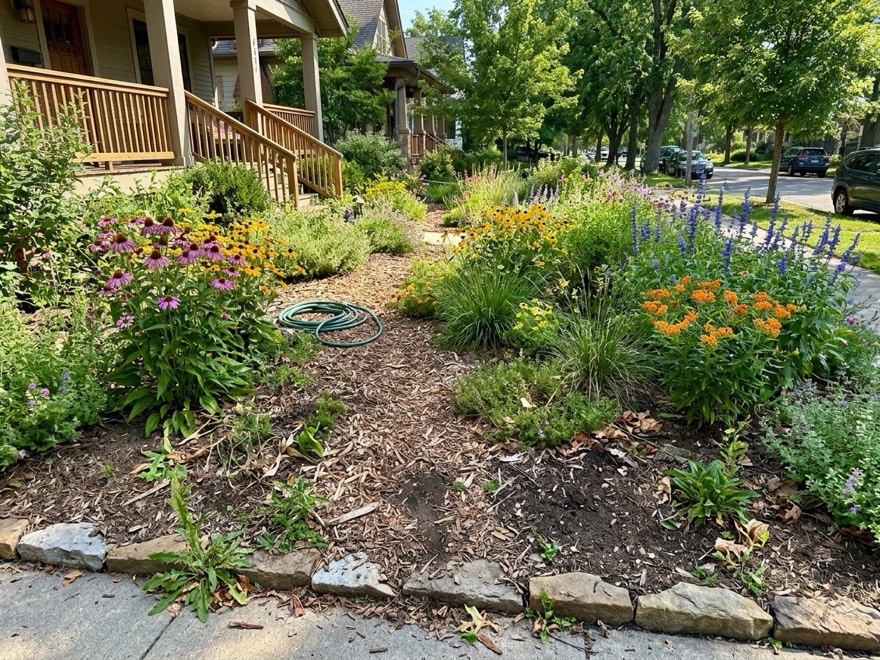
The best time to handle wood chips instead of grass is before the truck arrives.
- Check the code and HOA rules first. Search for "landscaping," "ground cover," and "weeds."
- Plant as you mulch. Spread chips and plant the same season so the yard never looks abandoned.
- Keep clean edges. A border along the sidewalk signals a designed garden.
- Add color early. A few flowers for your vegetable garden or natives make a new bed read as intentional.
Good planning of what your gardening space needs and a preventive gardening approach save you from most surprises.
What NOT to do
Do not ignore the deadline. Fines often grow daily once the deadline passes.
Do not remove everything right away. Ask first. Adding plants may be all you need.
Do not argue on the phone. A calm, curious question gets better results.
Do not leave chips unplanted for months. Weeds come through, and a second complaint follows.
Turn the Violation Into a Garden
A code notice is often just a push to finish what you started. easyDacha, the gardening app that plans your exact beds, turns your yard into a plan with dates, care tasks, and reminders. Open it and your next two weeks of work are ready.
FAQ
What should I do if wood chip mulch is not allowed by county code?
Read the cited section and the definitions, then ask the inspector what compliance looks like. Propose a written planting plan with dates. When wood chip mulch is not allowed by county code, adding living plants often resolves it.
Is mulch considered ground cover by code enforcement?
It depends on your code's wording. Some codes list mulch as acceptable ground cover. Others require living vegetation. Check the definitions section of your municipal code.
Can my HOA stop me from replacing my lawn?
HOAs can often require approval and set appearance rules. Some states limit HOA bans on native or water-wise landscaping. Florida is one example. Check your covenants and your state's laws.
How deep should wood chip mulch be around plants?
About 2 to 3 inches (5 to 8 cm). Keep chips about 2 inches (5 cm) away from stems and trunks to prevent rot.
Can I get more time to comply with a landscaping violation?
Often, yes. Many notices explain how to request an extension or a hearing. Showing an active planting plan helps.
Is there an app that helps me plan a yard makeover?
easyDacha is a garden planner app where you draw beds on a map and add plants, including custom ones. It sets planting dates from your ZIP code and lists tasks for the next two weeks.