
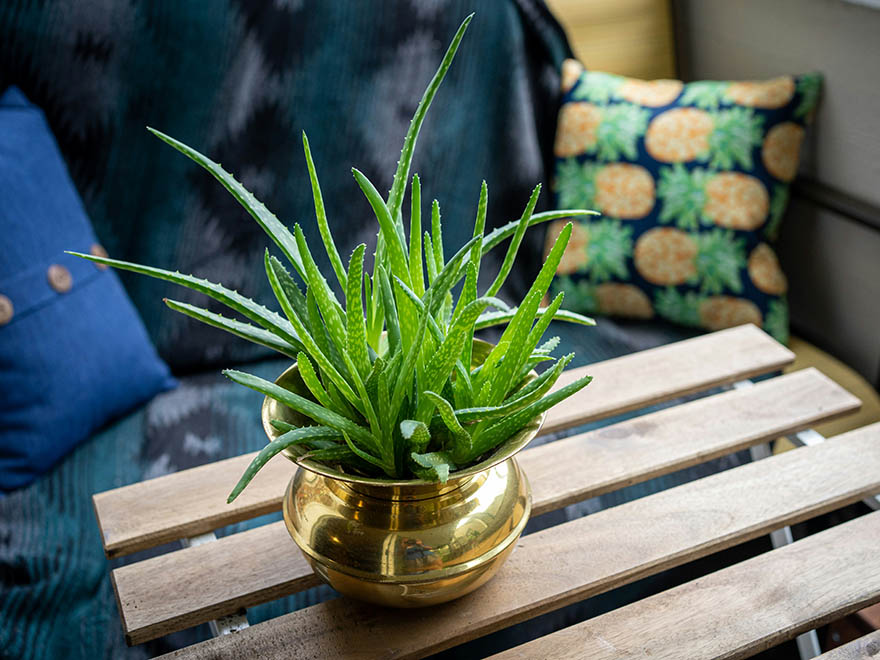
The aloe or jade plant on your windowsill is a free germination booster. Both plants produce natural auxins, the hormones that tell seeds to push out roots. Cut a leaf, mix the juice with water, soak your seeds for 24 to 48 hours, and plant. No chemicals, no cost.
TL;DR: Two recipes. Aloe vera: scoop 2 tablespoons (30 ml) of gel from a leaf, blend into 3/4 cup (200 ml) water. Jade plant (crassula): crush 2 to 3 leaves into 3/4 cup (200 ml) water, steep 2 hours, strain. Soak seeds in either extract for 24 to 48 hours at room temperature. Plant immediately. Use the extract the same day you make it.
The recipes
Two plants, two methods. Use whichever one you have on the windowsill. If you have both, the jade plant extract is the stronger option.
Recipe 1: Aloe vera seed soak
You need:
- 1 mature aloe vera leaf (at least 6 inches / 15 cm long)
- About 3/4 cup (200 ml) of room-temperature water
- A knife and spoon
- A blender or fork
- A bowl for soaking
Do it:
- Cut one mature leaf from the outer ring of your aloe plant. Outer leaves are older and contain more gel. Do not take leaves from the center. The plant needs those for new growth.
- Slice the leaf open lengthwise. Scoop out about 2 tablespoons (30 ml) of clear gel with a spoon. Avoid the yellow sap just under the skin. That sap contains aloin, which is too harsh for seeds.
- Drop the gel into 3/4 cup (200 ml) of room-temperature water. Blend until smooth, or mash with a fork until the gel dissolves.
- Place your seeds into the aloe solution. Make sure all seeds are submerged.
- Soak at room temperature for 24 to 48 hours. Stir once every 12 hours.
- Remove seeds and plant immediately. Do not rinse.
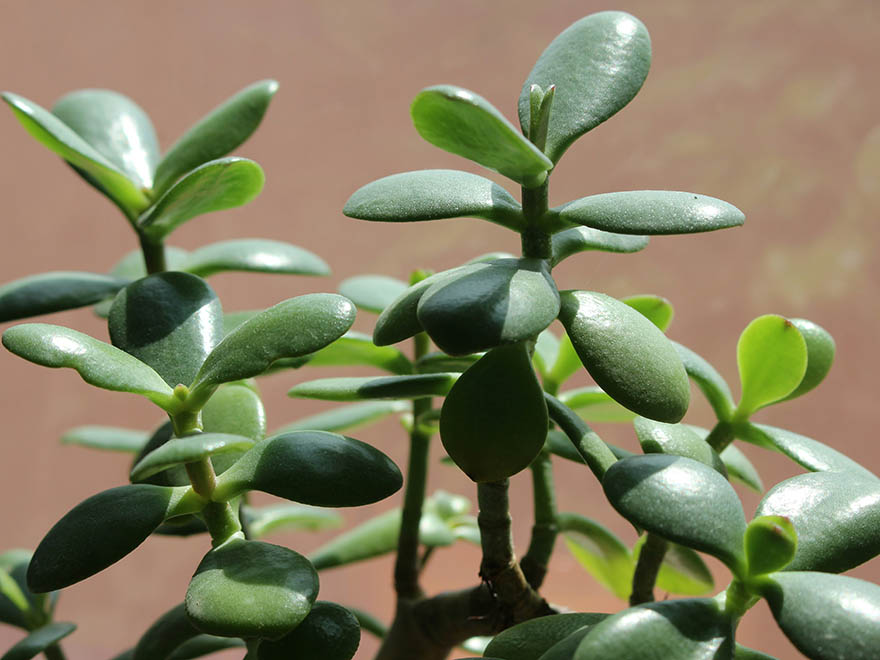
Recipe 2: Jade plant (crassula) seed soak
You need:
- 2 to 3 mature jade plant leaves (thick, firm, dark green)
- About 3/4 cup (200 ml) of room-temperature water
- A small bowl or mortar
- Cheesecloth or a fine strainer
- A bowl for soaking
Do it:
- Pick 2 to 3 leaves from a mature jade plant. Choose thick, firm leaves from the lower part of the stem. Avoid thin, pale leaves near the growing tips.
- Crush the leaves in a mortar or press them firmly with the back of a spoon in a bowl. You want to break the cell walls and release the juice. The leaves will become mushy and translucent.
- Add the crushed leaves to 3/4 cup (200 ml) of room-temperature water. Stir well.
- Let the mixture steep for 2 hours at room temperature.
- Strain through cheesecloth or a fine strainer into a clean bowl. Squeeze out all the liquid. Discard the leaf pulp.
- Place your seeds into the strained extract. Make sure all seeds are submerged.
- Soak at room temperature for 24 to 48 hours. Stir once every 12 hours.
- Remove seeds and plant immediately. Do not rinse.
Harvest timing for jade plant leaves: If you want the strongest extract, pick the leaves early in the morning before sunrise. Jade plants use a special type of photosynthesis called CAM (crassulacean acid metabolism). They store malic acid in their leaves overnight. Predawn leaves contain the highest concentration of malic acid, which helps break down the seed coat and stimulate germination. Evening leaves contain less acid and are weaker as a seed treatment.
How to use it
Seed soak (main use):
This is a pre-planting treatment. Soak seeds in the extract before sowing. Plant soaked seeds directly into moist starting mix. Press to the correct depth and cover with vermiculite or a thin layer of soil. The seeds carry moisture and growth hormones from the soak, so they start faster than dry-planted seeds.
Rooting cuttings (secondary use):
The same aloe or jade plant extract works as a rooting aid. Dip the cut end of a stem cutting into the undiluted extract for 30 seconds before planting in moist soil or perlite. The auxins in the extract stimulate adventitious root formation. This is especially useful for tomato suckers and herb cuttings.
Use the extract the same day. Both aloe gel and jade plant juice break down within hours at room temperature. Do not store. Make a fresh batch every time.
Which plants benefit most
Both extracts work on any seed, but the auxin boost matters most for slow starters and stress-sensitive crops.
Best results: Tomatoes, peppers, and eggplant. These warm-season seeds germinate slowly in cool conditions. The auxins in aloe and jade plant extract push root emergence faster and stronger. Start seeds indoors with this soak for a head start before transplanting outdoors.
Strong results: Parsley, cilantro, and celery. These crops germinate unevenly even under ideal conditions. The seed soak synchronizes sprouting. Instead of seedlings trickling in over 3 weeks, most emerge within the same window.
Good results: Cucumbers, squash, and melons. Large seeds absorb the extract quickly. A 24-hour soak is enough. The root boost helps these crops establish faster after direct sowing.
Useful for: Flower seeds with slow germination (petunias, marigolds, zinnias). The extract softens seed coats and delivers hormones that speed up the first root.
Less useful for: Fresh seeds from this season stored in ideal conditions. These seeds already have high viability and strong hormonal reserves. The soak does not hurt, but the improvement is marginal.
Skip for: Pelleted or pre-treated seeds. The soak dissolves the commercial coating and interferes with whatever treatment the manufacturer applied. Plant coated seeds dry.
Why it works
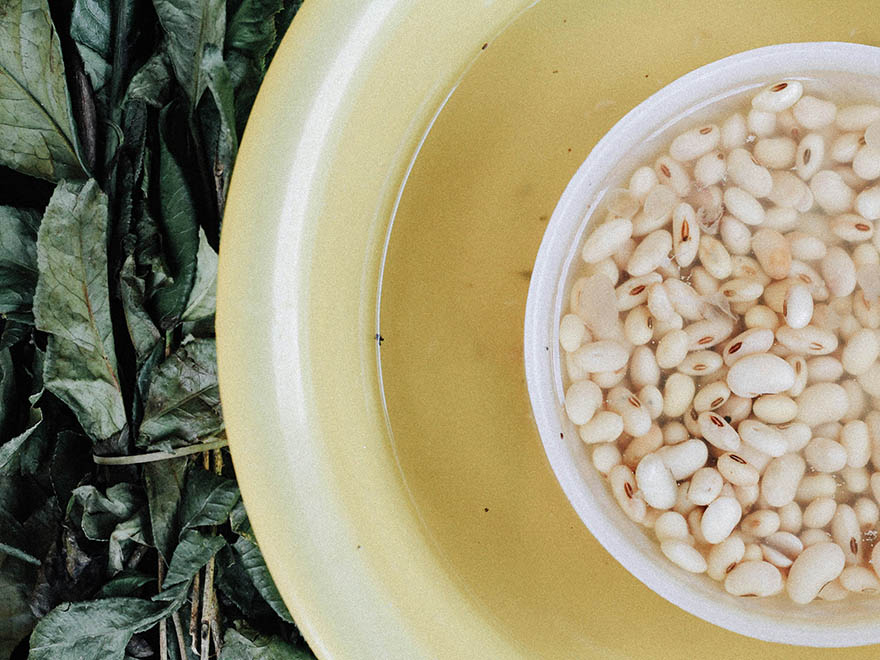
Aloe vera and jade plant (crassula) both produce natural plant hormones called auxins. Auxins control root initiation and root elongation. When a seed absorbs auxin-rich liquid during soaking, the embryo receives a chemical signal to prioritize root growth.
Aloe gel contains auxin-like compounds along with salicylic acid, which triggers a defense response called Systemic Acquired Resistance (SAR). The salicylic acid "primes" the seedling's immune system before it even breaks the soil surface. This gives the emerging plant a head start against damping off and soil-borne pathogens.
Jade plant extract is chemically stronger than aloe for this purpose. Crassula accumulates higher concentrations of auxins and malic acid in its leaves. The malic acid softens the seed coat, allowing the auxins to penetrate deeper and faster. Malic acid is also the same organic acid that plant roots release naturally to dissolve minerals in the soil. You are giving the seed a head start on a process it would do on its own after germination.
The CAM metabolism of jade plants creates a unique advantage. During the night, the plant stores carbon dioxide as malic acid in its leaves. By morning, the leaves contain peak acid levels. That is why predawn harvest produces the most potent extract for seed soaking.
What NOT to do
Do not use the yellow sap from aloe leaves. The yellow liquid just under the aloe skin is called aloin. It is a laxative compound that can inhibit germination and damage seed embryos. Scoop only the clear gel from the center of the leaf.
Do not soak longer than 72 hours. Seeds need oxygen to germinate. Extended soaking deprives them of air and can cause fermentation or rot. Pull seeds out by 48 hours for most crops. Only extend to 72 hours for very hard-coated seeds like parsley or beets.
Do not use dried or processed aloe products. Bottled aloe juice from the store contains preservatives and has lost most of its active hormones. Store-bought aloe gel for skin care contains additives. Use fresh leaves only.
Do not store the extract. Both aloe gel and jade plant juice oxidize and lose potency within hours. Make a fresh batch each time you soak seeds.
Do not combine with chemical seed treatments. Commercial seed treatments (fungicide coatings, growth regulators) are formulated for dry application. Soaking treated seeds in extract can wash off the coating or create unpredictable chemical interactions. Pick one method.
Do not harvest from a sick plant. If your aloe or jade plant shows signs of stress, pests, or disease, do not use its leaves. Stressed plants alter their hormone profile and may contain defense compounds that inhibit seed growth instead of promoting it.
FAQ
Is jade plant or aloe better for seed soaking?
Jade plant (crassula) produces a stronger extract. It accumulates higher concentrations of auxins and malic acid than aloe vera. If you have both plants, use jade plant leaves for seed soaking. If you only have aloe, it works well too. The difference is measurable but not dramatic for home garden use.
How long should I soak seeds in aloe or jade plant extract?
Twenty-four to 48 hours at room temperature for most seeds. Extend to 72 hours only for hard-coated seeds like parsley, beets, or celery. Do not exceed 72 hours. Longer soaks starve seeds of oxygen and can cause rot.
Does the time of day I pick jade plant leaves matter?
Yes. Jade plants use CAM photosynthesis and store malic acid in their leaves overnight. Leaves picked before sunrise contain the most malic acid and produce the strongest extract. Evening leaves have less acid and are weaker as a seed treatment.
Can I use this soak for rooting cuttings too?
Yes. Dip the cut end of a stem cutting into undiluted aloe gel or jade plant extract for 30 seconds. The natural auxins stimulate root initiation at the wound site. This works for tomato suckers, basil stems, and most herb cuttings.
Will the aloe soak hurt my seeds?
Not if you use the clear gel and avoid the yellow sap (aloin). Aloin is a harsh compound found just under the leaf skin. It can inhibit germination. Scoop only the clear, translucent gel from the center of the leaf.
Can I use store-bought aloe gel instead of fresh?
No. Bottled aloe products contain preservatives, thickeners, and other additives that interfere with the seed treatment. The active auxin-like hormones degrade during commercial processing. Fresh leaves from a live plant are the only reliable source.
Is there a gardening app that schedules seed soaking and sowing?
Yes. The easyDacha garden planner app schedules sowing dates by growth stage for your ZIP code. It tells you when to start seeds indoors and when to move them outside. Free 14-day trial at easydacha.com/download.
Two houseplants, zero dollars, better germination

That aloe or jade plant is doing more than sitting on the windowsill. One leaf gives you enough extract to treat a full tray of seeds. The auxins in the extract tell the seed to push roots faster and stronger. The malic acid in jade plant leaves softens hard seed coats. The salicylic acid in aloe primes the seedling's immune system before it breaks ground. All free, all from plants you already own.
The easyDacha gardening app schedules sowing dates by growth stage and tells you when to start seeds indoors.
Try easyDacha free for 14 days →. The garden planner app that plans your season in 60 seconds. Cancel anytime.
Related reading on easydacha.com
- How to Use Ginger Extract for Seed Germination (Old Seed Revival) — another natural seed soak that doubles germination in old seeds. Ginger works through gingerols; aloe and jade plant work through auxins. Different chemistry, same goal.
- Seed Starting Tips: When to Soak Seeds and When to Skip It — the full framework for deciding when seed soaking helps and when to skip it. This article explains which seeds benefit from soaking and which do not.
- How to Use Cinnamon to Prevent Damping Off and Soil Fungus — after soaking seeds in aloe or jade plant extract, cinnamon on the starting mix adds a second layer of protection against damping off.
- Seed Starting Troubleshooting: Why Seeds Fail and How to Fix It — if seeds still do not sprout after treatment, the problem may be soil temperature, depth, or moisture. This guide covers every common failure mode.
- When to Transplant Tomatoes Outdoors (And How to Do It Right) — after your soaked tomato seeds sprout and grow, this guide covers the move from indoors to the garden.