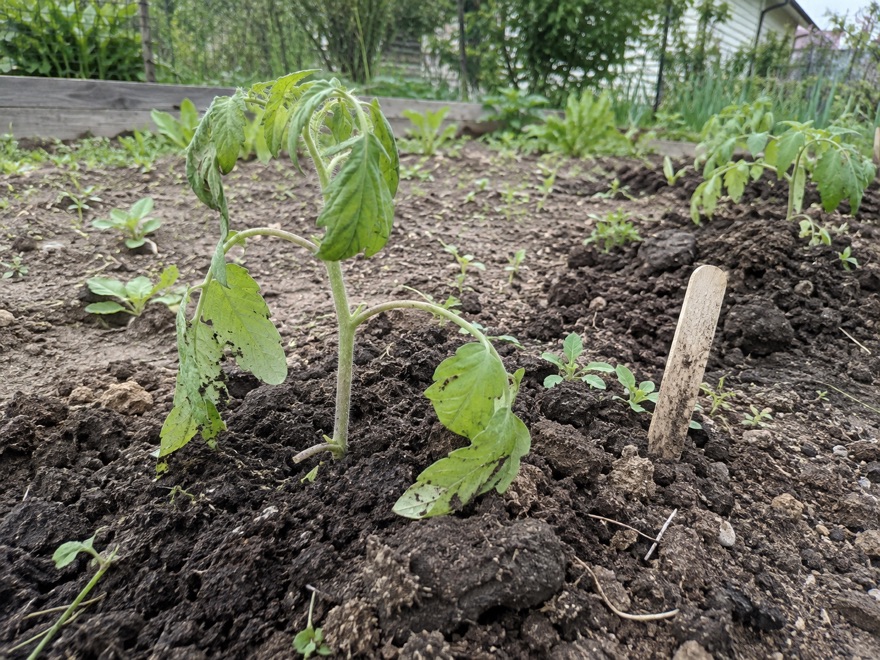
A cold snap rolled through, or you just moved a batch of seedlings into the ground, and now your plants are drooping and sulking instead of growing. An ammonium succinate anti-stress drench, made from pharmacy succinic acid and household ammonia, gives stressed plants an immediate energy boost and a quick shot of nitrogen, with recovery often visible within a day or two.
TL;DR: For succinic acid ammonia plant stress recovery, dissolve succinic acid and 10% household ammonia in water and root-drench plants after a temperature swing, transplant shock, or cold damage, with visible recovery in 24 to 48 hours.
The recipe
For 2.6 gallons (10 L) of water:
- ½ teaspoon (about 2 g) succinic acid, sold as plain pharmacy tablets or powder without added vitamins
- 1 tablespoon (15 mL) 10% household ammonia, the standard cleaning-strength ammonia sold at grocery and hardware stores
Mix it: Dissolve the succinic acid fully in the water first, then stir in the ammonia. Mix outdoors or in a well-ventilated space, since ammonia has a strong smell.
Shelf life: Mix fresh and use the same day. Do not store the combined solution.
How to apply
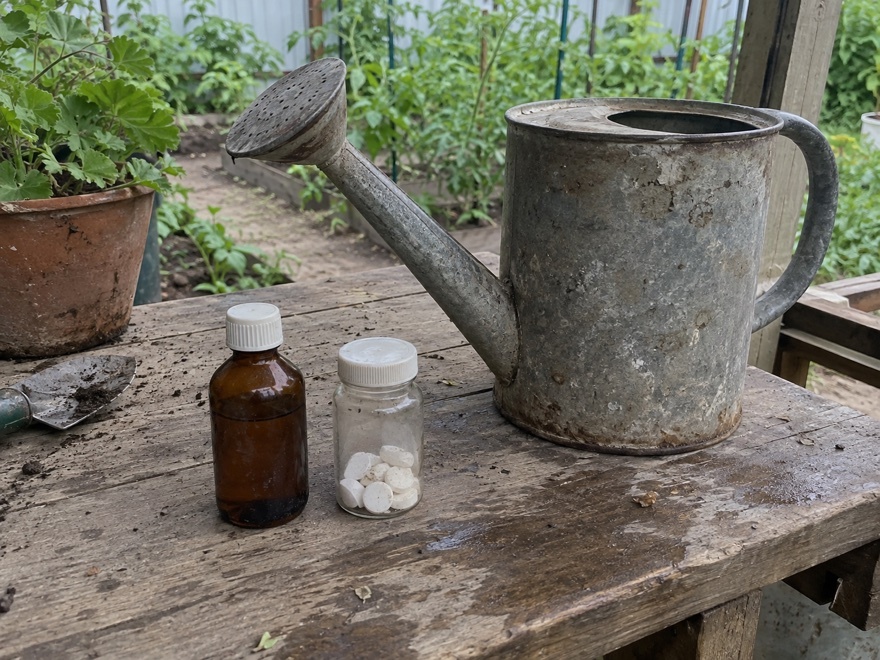
Root-drench 2 cups (500 mL) of the solution per plant, pouring it directly around the base and root zone rather than over the leaves. This is a root treatment, not a foliar spray.
Apply as soon as possible after the stress event, whether that is a sudden cold snap, frost damage, transport stress from moving plants, or the shock of a recent transplant. The sooner you apply it relative to the stress, the faster the visible recovery tends to be.
Succinic acid works by supporting cellular respiration, essentially helping the plant's cells produce energy more efficiently right when they need it most to repair stress damage. The ammonia supplies an immediate, readily available form of nitrogen, which stressed plants often need quickly to resume normal growth.
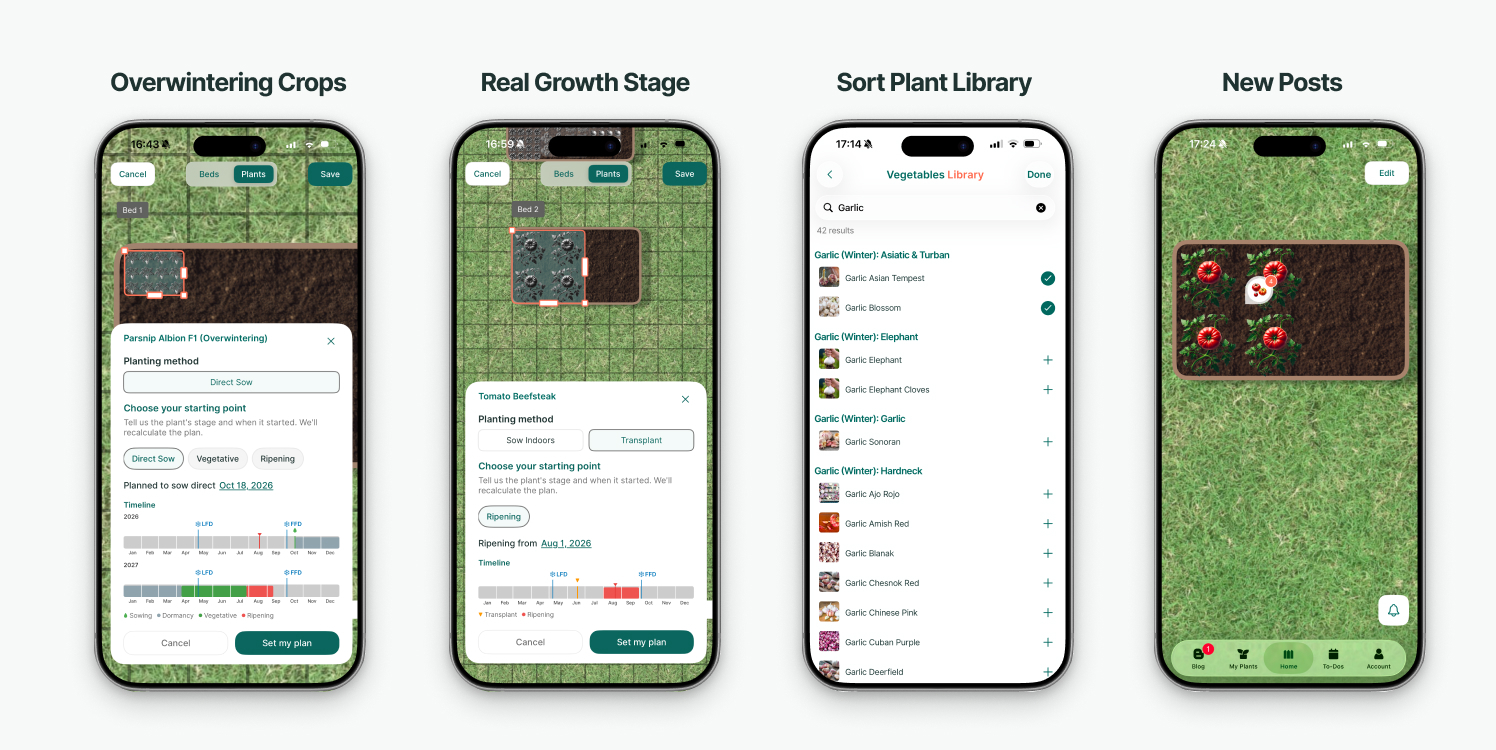
This is a one-time or occasional rescue treatment tied to specific stress events, not a regular weekly feed. Knowing when a cold snap or a transplant date is coming up, so you can have this drench ready, is easier with a plan built around your local frost dates. easyDacha calculates your exact frost dates and transplant windows by ZIP code, so you can anticipate stress events before they happen rather than reacting after the fact. Download and try easyDacha, a gardening app that plans around your actual local conditions.
Expect visible recovery, perked-up leaves and resumed growth, within 24 to 48 hours of application if the stress was not severe enough to cause permanent tissue damage.
Why this drench works
Succinic acid is a natural compound involved in the citric acid cycle, the core energy-production pathway inside every plant cell. Applying it externally acts as a catalyst that supports this energy production right when a stressed plant needs it most.
Ammonia provides nitrogen in a form the plant can use almost immediately, which is valuable because stressed plants often struggle to pull nutrients from the soil at their normal rate, and a quick nitrogen boost helps kickstart new growth.
Together, the combination addresses both the energy side and the nutrient side of stress recovery at once, which is why the effect shows up faster than a single-ingredient treatment.
Is this safe for plants?
Yes, this drench is safe for plants at the concentrations above, using standard pharmacy-grade succinic acid and common household ammonia. Both ingredients are used here at small, single-application doses.
- Use only 10% household ammonia, the common cleaning strength. Ammonia also comes in a 25% pharmacy strength and various industrial strengths, and using anything stronger than 10% requires recalculating the dose down significantly
- Never mix this drench with calcium or magnesium products in the same container, since they can react and reduce the effectiveness of both
- Apply as a root drench only, not as a foliar spray, since ammonia can irritate leaf tissue directly
- Mix and apply in a well-ventilated area, since ammonia has a strong smell
What NOT to do
Don't use a stronger ammonia concentration without recalculating the dose. Household ammonia varies between roughly 10% cleaning strength and 25% pharmacy strength, and using a stronger concentration at the same volume overdoses the plant.
Don't mix this drench with calcium or magnesium products in the same container. The combination can react and undercut the benefit of both.
Don't apply as a foliar spray. This is a root drench; spraying ammonia directly on leaves risks irritating or burning leaf tissue.
Don't use this as a routine weekly feed. It is a targeted rescue treatment for specific stress events, not an ongoing fertilizing schedule.
Best for which plants
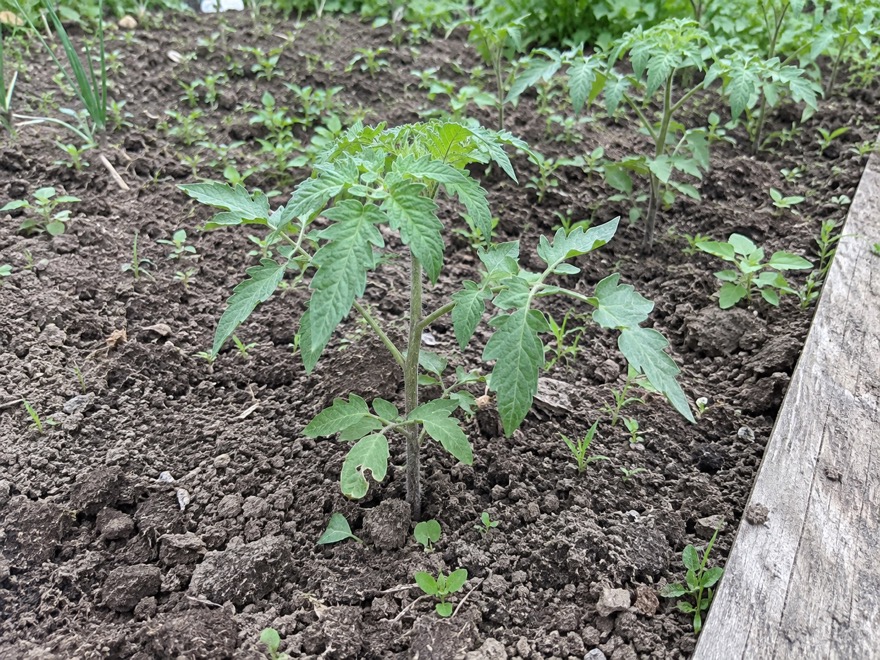
- Transplanted seedlings (tomato, pepper, cucumber, and most vegetable starts) - useful right after moving to a bigger pot or into the ground
- Cold-damaged plants - any vegetable that took a hit from an unexpected frost or cold snap, applied as soon as damage is noticed
- Plants stressed by transport - seedlings or starts that traveled a distance before planting, showing wilting or shock on arrival
This drench is a general-purpose stress rescue tool across most vegetable garden plants rather than being specific to one crop family.
When plants stay stressed despite this drench
If a plant does not bounce back within a couple of days, check three things. Look at how severe the original damage was, since tissue that has actually died from a hard freeze will not recover regardless of any drench, and the plant's energy is better spent on new growth from undamaged parts. Check whether the plant is also dealing with a watering problem, either too dry or waterlogged, since either extreme will mask or undercut any stress-recovery treatment. Finally, confirm you used the correct ammonia concentration, since an accidental overdose from a stronger ammonia product can itself stress the plant further rather than help it.
Try easyDacha to plan around frost and transplant dates
Knowing when a cold snap or transplant date is coming makes stress recovery proactive instead of reactive. easyDacha, a vegetable garden app, calculates your frost dates and transplant windows by ZIP code automatically. Download and try easyDacha.
For related stress recovery, see how to use succinic acid for plant stress relief, hardening off seedlings step by step to prevent transplant shock, and caring for transplanted seedlings in the first two weeks. For a broader look at temperature stress, see drooping tomato plant advice: heat stress versus real trouble, and for another amino acid recovery option, how to make amino acid fertilizer from gelatin.
FAQ
How fast does an ammonium succinate drench work on stressed plants?
Most plants show visible recovery, including perked-up leaves and resumed growth, within 24 to 48 hours if the original stress did not cause permanent tissue damage.
Can I use this drench after a frost damaged my plants?
Yes. Apply it as soon as possible after noticing cold or frost damage, focusing on plants that are stressed but not entirely killed by the freeze.
What ammonia strength should I use for this recipe?
Standard 10% household ammonia, the common cleaning strength found at grocery and hardware stores. Do not substitute a stronger concentration without recalculating the dose down.
Is this the same as using succinic acid alone?
No. This recipe combines succinic acid with ammonia for both an energy boost and an immediate nitrogen source, which is different from using succinic acid by itself for stress relief.
Can I use this drench every time I water my plants?
No. This is a targeted rescue treatment for specific stress events like transplant shock or cold damage, not a routine weekly feeding.
Is there an app that tracks frost dates so I can prepare for cold snaps?
Yes. easyDacha is a garden planner app that calculates your exact frost dates and transplant windows by ZIP code, helping you anticipate stress events in advance.
Can I combine this drench with a calcium supplement on the same day?
Not in the same container or application. Calcium and magnesium products can react with this drench and reduce its effectiveness, so space them out to separate applications.