

Amino acids are the building blocks plants use to make proteins, fight stress, and absorb nutrients. Commercial amino acid fertilizers cost $15 to $30 a bottle. A packet of grocery store gelatin costs about $1 and contains the same two amino acids that matter most: glycine and proline.
TL;DR: Mix about 1 tablespoon (15 g) gelatin with about 1 tablespoon (15 g) citric acid in 1 cup (250 ml) water. Heat to boiling. Cool for 24 hours. Add 3 to 4 tablespoons (45 to 60 ml) of ammonia solution (10% ammonium hydroxide from the pharmacy). Dilute 1 teaspoon (5 ml) per 1 quart (1 L) of water. Use as a soil drench or foliar spray.
The recipe
You need:
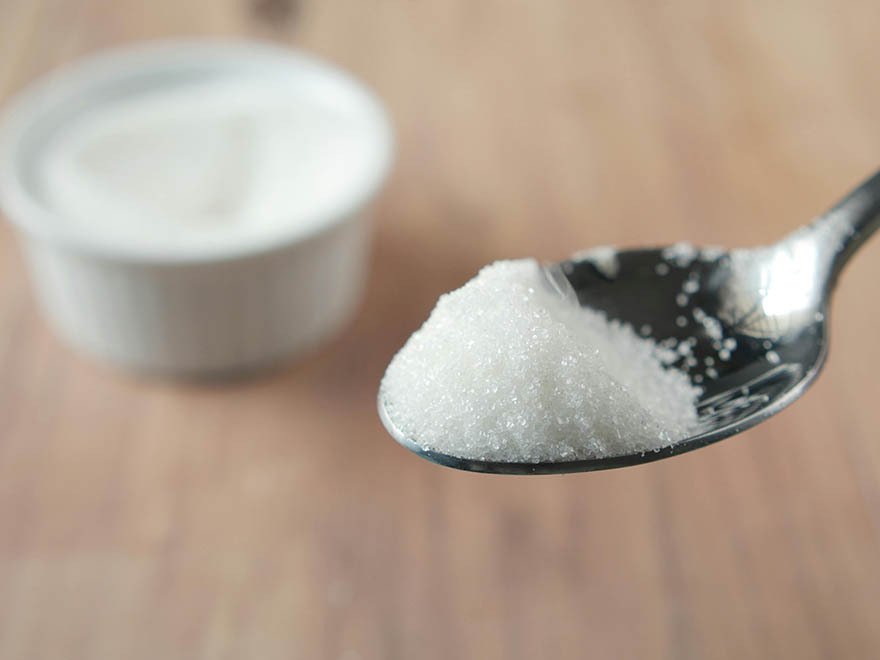
- About 1 tablespoon (15 g) unflavored gelatin powder (any grocery store brand)
- About 1 tablespoon (15 g) citric acid powder
- 1 cup (250 ml) water
- 3 to 4 tablespoons (45 to 60 ml) of 10% ammonia solution (ammonium hydroxide, sold at pharmacies)
- A small pot for heating
- A glass jar for storage
Do it:
- Pour 1 cup (250 ml) of water into a small pot.
- Add about 1 tablespoon (15 g) of gelatin powder and about 1 tablespoon (15 g) of citric acid.
- Stir to combine. The mixture will be lumpy at first.
- Heat on the stove until it reaches a boil. Stir as it heats. The gelatin and citric acid will dissolve completely.
- Remove from heat. Let the mixture cool to room temperature.
- Leave it at room temperature for 24 hours. This rest period allows the acid to break down the gelatin proteins further.
- After 24 hours, add 3 to 4 tablespoons (45 to 60 ml) of 10% ammonia solution. Stir well. The ammonia neutralizes the citric acid and converts the amino acids into ammonium salts that plants absorb faster.
- Pour into a glass jar. This is your concentrate.
Store the concentrate in the refrigerator. It keeps for about 1 week.
How to use it
Soil drench (main use):
Dilute 1 teaspoon (5 ml) of concentrate per 1 quart (1 L) of water. Pour at the base of each plant. Apply every 2 weeks during the growing season. The amino acids feed the root zone and support soil microbes. This works well as a supplement to your regular fertilizer schedule.
Foliar spray (stress recovery):
Same dilution: 1 teaspoon (5 ml) per 1 quart (1 L). Spray leaves top and bottom in the evening. Amino acids absorbed through leaves bypass the root system entirely. Use this after cold snaps, transplant shock, or any visible stress event. Glycine opens calcium channels in leaf cells, which improves how fast the plant absorbs everything from water to micronutrients.
Which plants benefit most
Amino acids help any plant under stress, but some crops respond more noticeably than others.
Best results: Tomatoes and peppers. These cold-sensitive crops stall after transplanting and during temperature swings. Glycine opens calcium channels that prevent blossom end rot. Proline protects cells during cold nights. Apply the soil drench starting one week after transplanting.
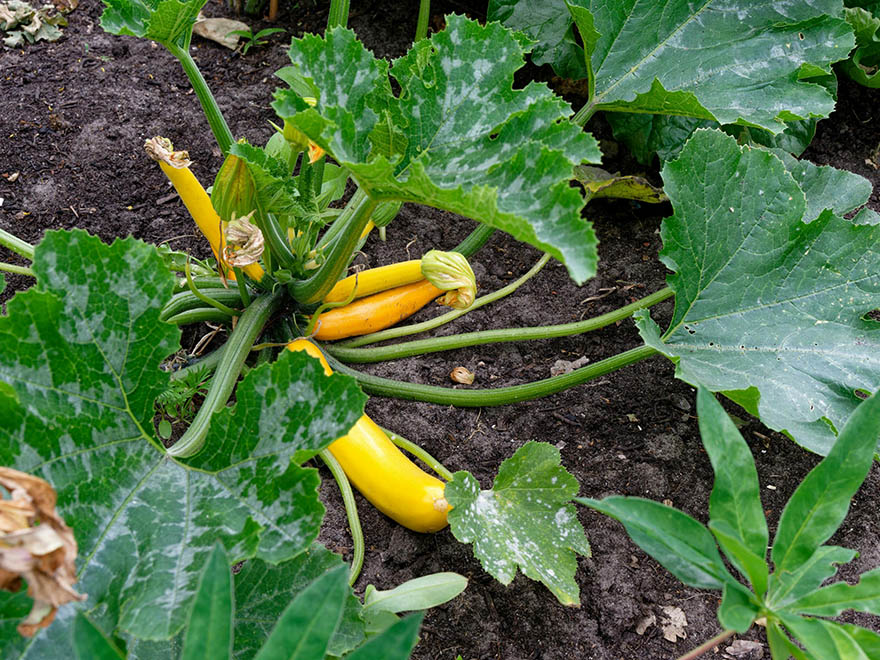
Strong results: Cucumbers, squash, and melons. These fast-growing crops burn through energy quickly during vine expansion. Amino acids supply ready-made protein building blocks, so the plant spends less energy converting raw nitrogen into usable form.
Good results: Seedlings of any kind. A dilute foliar spray (half-strength: 1/2 teaspoon per quart) helps seedlings that have stalled. It also works for light stress symptoms like pale leaves and leggy stems. The amino acids signal the plant to favor root development over upward growth.
Useful for: Strawberries and herbs. Basil, dill, and parsley respond to the foliar spray with faster leaf production. Strawberries benefit from the calcium-channel effect during fruit set.
Less useful for: Root vegetables (carrots, beets, radishes) and hardy greens (kale, spinach). These crops are less stress-prone and rarely benefit enough from amino acid feeding to justify the effort. Use the concentrate on your fruiting crops first.
Why it works
Plants can absorb amino acids directly through their roots and leaves. When a plant takes in glycine or proline from the soil, it skips the energy-expensive step of converting inorganic nitrogen into amino acids internally. This is a metabolic shortcut. The plant gets ready-made building blocks instead of raw materials.
Glycine does two specific things. First, it acts as a natural chelator. It grabs onto micronutrients like iron, zinc, and manganese and holds them in a form that roots absorb easily. Second, glycine activates calcium channels in plant cells. It binds to glutamate-like receptors on cell membranes, triggering calcium influx. More calcium inside the cell means better nutrient transport. This is why glycine helps prevent blossom end rot in tomatoes.
Proline is the stress amino acid. When a plant faces cold, drought, or light stress, proline accumulates inside cells as a protective buffer. It stabilizes proteins and cell membranes under harsh conditions. Gelatin is one of the richest food sources of proline. Heating it with citric acid breaks the protein chains into smaller pieces that plant roots and leaves can absorb.
The ammonia step matters. Citric acid makes the solution acidic. Adding ammonia neutralizes that acid and converts the free amino acids into ammonium salts. These salts dissolve easily in water and enter the plant faster than raw amino acids.
What NOT to do
Do not skip the 24-hour rest. The rest period lets the citric acid continue breaking down gelatin proteins at room temperature. If you use the solution immediately after boiling, the amino acid chains are still too long for plants to absorb efficiently.
Do not overheat. Bring the mixture to a boil, then remove from heat. Extended boiling beyond a few minutes can convert natural L-amino acids into D-amino acids. Plants cannot process D-amino acids. Short boiling is fine. Long cooking is not.
Do not store longer than 1 week. The concentrate contains organic matter that breaks down quickly. After a week, bacterial growth makes it unreliable. Make small batches and use them fresh.
Do not use flavored gelatin. Flavored gelatin (like dessert gelatin) contains sugar, artificial colors, and acids that interfere with the chemistry. Buy plain, unflavored gelatin powder.
Do not apply to bone-dry soil. Water the soil first, then apply the drench. Amino acids need moisture in the soil to move toward roots. Pouring concentrate onto dry soil wastes most of it.
FAQ
What amino acids does gelatin contain?
Gelatin is about 30% glycine and 12% proline by weight. These are the two amino acids most useful for plant stress recovery and nutrient absorption. Glycine acts as a chelator and calcium channel activator. Proline protects cells during cold and drought stress.
How often should I apply gelatin amino acid fertilizer?
Every 2 weeks as a soil drench during the growing season. For stress recovery, apply once as a foliar spray. Follow up with a soil drench 3 to 5 days later.
Can I use this on seedlings?
Yes, at half strength. Dilute 1/2 teaspoon (2.5 ml) per 1 quart (1 L) of water. Spray the foliage or drench the soil. This helps seedlings that have stalled or show signs of stress. Wait until seedlings have at least 2 true leaves before applying.
What does the ammonia do in the recipe?
The ammonia (ammonium hydroxide) neutralizes the citric acid and converts the amino acids into ammonium salts. These salts dissolve better in water and enter the plant faster. It also provides a small dose of nitrogen.
Is this the same as commercial amino acid fertilizer?
The active ingredients overlap. Commercial amino acid products contain a broader range of amino acids from hydrolyzed proteins (soy, fish, seaweed). Gelatin delivers glycine and proline specifically. For general anti-stress and nutrient-uptake support, gelatin covers the two most important amino acids at a fraction of the cost.
Can I mix this with other garden treatments?
Apply it on its own. Do not mix with Bacillus subtilis or Trichoderma in the same bottle. The ammonia can inhibit live cultures. Apply biological treatments on separate days.
Is there a gardening app that schedules amino acid feeding?
Yes. The easyDacha garden planner app schedules feeding tasks by growth stage for your ZIP code. It tracks stress events and tells you when your plants need extra support.
Download the app at easydacha.com/download.
Download the app at easydacha.com/download.
A $1 amino acid upgrade for your garden
Commercial amino acid fertilizers run $15 to $30. A packet of gelatin costs about $1 and gives you the same glycine and proline that stressed plants need most. The recipe takes 10 minutes of active work and 24 hours of waiting. One batch makes enough concentrate for weeks of applications.
The easyDacha gardening app schedules feeding and stress-recovery tasks so you know exactly when to apply.
Try easyDacha app →. The garden planner app that plans your season in 60 seconds. Cancel anytime.
Related reading on easydacha.com
- How to Use Succinic Acid for Plant Stress Relief (Pharmacy Tablet Recipe) — another pharmacy-based stress recovery tool. Succinic acid fuels the Krebs cycle; gelatin amino acids supply protein building blocks. Different mechanisms, same goal.
- Simple Fertilizer Plan for Flowering Vegetables — the full feeding schedule. Amino acid feeding slots in as a supplement alongside your regular NPK.
- How to Make Bioavailable Phosphorus Fertilizer from Bones (Citric Acid Method) — another kitchen-scrap recipe using citric acid. This one delivers phosphorus and calcium from bones.
- Caring for Transplanted Seedlings: First 2 Weeks Critical Care Guide — the transplant recovery protocol. Gelatin amino acid drench fits into week one of aftercare.