
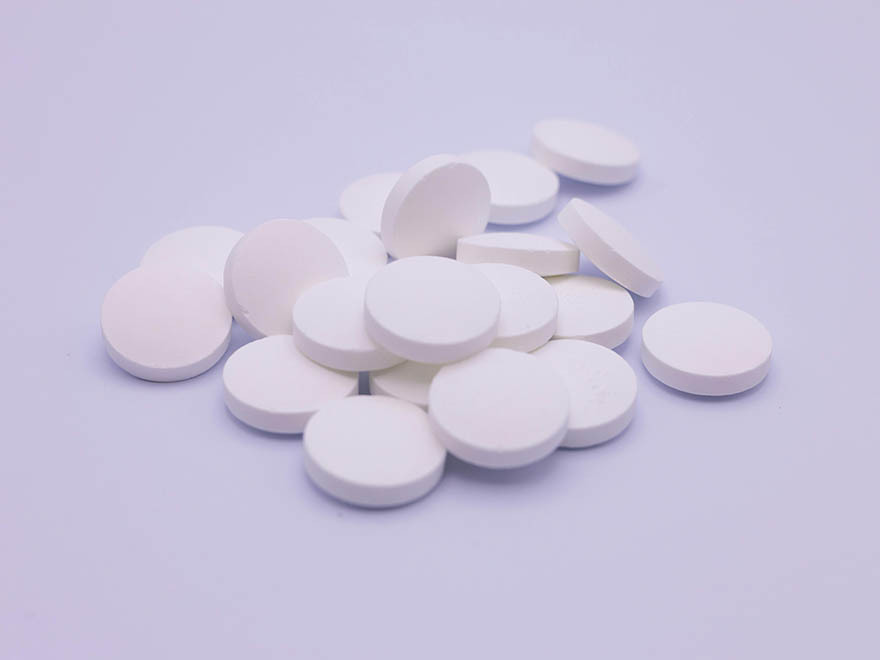
Succinic acid is a $2 pharmacy tablet that restarts a stressed plant's metabolism. Dissolve 1/4 tablet in water. Use it to soak seeds, drench roots after transplanting, or spray leaves after a cold snap. No heating, no fermentation, no special equipment.
TL;DR: Dissolve 1/4 tablet (about 0.025 g) of pharmacy succinic acid in 1 quart (1 L) of water. Seed soak: 24 hours. Root drench after transplanting: 1/2 to 1 cup (100 to 200 ml) per plant. Foliar spray for stress recovery. Prepare fresh each time. Do not store the solution. Avoid using in July and August when late blight risk is high.
The recipe
One concentration. Three uses.
You need:
- 1/4 tablet of pharmaceutical succinic acid, about 0.025 g (standard tablet is 0.1 g)
- 1 quart (1 L) room-temperature water
- A clean jar or watering can
Do it:
- Break a succinic acid tablet into quarters. Each quarter is about 0.025 g.
- Drop one quarter-tablet into 1 quart (1 L) of room-temperature water.
- Stir until fully dissolved. This takes 1 to 2 minutes. No heating needed.
- Use immediately. Do not store the solution. Succinic acid breaks down in water within a few hours.
That is the working solution. Use it three ways:
Seed soak (before planting):
Soak seeds in the solution for 24 hours before sowing. This primes the seed's metabolism for faster, more uniform germination. Drain the seeds and plant immediately. Works well with soaking-friendly seeds like beans, peas, cucumbers, and squash.
Root drench (after transplanting):
Water each transplant with 1/2 to 1 cup (100 to 200 ml) of the solution immediately after planting. This helps roots recover from transplant shock and resume nutrient uptake faster. Apply once at transplanting. Follow up with normal transplant aftercare.
Foliar spray (stress recovery):
Spray leaves top and bottom with the same solution. Use after a cold snap, hailstorm, or any visible stress event. One application is usually enough. If the plant does not respond within a week, spray again.
The ammonium succinate upgrade
Plain succinic acid works. But you can make it work better. Adding a tiny amount of household ammonia converts it into ammonium succinate. The plant absorbs this compound faster and uses it more efficiently for ATP production.
The formula:
- Dissolve 1 full tablet (0.1 g) of succinic acid in a splash of warm water.
- Add 1 ml of 10% household ammonia (about 20 drops).
- Dilute into 1 quart (1 L) of water. Stir.
This creates ammonium succinate. Use it the same way as plain succinic acid: root drench or foliar spray. The ammonium form is especially effective during cold spells when plant roots struggle to process nitrogen from the soil. The ammonium succinate bypasses that limitation and delivers both energy and nitrogen in one step.
For larger batches: Scale up for cold stress emergencies. Dissolve 20 tablets (2 g) of succinic acid in 2.5 gallons (10 L) of water. Add 1 tablespoon (15 ml) of 10% ammonia. Drench every root zone.
When to use it
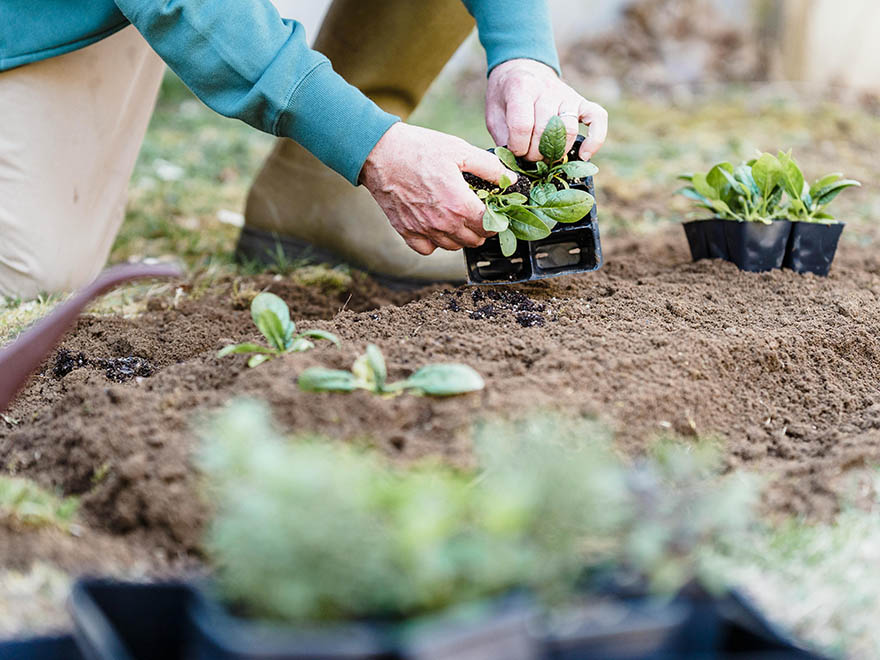
Spring transplanting. Drench roots at planting time. This is the single highest-value use. Transplant shock is the #1 killer of young seedlings in the first two weeks after going outdoors.
After a cold snap. If temperatures drop unexpectedly and your plants show stress signs (wilting, purple stems, stalled growth), drench with ammonium succinate.
Seed soaking. Before planting seeds that benefit from soaking. The metabolic boost leads to faster germination and stronger initial root development.
After hail or storm damage. Foliar spray helps the plant redirect energy toward repair.
Early spring and fall only. This matters. Do not use succinic acid during July and August. During the peak infection period of midsummer, succinic acid becomes food for Phytophthora and Cladosporium pathogens. It accelerates their spread. Use succinic acid before July and after August. During midsummer, rely on biological protectants like Bacillus subtilis and Trichoderma instead.
Which plants benefit most
Succinic acid works on any plant under stress, but some crops respond better than others.
Best results: Tomatoes, peppers, and eggplant. These are the most cold-sensitive transplants in a home garden. They stall hard after going outdoors and recover slowly without help. A root drench at transplanting cuts recovery time noticeably. The ammonium succinate formula is especially effective on these three because it delivers nitrogen even when cold soil shuts down normal root uptake.
Strong results: Cucumbers, squash, zucchini, and melons. These benefit from both the seed soak (24 hours before planting) and the transplant drench. Their large seeds absorb the solution well, and the metabolic boost leads to faster vine establishment.
Good results: Beans, peas, and other legumes. Seed soaking with succinic acid improves germination speed and uniformity. Less dramatic than with nightshades, but still worth doing if you are already mixing a batch.
Useful for herbs and flowers: Basil, marigolds, zinnias, and other warm-season transplants benefit from a single root drench after planting. The effect is subtle but measurable in faster root establishment.
Less useful for: Hardy greens like kale, spinach, lettuce, and Swiss chard. These crops tolerate cold well on their own and rarely experience the kind of metabolic stall that succinic acid corrects. You can use it, but you are unlikely to see a difference. Save your tablets for the crops that actually need help.
Skip entirely for: Garlic, onion sets, and potatoes. Potatoes are the primary host of Phytophthora infestans (late blight). Applying succinic acid near potato plants increases the risk of feeding the pathogen, even in spring. Garlic and onion sets are planted dormant and do not benefit from a metabolic stimulant at planting time.
Why it works
Succinic acid fuels the Krebs cycle, the process that produces ATP inside every plant cell. ATP powers root growth, nutrient uptake, and disease defense. When a plant is stressed by cold or transplant shock, its energy production stalls. A dilute succinic acid drench supplies the Krebs cycle directly and restarts that process.
Purple stems and leaves after transplanting are often misdiagnosed as phosphorus deficiency. Most of the time, it is cold stress. The roots cannot process soil nitrogen in cold conditions, so the plant produces anthocyanins as an antioxidant defense. As the soil warms, the color fades on its own. Succinic acid speeds up this recovery.
One co-factor matters: nicotinic acid (vitamin B3) bridges succinic acid into the Krebs cycle. Without it, the succinic acid goes to waste. Most biologically active soils contain enough. If you grow in sterile potting mix, add a small amount of compost tea alongside the drench.
What NOT to do
Don't use it in July or August. Succinic acid feeds Phytophthora and Cladosporium during peak summer pathogen pressure. This is the most important rule. Spring and fall only.
Don't store the solution. Mix fresh every time. Succinic acid degrades in water within hours. A solution made yesterday is worthless today.
Don't use a full tablet per liter. The recipe calls for 1/4 tablet per quart (1 L). More is not better. Excess succinic acid does not help and can overstimulate growth at the wrong time.
Don't confuse it with fertilizer. Succinic acid is a metabolic stimulant, not a nutrient source. It helps the plant use energy more efficiently. It does not replace feeding. Continue your normal fertilizer schedule.
Don't use prepared succinic acid supplements with additives. Buy plain succinic acid tablets (0.1 g per tablet). Avoid products with added vitamins, flavoring, or fillers. The tablet should contain succinic acid and nothing else. Check the ingredient list.
Where to buy in the US
Succinic acid tablets are sold as dietary supplements in the US. Look for "succinic acid" or "amber acid" on Amazon or iHerb. The standard tablet size is 0.1 g (100 mg). A pack of 50 tablets costs $2 to $4. That is enough for 50 to 200 applications depending on your dilution. One of the cheapest garden inputs you can buy.
Some garden supply stores sell "amber acid plant stimulant" at a premium. The pharmacy version is the same compound at a fraction of the price.
FAQ
What is succinic acid and why do plants need it?
Succinic acid is a natural organic acid found in every living cell. It fuels the Krebs cycle, which produces ATP, the energy currency of the cell. Plants make their own succinic acid, but stressed plants cannot produce enough. An external dose restarts energy production and speeds recovery from cold, transplant shock, or storm damage.
How much succinic acid do I dissolve per liter of water?
One quarter of a standard 0.1 g tablet per 1 quart (1 L) of water. That is about 0.025 g per liter. For the ammonium succinate upgrade, use 1 full tablet (0.1 g) plus 1 ml of 10% ammonia per 1 quart (1 L). Do not exceed these concentrations.
Can I soak seeds in succinic acid before planting?
Yes. Soak seeds in the standard solution (1/4 tablet per quart) for 24 hours before planting. Drain and sow immediately. This primes the seed's metabolism for faster germination. It works especially well for beans, peas, cucumbers, and squash.
Why should I avoid succinic acid in July and August?
Succinic acid is a high-energy compound that feeds not just plants but also pathogens. During midsummer, Phytophthora (late blight) and Cladosporium are at peak activity. Applying succinic acid during this window accelerates their spread. Use it in spring and fall only.
What is the difference between succinic acid and ammonium succinate?
Plain succinic acid enters the Krebs cycle directly. Ammonium succinate does the same thing but also delivers nitrogen in a form the plant absorbs even when soil is cold. You make it by adding a tiny amount of household ammonia to the succinic acid solution. Ammonium succinate is the better choice during cold stress events.
Which plants benefit most from succinic acid?
Tomatoes, peppers, and eggplant see the biggest improvement because they are the most cold-sensitive transplants. Cucumbers, squash, and melons respond well to both seed soaking and transplant drenching. Beans and peas germinate faster after a seed soak. Hardy greens like kale and lettuce rarely need it. Skip it entirely for potatoes, which host the Phytophthora pathogen that succinic acid can feed.
Can I mix succinic acid with other garden treatments?
Succinic acid is compatible with most biological products. It works well alongside Bacillus subtilis and Trichoderma drenches. Do not mix it with strong alkaline solutions like wood ash tea. For complex stress protocols, use the ammonium succinate formula as a standalone drench and apply other treatments separately.
Is there a gardening app that schedules stress prevention tasks?
Yes. The easyDacha garden planner app schedules feeding, watering, and protection tasks by growth stage for your ZIP code. It flags frost risk dates and tells you when to act. Download at easydacha.com/download.
Two dollars, fifty applications

A $2 pack of pharmacy tablets and 2 minutes of mixing. That is the cost of giving every plant in your garden a metabolic safety net. Spring transplants recover faster. Seeds germinate stronger. Cold-stressed plants bounce back. The only rule worth memorizing: not in July, not in August.
The easyDacha gardening app schedules transplanting and stress-prevention tasks by growth stage. It knows your frost dates and sends reminders before the cold hits.
Try easyDacha app →. The garden planner app that plans your season in 60 seconds. Cancel anytime.
Related reading on easydacha.com
- How to Brew Compost Tea the Right Way (Aerated Recipe) — compost tea adds the microbial life that helps succinic acid work. Pair them for maximum effect.
- Caring for Transplanted Seedlings: First 2 Weeks Critical Care Guide — the full transplant aftercare protocol. Succinic acid fits right into week one.
- How to Use Bacillus subtilis with Turmeric (100x Boost Recipe) — your midsummer biocontrol alternative when succinic acid is off-limits.
- Seed Starting Tips: When to Soak Seeds and When to Skip It — which seeds benefit from soaking and which do not. Use succinic acid for the soakers.