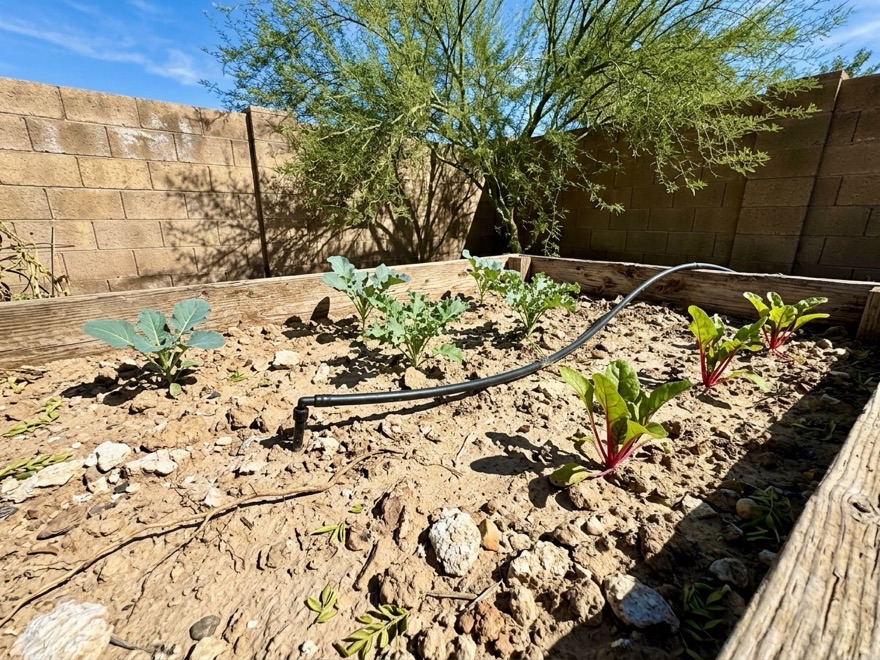
Summer in the low desert wipes out half the garden, and then October arrives with ideal weather. Warm days, cool nights, and warm soil make fall the best planting time of the year. If you are planning an Arizona vegetable garden for fall, here is what goes in now and what waits for spring.
TL;DR: For an Arizona vegetable garden in fall, sow cool-season crops like arugula, beets, broccoli, carrots, kale, lettuce, and spinach in early October. Add herbs by mid-month, and plant garlic in October or November.
Why October is the best month in the low desert
Warm soil and cooling air help seeds germinate fast and transplants root quickly. University of Arizona Extension notes that these conditions also suit trees and shrubs.
Crops planted in September and October often produce through the winter. Crops planted in November through January start slower but build strong roots and then grow quickly as spring warms.
What to plant in early October
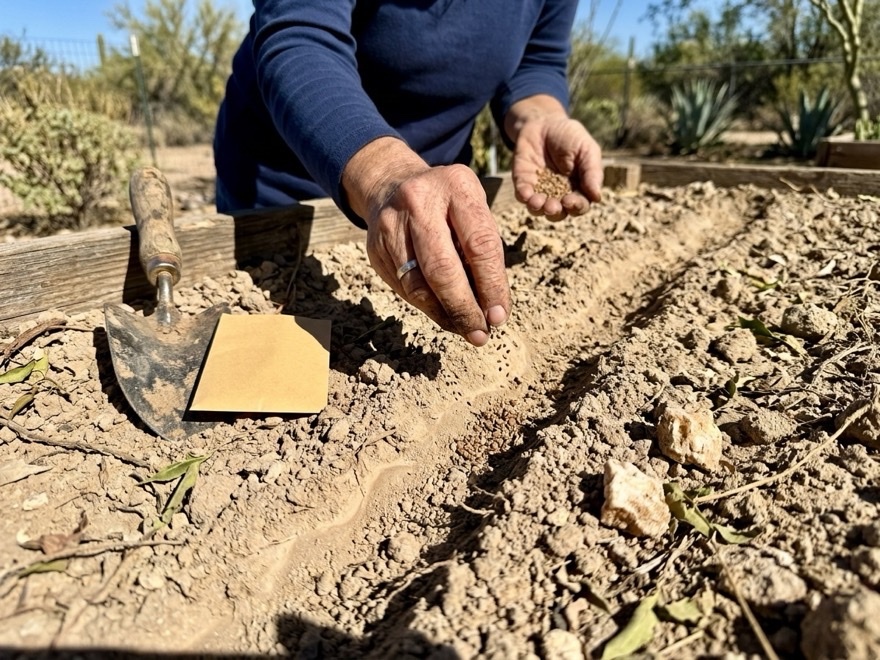
According to University of Arizona Extension, early October is the time to sow seeds outdoors or set out starts of:
- Arugula
- Beets
- Broccoli
- Brussels sprouts
- Cabbage
- Carrots
- Cauliflower
- Chard
- Kale
- Leeks
- Lettuce
- Spinach
- Bok choy
Seeds or transplants? Direct sow leafy greens and root crops, such as lettuce, arugula, beets, carrots, and turnips. Use transplants for kale, cabbage, and other cole crops. Roots like carrots and beets do not like being moved.
Spacing: Give beets and turnips 8 to 10 inches (20 to 25 cm) between plants and carrots about 6 inches (15 cm). Leafy greens can sit closer. Thinned seedlings make a good salad.
What to plant by mid-October
By mid-month, sow seeds of cilantro, dill, Mexican oregano, parsley, sage, rosemary, and thyme.
Save tomatoes, peppers, and cucumbers for spring. They will not finish before winter cold.
How to plant garlic in the low desert
Plant garlic cloves in October or November, once daytime highs are below 90°F (32°C). Set unpeeled cloves 1 to 3 inches (2.5 to 8 cm) deep and about 6 inches (15 cm) apart, and mulch afterward.
Choose softneck types, such as Inchelium Red and artichoke varieties. They are better adapted to mild desert winters. If you want hardneck garlic, chill the cloves before planting. Keep them 6 to 8 weeks in a paper bag in the refrigerator at 32 to 40°F (0 to 4°C). Never put them in the freezer.
Garlic and onions benefit from a light feeding in late spring, around late May or early June. For onions, grow short-day types in Arizona. Our full garlic planting guide goes deeper on depth and spacing.
Care tips for a fall desert garden
Water steadily. New seeds and transplants need even moisture while they establish.
Check sun. Most vegetables need at least 6 hours of direct sun, and fall shadows are longer. Recheck your beds.
Keep frost cloth handy. Light frost can happen on the coldest nights in winter in Tucson and similar areas. Cover lettuce, chard, and new transplants.
Consider a cover crop. If you take a break in winter, grow cereal rye and hairy vetch to protect the soil.
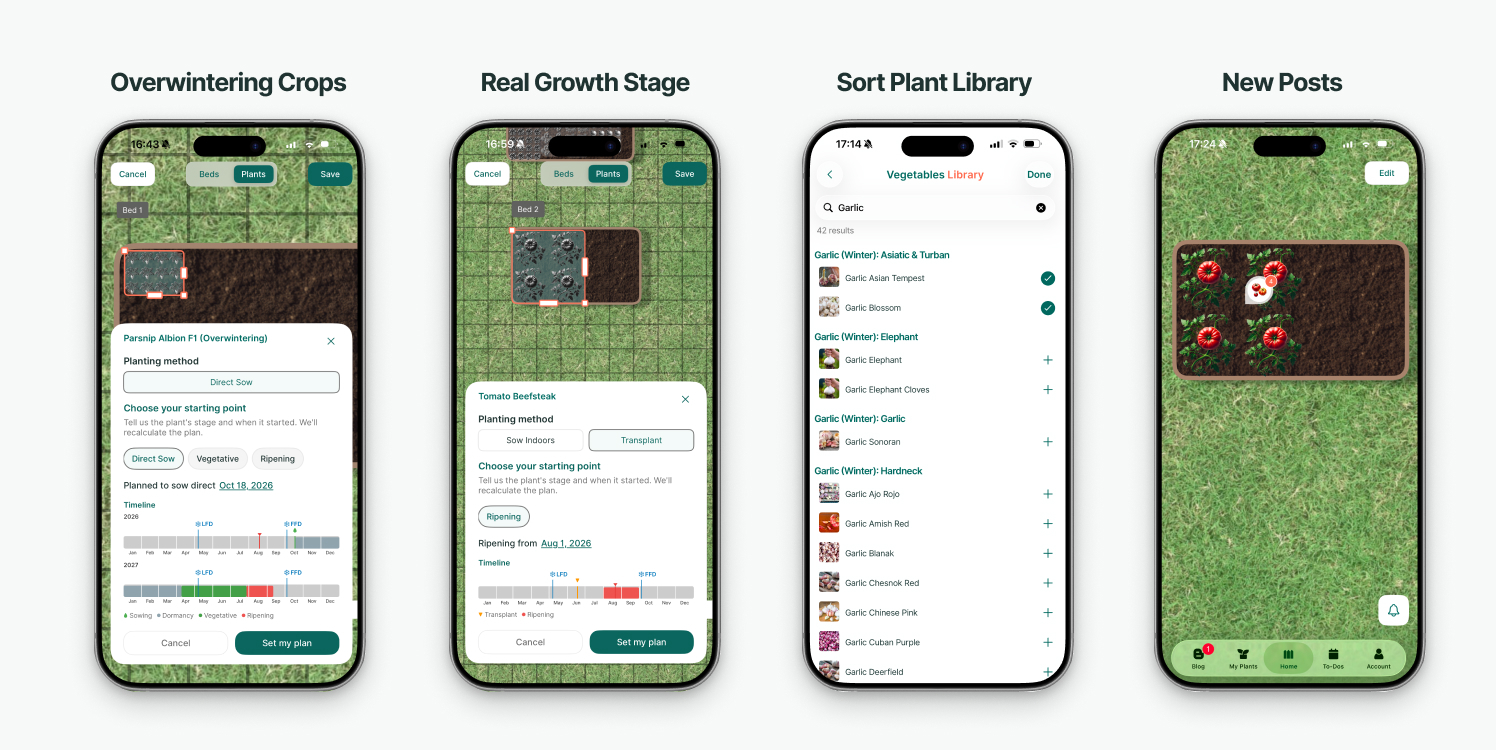
The low desert has two growing seasons, and the dates matter more than anywhere else. easyDacha calculates planting dates from your ZIP code and local frost dates. Draw your beds, containers, or raised beds on the garden map, add plants from the library, and see your next two weeks of tasks. Try easyDacha →
What NOT to do
Do not plant summer crops now. Tomatoes, peppers, and cucumbers belong in spring.
Do not transplant carrots or beets. Sow them where they will grow.
Do not forget shade for fresh seedlings. Warm spells in early fall can stress young plants.
Do not skip hardening off. Greenhouse or indoor starts need to adapt to outdoor sun. See our hardening off guide.
Best for which gardeners
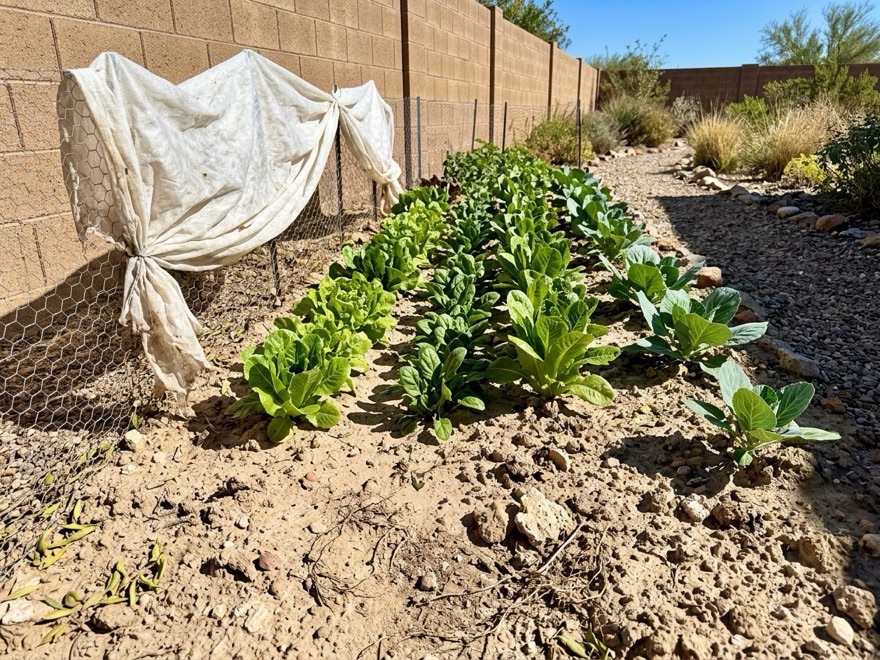
- First fall garden: start with lettuce, spinach, arugula, and radishes. They grow quickly and tolerate small mistakes.
- Container gardeners: most leafy greens and herbs do well in pots. Our balcony vegetable garden guide shows how to set up a small space.
- Want a spring harvest: plant garlic, onions, and brassicas now.
Fall planting follows the same logic across the country. Read planting vegetables for winter and, for another warm region, what to plant in Florida in fall.
When fall seedlings struggle
If new seedlings wilt or burn, the culprit is often leftover heat. Provide temporary shade and water more often. If plants are leggy, see how to stop seedlings from stretching. On very warm days, apply the tips from our heat wave guide.
Start Your Desert Fall Garden on the Right Day
In the low desert, fall timing decides whether a crop thrives or bolts. easyDacha, the gardening app built around your beds and your ZIP code, keeps your dates and tasks in one place. Open the app and your next two weeks of tasks are ready.
FAQ
What can I plant in October in the Arizona low desert?
Arugula, beets, broccoli, Brussels sprouts, cabbage, carrots, cauliflower, chard, kale, leeks, lettuce, spinach, and bok choy early in the month. Add cilantro, dill, parsley, sage, rosemary, and thyme by mid-month.
When should I plant garlic in Arizona?
Plant garlic in October or November, once daytime highs are below 90°F (32°C). Choose softneck types for the low desert.
Should I use seeds or transplants for fall vegetables in Arizona?
Direct sow leafy greens and root crops. Use transplants for cole crops like kale, cabbage, and cauliflower.
Can I still plant tomatoes in October in Arizona?
It is better to wait until spring. Tomatoes, peppers, and cucumbers will not finish before the cold arrives.
Do I need frost protection in the Arizona low desert?
Sometimes. In places like Tucson, light frost is possible on the coldest winter nights, so keep frost cloth ready.
Is there an app that tells me when to plant in Arizona?
Yes. easyDacha is a garden planner app that calculates planting dates from your ZIP code and local frost dates. It then lists your next two weeks of tasks.