You want backyard chickens next to your vegetable beds, but you have seen what a flock does to a garden in ten minutes. They scratch up seedlings, dust-bathe in soft soil, and eat every tomato at ankle height. Good chicken run and vegetable garden setup ideas solve this. Keep the birds close enough to help, and fenced off enough to do no harm. Done right, the chickens turn kitchen scraps and garden waste into fertilizer.
TL;DR: The best chicken run and vegetable garden setup ideas place the run beside or around the beds, keep birds fenced out of growing crops, and compost their manure before it touches anything you will harvest.
Chicken run and vegetable garden setup: plan the layout
1. Site the run next to the garden, not inside it
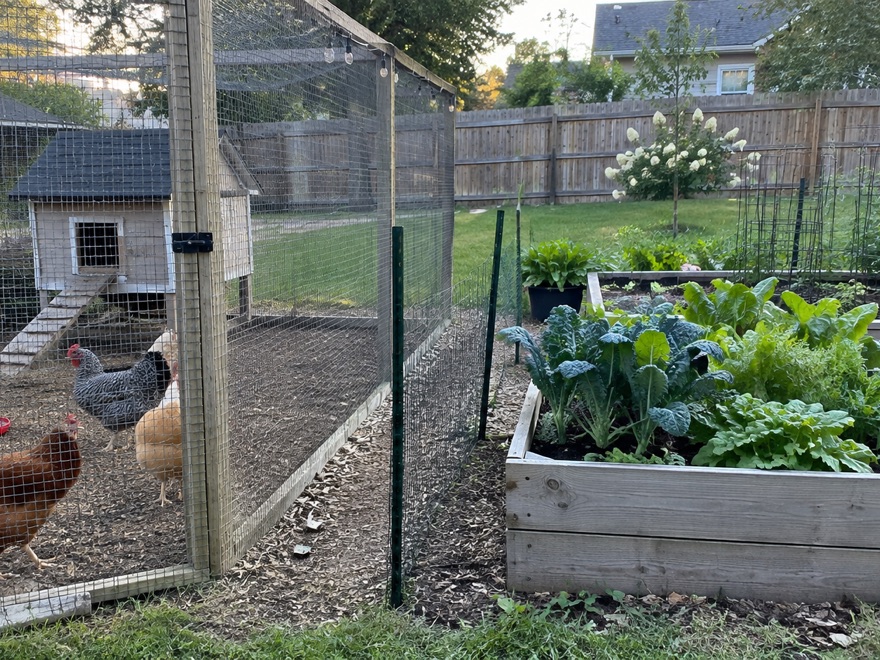
Place the chicken run adjacent to your vegetable beds so the two share a fence line. This keeps the birds close for easy chore trips and lets you toss garden trimmings straight over the fence. It also keeps their scratching and manure contained.
A popular layout wraps a narrow run around the outside of the garden, sometimes called a chicken moat. The birds patrol the perimeter while the crops stay safe inside. Map the shared fence before you build, the same way our garden planning guide walks through planning a plot.
2. Fence chickens out of the beds
To keep chickens out of vegetable garden beds, use a fence at least 4 feet (1.2 m) tall. Many breeds fly over anything shorter. Bury the base or add a bent flap to stop digging under the wire. Keep the gate on the garden side self-closing, because most flock breaches happen through an open gate.
3. Let the birds work on your schedule
The smartest chicken and garden layout lets birds into the beds only when nothing is growing. Open the garden to the flock in late fall after harvest. They clear pests, weed seeds, and spent plants while tilling the top inch of soil. Close it off again before spring planting.
During the season, keep them in the run or moat. A movable run, sometimes called a chicken tractor, lets you park the flock over a fallow bed for a week, then move it on. This is the core of how to integrate chickens with a vegetable garden without losing crops.
4. Compost the manure before it reaches your crops
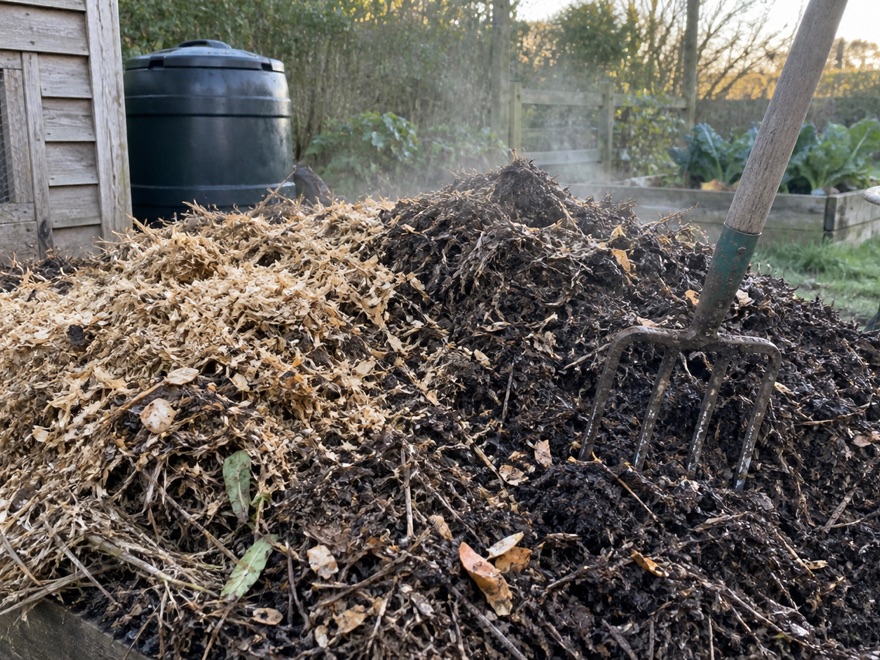
Fresh chicken manure is too strong for plants and can carry pathogens, so never spread it raw on beds near harvest. Mix manure and bedding into a compost pile and let it break down for three to four months before using it. Finished compost can also feed beds when brewed into a compost tea.
If you apply aged manure directly, follow food-safety intervals. Wait 90 days before harvest for crops whose edible part does not touch the soil, like tomatoes, peppers, and corn. Wait 120 days for crops that touch the soil, like lettuce, carrots, and root vegetables. Composting first is simpler and safer for most gardeners.
Why the two systems help each other
Chickens and a vegetable garden form a loop where each feeds the other. The garden sends weeds, bolted greens, and bug-damaged produce to the flock. The flock turns that into eggs and manure, and the composted manure feeds the next crop. Pairing it with a simple fertilizer plan keeps fruiting crops fed.
Chickens also cut your pest load when penned in the right spot. A perimeter run intercepts slugs, beetles, and weed seeds before they reach the beds. That pairs well with encouraging beneficial insects inside the garden, which our ladybug guide covers.
What NOT to do
- Do not let chickens roam the beds during the growing season. They will scratch out seedlings and eat low fruit within minutes.
- Do not spread fresh manure on crops you will harvest soon. Compost it or observe the 90 and 120 day intervals.
- Do not build a fence under 4 feet tall. Most breeds clear a low fence with ease.
- Do not site the coop uphill of your well or a creek. Runoff from a run carries manure.
Best for which setups
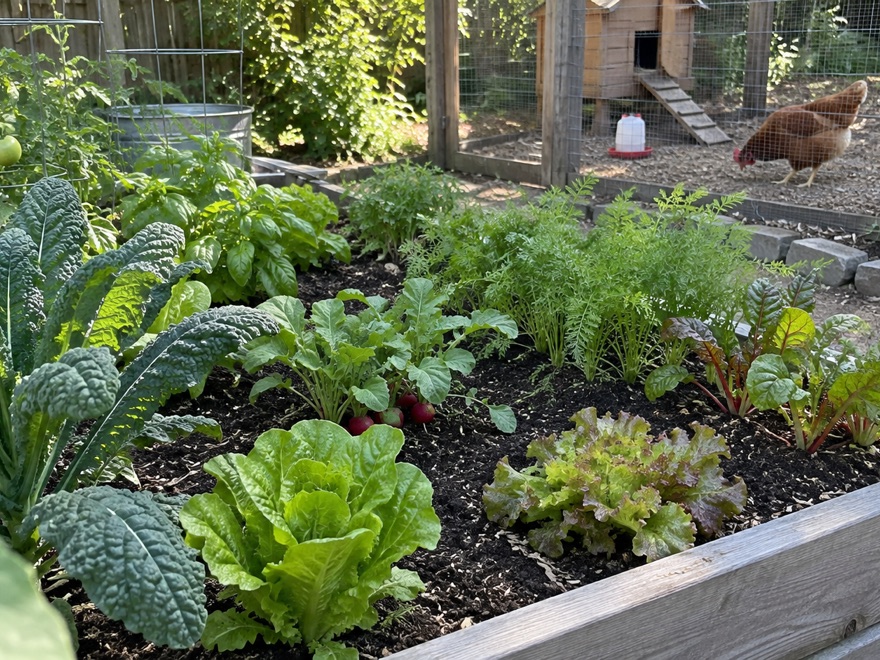
- Large yards and homesteads: A chicken moat around the whole garden gives the most pest control and the easiest waste loop.
- Small suburban lots: A fixed run beside one or two raised beds keeps things tidy and close.
- Renters or tight spaces: A movable chicken tractor parks over a fallow bed and moves on.
- Cold regions in USDA zones 4 and 5: Site the run for winter sun and wind protection, and compost manure through the cold months.
When chickens keep getting into the garden
If birds still breach the beds, check the gate, the fence base, and whether a few strong fliers are the problem. Add a spring closer, reinforce low spots, and clip one wing on persistent fliers. A quick layout fix usually ends the raids.
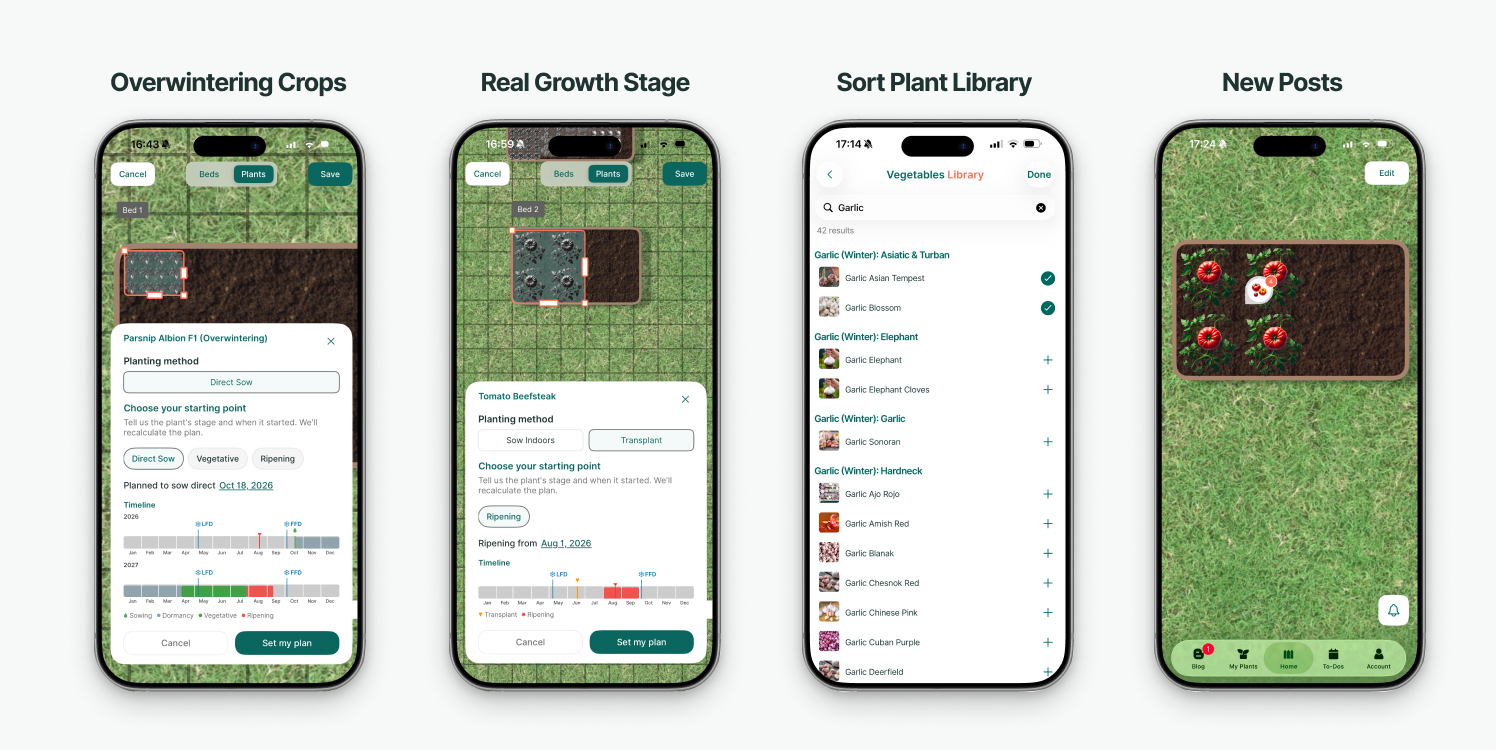
easyDacha builds a full care plan and a two-week task list for your beds. The garden planner app schedules soil-prep and feeding tasks by growth stage and keeps compost timing lined up with planting. Try easyDacha. New to planning beds? Start with our vegetable gardening guide.
FAQ
What are the best chicken run and vegetable garden setup ideas?
Place the run beside or around the beds so the two share a fence. Keep birds fenced out of growing crops with a 4-foot barrier. Compost their manure before it touches anything you harvest.
How do I keep chickens out of my vegetable garden beds?
Use a fence at least 4 feet tall, bury the base, and add a self-closing gate. Let chickens into the beds only after harvest.
How do I integrate chickens with a vegetable garden safely?
Keep the flock in a run or moat during the season. Let them into the beds only at season end. Compost manure for three to four months first, or follow the 90 and 120 day pre-harvest intervals for aged manure.
Is chicken manure safe to use in a vegetable garden?
Composted chicken manure is safe and makes excellent fertilizer. Raw manure is too strong and can carry pathogens, so compost it first. If aged manure is applied directly, wait 90 days for above-ground crops and 120 days for crops that touch the soil.
Is there an app that helps plan a garden with chickens?
Yes. easyDacha is a garden planner app that builds a care plan and a two-week task list for your beds, scheduling soil-prep and feeding tasks by growth stage.
How far should a chicken run be from vegetable beds?
Right next to them is fine, as long as a solid fence separates birds from crops. Keep the run downslope from any well or water source so runoff does not reach it.