Your sweet potato slips are ready, but the soil is still too cold to plant. Maybe life got in the way and you cannot get them in the ground yet. Slips look fragile, and a day on the counter leaves them limp and scary-looking. Knowing how to store sweet potato slips keeps them alive and growing until the moment is right. The whole trick is one word: moisture.
TL;DR: To store sweet potato slips, keep the roots constantly moist by heeling them into damp soil or standing them in water, and hold them somewhere warm and bright until your soil reaches 65°F (18°C) for planting.
Why moisture is everything
Dehydration is the biggest threat to a slip, far more than a cool room. A slip is a rooted or rooting cutting, and its stems and leaves lose water fast with no soil to draw from. A wilted slip can often recover if you rehydrate it quickly, but a fully dried one is gone.
Keep the roots wet and the plant shaded from harsh sun and wind. Do that, and slips hold for weeks. Everything below is just a way to keep the roots moist while the top gets light.
Three ways to store sweet potato slips
1. Heel them into soil (best for more than a few days)
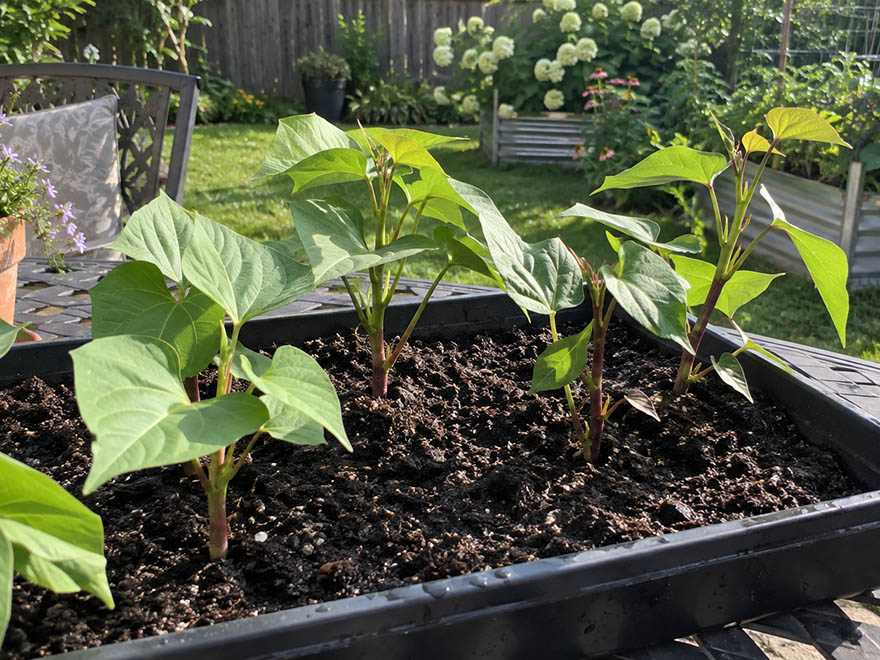
The most reliable method is to plant the slips temporarily in soil. Fill a deep tray or pot with moist potting mix and set the slips in so the roots and lower stem are buried. A tray about 4 inches (10 cm) deep gives the roots room to spread.
Keep the soil moist but not soggy, and place the tray in bright, indirect light. The slips keep rooting and growing while they wait. This is the closest thing to planting, so it causes the least stress when you finally move them to the garden.
2. Stand them in water (best for short holds and more rooting)
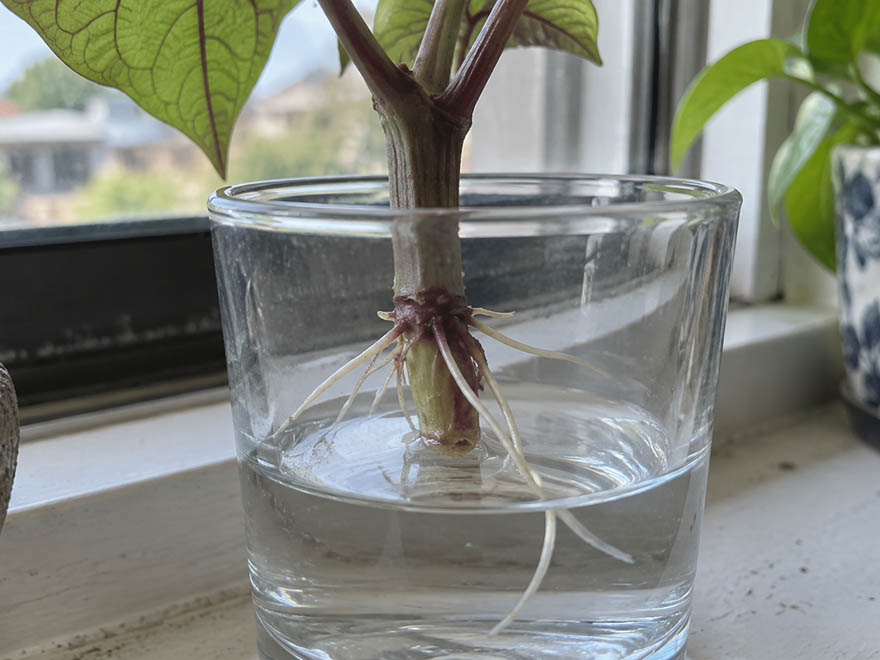
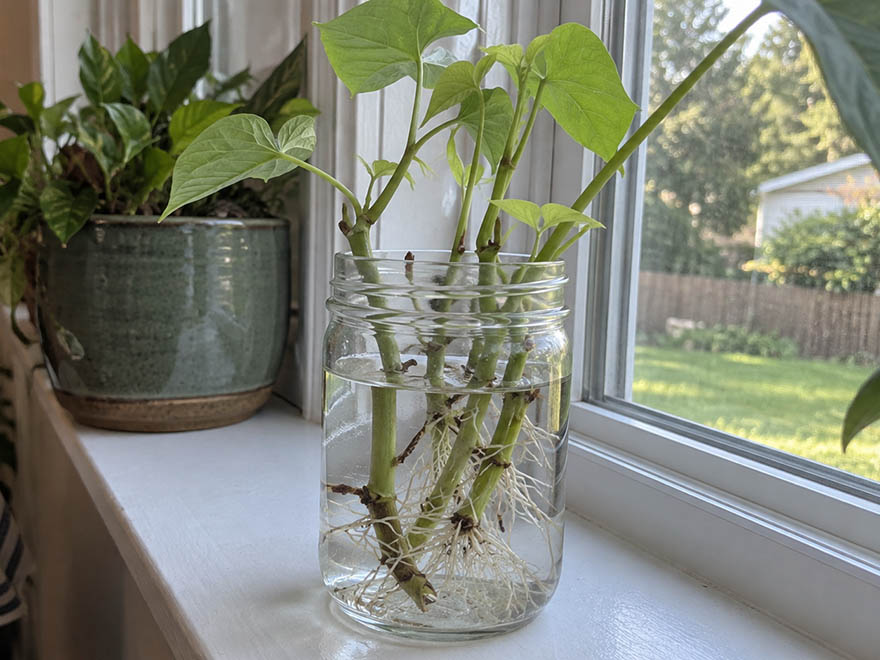
Storing sweet potato slips in water is simple and lets you watch the roots grow. Stand the slips in a jar so the bottom of each stem sits in water, with the leaves above the rim and dry. Change the water every couple of days to keep it fresh.
Roots will thicken in the jar, and you can plant straight from water once the soil warms. Do not submerge the leaves, since wet foliage rots. This method works best for a week or two.
3. Wrap the roots for a very short delay
If you only need a day or two, wrap the root ends in a damp paper towel. Keep the leaves and stems above the roots dry, stand the bundle upright, and set it at room temperature out of direct sun and wind. This holds a slip briefly but is not for long storage.
Move to soil or water as soon as you can. A paper-towel hold buys time; it does not keep slips thriving.
What to do if slips started too early
If your sweet potato slips started too early, do not panic and do not plant into cold soil. Cold soil stunts sweet potatoes and can rot the slips. Pot them up instead and grow them on in bright light until conditions are right.
Pinch back any long, leggy stems to keep the slips compact and strong. Water steadily and give them the brightest spot you have. Well-grown slips waiting in pots often outperform ones rushed into cold ground. Our when to transplant seedlings guide covers reading conditions instead of the calendar. Our how to care for vegetable seedlings indoors guide covers the same bright-light, steady-water approach.
When to plant them out
Sweet potatoes are a warm-season crop and hate cold soil. Plant slips only after all danger of frost has passed and the soil has warmed to about 65°F (18°C). In USDA zone 9 and zone 10 that can be early spring. In USDA zone 5 and zone 6 you may wait until late spring or early summer.
Ease them outdoors gradually, the same way you would when hardening off seedlings. Check your soil temperature with a simple probe thermometer rather than guessing by the calendar. Timing to soil warmth, not the date, is the single biggest factor in a good sweet potato crop. Our when to plant seedlings guide explains why soil temperature beats the calendar.
What NOT to do
Do not let the roots dry out. A dried slip rarely recovers. Keep roots in moist soil or water at all times.
Do not plant into cold soil. Sweet potatoes stall and rot below 65°F. Hold the slips and wait for warmth.
Do not submerge the leaves in water. Wet foliage rots fast. Only the stem base and roots belong in water.
Do not leave leggy slips unpinched. Long, weak stems make weak plants. Pinch them back while they wait.
Best for which situations
Match the storage method to your delay:
- A day or two: damp paper towel around the roots, kept cool and shaded.
- One to two weeks: a jar of water, changed every couple of days, in bright indirect light.
- Several weeks or slips started too early: heel them into a deep tray or pots of moist soil and grow them on.
- Small-space and balcony growers: a single deep pot on a bright windowsill holds a batch of slips until planting time.
When slips keep wilting
If slips keep wilting even in storage, check three things. First, confirm the roots are actually moist, since a dry tray or an empty jar is the usual cause. Second, move them out of direct afternoon sun, which scorches tender leaves. Third, make sure the storage spot stays warm, because cold slows recovery. A wilted slip that still has firm stems usually perks back up within a day once rehydrated. New to warm-season crops? Our vegetable gardening for beginners guide covers the basics, and how to grow carrots indoors shows another root-crop approach.
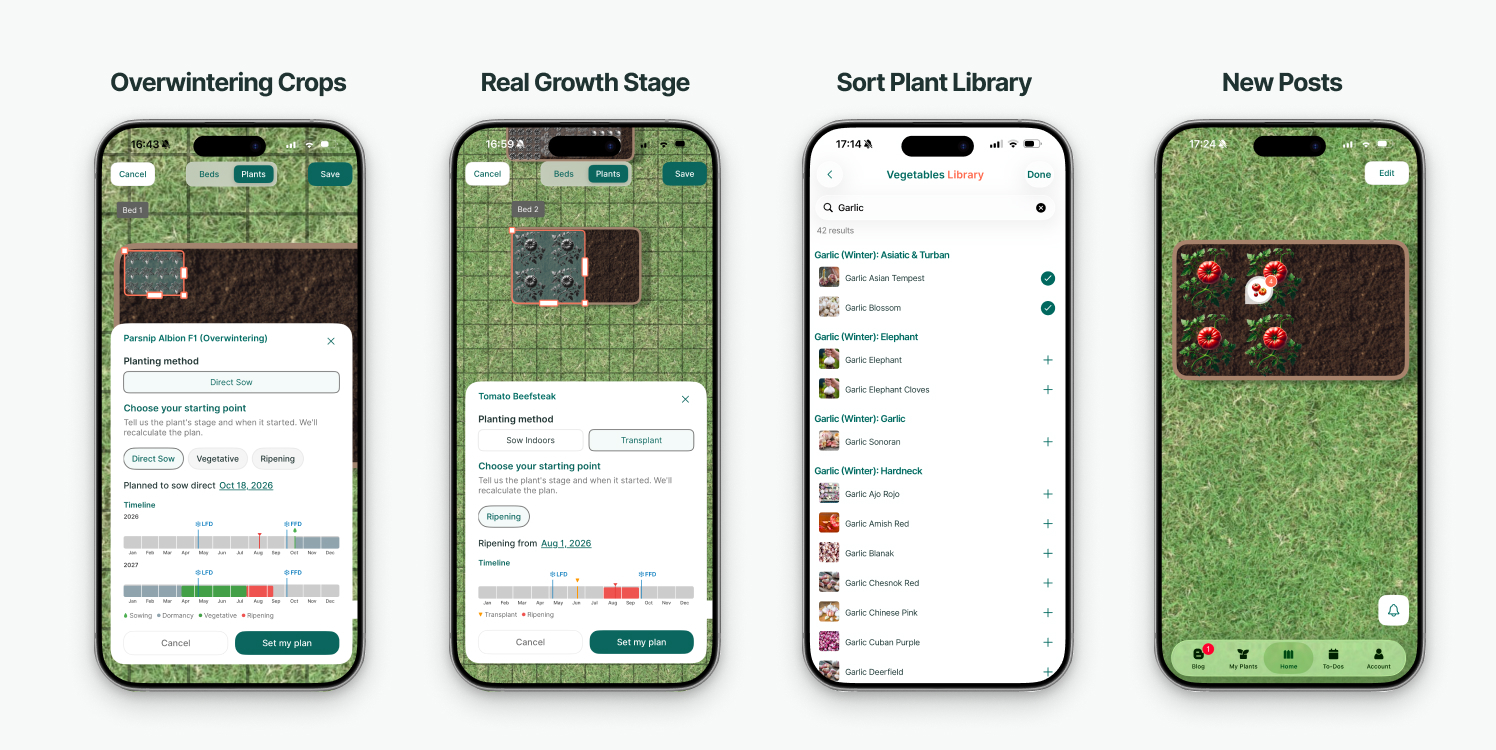
Timing the plant-out to soil warmth is where a schedule helps. easyDacha calculates your planting dates from your ZIP code and local frost dates. The garden planner app tells you when your soil is likely warm enough for sweet potatoes. Download and try easyDacha. You can also add sweet potatoes as a custom plant and get a full care plan.
FAQ
How do you store sweet potato slips before planting?
Keep the roots moist at all times. For a few days, wrap the root ends in a damp paper towel. For a week or two, stand the slips in a jar of water. For longer, heel them into a deep tray of moist soil and grow them on in bright light until the soil warms.
Can you store sweet potato slips in water?
Yes. Storing sweet potato slips in water works well for a week or two. Stand the stem bases in a jar with the leaves above the water, and change the water every couple of days. Roots thicken in the jar, and you can plant straight from water once the soil warms.
My sweet potato slips started too early, what should I do?
Pot them up in moist soil and grow them on in the brightest light you have, and do not plant into cold ground. Pinch back long, leggy stems to keep them compact. Well-grown slips waiting in pots often beat slips rushed into cold soil below 65°F.
How long can sweet potato slips survive out of the ground?
With moist roots and shade, slips hold for weeks. In just water or damp paper towel they last one to two weeks comfortably. Heeled into soil they keep growing indefinitely until you plant them. Dryness, not time, is what kills them.
Is there an app that tells me when to plant sweet potatoes?
Yes. easyDacha is a garden planner app that calculates planting dates from your ZIP code and local frost dates. The gardening app flags when your soil should be warm enough for sweet potatoes. You hold your slips until the right moment instead of guessing.
What temperature does soil need to be to plant sweet potato slips?
Plant sweet potato slips once the soil warms to about 65°F (18°C) and all frost danger has passed. Cold soil stunts the plants and can rot the slips. Check soil temperature with a probe thermometer rather than going by the calendar.