
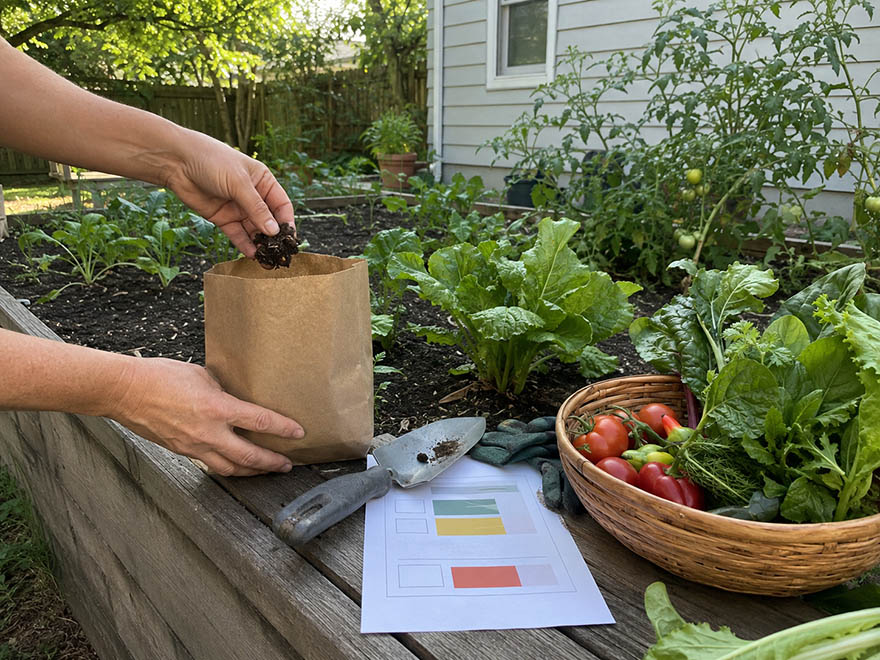
You just read that old city lots can hold lead, and now the tomatoes you were proud of feel like a question mark. That fear is fair, and it is common in older neighborhoods. The good news is that lead in garden soil rarely moves into the part of the vegetable you eat. Most of the real risk comes from soil dust on the plant and on your hands, and both are easy to control.
TL;DR: Lead in garden soil is mostly a contact risk, not an uptake risk. Test your soil first, keep beds below 100 to 400 ppm, grow fruiting crops like tomatoes and peppers, wash produce well, and use raised beds with clean soil where levels run high.
The safe-gardening protocol
Follow these steps in order. They move you from worried to safe without ripping up the whole yard.
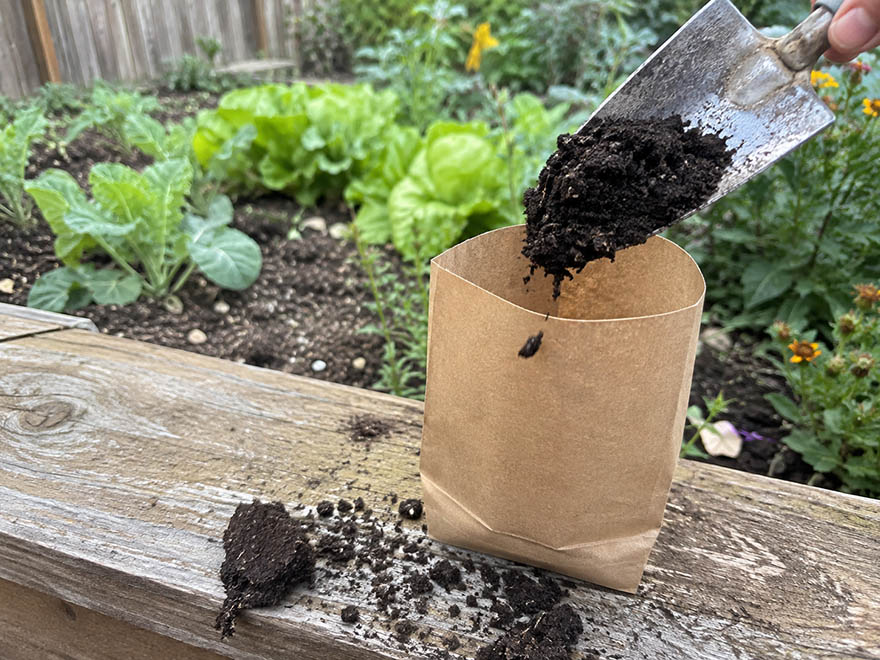
Step 1. Test your soil. A soil lead test is cheap and worth it. Send a sample to a university soil lab for about $15 to $30. Ask for total lead in parts per million (ppm). Sample the top 6 inches (15 cm) of each bed, since that is your root zone.
Step 2. Read your number against these ranges.
- Below 100 ppm: low concern. Garden normally.
- 100 to 400 ppm: moderate. Grow food with the precautions below.
- Above 400 ppm: elevated. Use raised beds with clean soil and skip in-ground leafy greens and root crops.
Step 3. Match the crop to the level. Fruiting crops carry the least lead. Leafy greens and root crops carry the most. More on this below.
Step 4. Lower the exposure. Add compost, keep soil pH near 6.5 to 7, mulch to cut dust, wash everything, and wash your hands. Each step is small. Together they do most of the work.
What the lead numbers actually mean
Screening levels tell you when to look closer, not when food becomes poison. In 2024 the EPA lowered its residential soil lead screening level from 400 ppm to 200 ppm, and to 100 ppm where a property has several lead sources. A screening level is a trigger for more investigation, not a hard line for garden safety.
For vegetable gardens, most university extension guidance lands in a similar place. Soil under about 100 ppm is low concern. Between 100 and 400 ppm you can grow food safely with a few habits. Above 400 ppm, move your edibles into raised beds filled with clean soil. Knowing your safe soil lead levels turns a scary headline into a simple plan.
Lead does not break down. It stays in the soil for decades. That sounds grim, but it also means a stable number you can manage year after year once you know it.
Which vegetables are safe to eat?
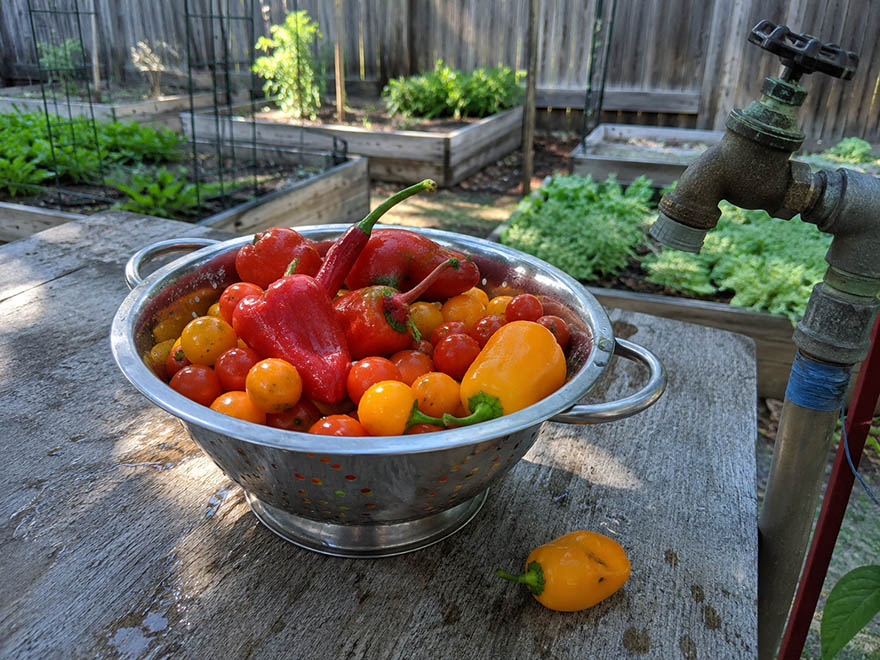
Fruiting crops are the safest choice in soil with some lead. Tomatoes, peppers, squash, cucumbers, beans, corn, and eggplant move very little lead into the fruit itself. The plant keeps most of it in the roots. So is it safe to eat vegetables grown in contaminated soil? For fruiting crops, with washing, the answer is usually yes.
Root crops and leafy greens deserve more caution. Carrots, beets, radishes, lettuce, spinach, and kale hold more lead, partly in the tissue and partly as fine soil clinging to the surface. In soil above 100 ppm, grow these in raised beds with clean soil instead.
Herbs sit in the middle. Wash them hard, or grow them in pots. When growing vegetables in urban soil, a mix works well: fruiting crops in the ground, greens and roots up in fresh soil. Placing those beds where they get enough light matters too, and our garden sun mapping guide helps you find the right spots.
Why washing and dust control matter most
The biggest exposure is not the plant. It is the soil itself. Fine soil particles land on leaves, splash onto low fruit, and stick to your hands and tools. That dust carries far more lead than the plant ever absorbs.
This is why simple habits matter so much. Mulch keeps soil from splashing up during rain and watering. Washing removes the particles that do land. Peeling root crops and pulling off the outer leaves of greens removes another layer. None of this is hard, and it addresses the real risk directly.
Keeping soil pH near 6.5 to 7 also helps. Lead is less available to plants in that range. A quick lime application raises low pH, and our guide to soil acidity and how to change it walks through it. Adding organic matter helps too. A steady supply of compost, like the vermicompost from a simple worm bin, binds lead and feeds your beds at the same time.
Is this safe for my kids to help with?
Yes, with the same habits you already use for yourself. Children are more sensitive to lead, so the dust rules matter more, not less. Have them wash hands after digging. Keep play areas away from bare soil near old painted walls, and add mulch so there is less loose dust.
Keep beds away from the drip line of an old house and away from busy roads. Old exterior paint and decades of road exhaust are the two most common sources of lead in garden soil in a yard. A raised bed set a few feet from the foundation sidesteps both.
What NOT to do
Do not skip the soil test. Guessing keeps you anxious and can leave a real problem unfound. One test settles it.
Do not grow leafy greens or root crops in high-lead ground. These are the crops that carry the most. Put them in raised beds for contaminated soil with fresh mix.
Do not rototill bare, dusty soil on a dry day. Tilling throws lead dust into the air you breathe. Water first, or sheet mulch instead.
Do not plant edibles right against an old painted foundation. That strip holds the highest lead in most yards. Grow flowers there instead.
Best for which plants
- Fruiting crops (tomato, pepper, squash, cucumber, bean, corn, eggplant): Safest in soil with moderate lead. Wash before eating.
- Root crops (carrot, beet, radish, potato): Grow in raised beds with clean soil above 100 ppm. Peel before eating.
- Leafy greens (lettuce, spinach, kale, chard): Most sensitive. Raised beds or containers with fresh soil.
- Herbs and container plants: Pots with clean potting mix remove the question entirely.
When high lead keeps you stuck
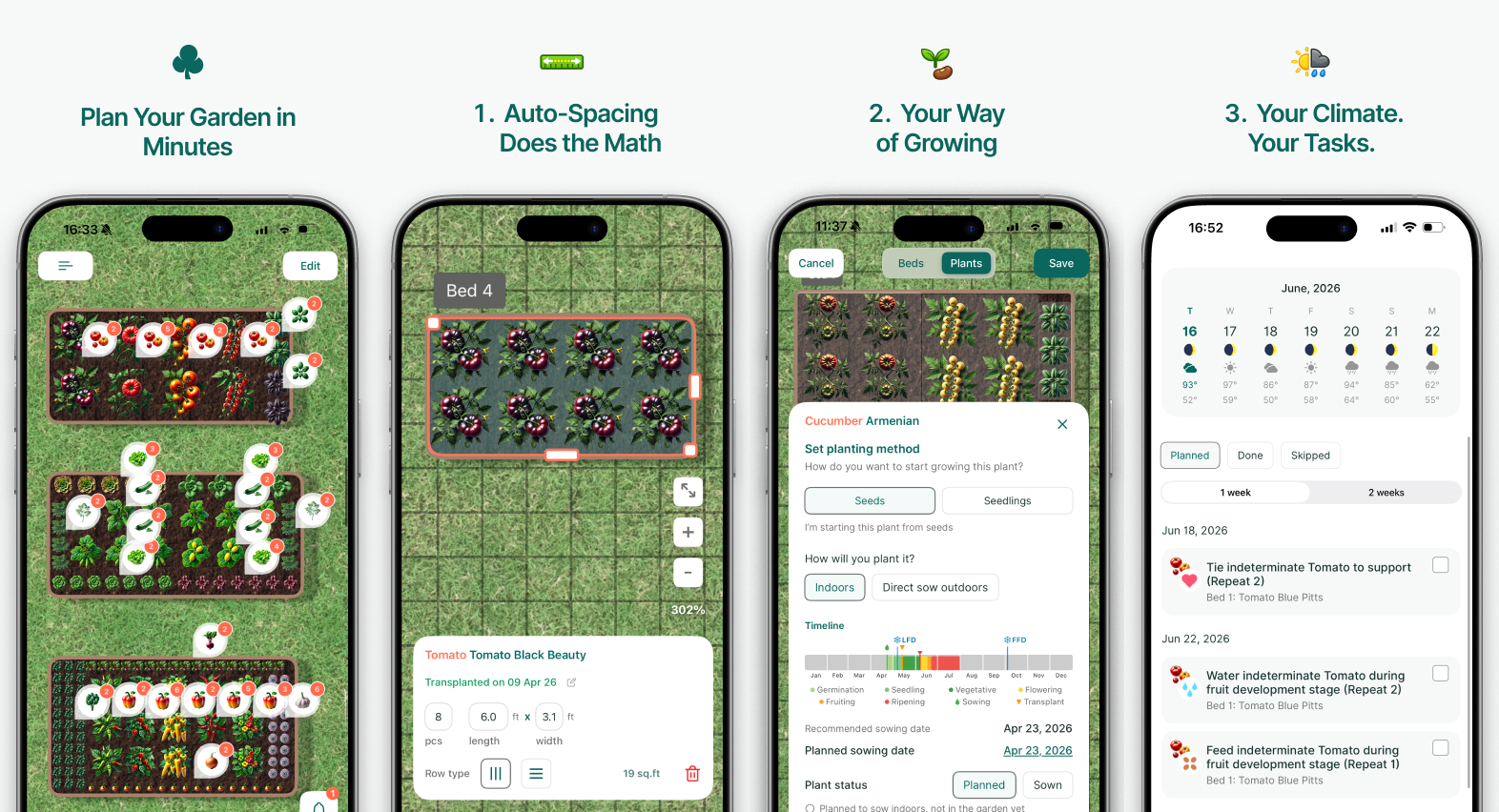
If your test comes back high and raised beds feel like a lot, start small. Check three things. First, is the worst reading near an old wall or road, so you can simply move beds away. Second, can you cap the area with landscape fabric and 6 inches (15 cm) of clean soil in a frame. Third, are you growing the right crops for your number. Fixing those three usually clears the path. For a first food garden on tricky ground, our step-by-step guide for a first vegetable garden helps you plan the layout. easyDacha lets you draw those raised beds on a garden map and auto-spaces the right crops for each one. The garden planner app then builds a two-week task list, so soil prep, mulching, and feeding all land on schedule. Plan your beds in easyDacha.
FAQ
What are safe soil lead levels for a vegetable garden?
Soil below 100 ppm is low concern for food gardening. Between 100 and 400 ppm, grow vegetables with washing and dust control. Above 400 ppm, use raised beds with clean soil for edibles. The EPA lowered its residential screening level to 200 ppm in 2024, but that is a trigger to investigate, not a garden cutoff.
Is it safe to eat vegetables grown in contaminated soil?
For fruiting crops like tomatoes, peppers, and squash, yes, once washed. These plants move very little lead into the fruit. Root crops and leafy greens hold more, so grow those in raised beds with clean soil when lead is present.
Does washing vegetables remove lead?
Washing removes the soil dust that carries most of the lead risk. Rinse under running water, scrub root crops, and peel them. Pull the outer leaves off greens. This addresses the main exposure, which is surface soil, not tissue uptake.
How do I get a soil lead test?
Send a sample to a university soil testing lab. A soil lead test costs about $15 to $30 and reports total lead in ppm. Sample the top 6 inches (15 cm) of each bed separately so you know which areas are clean.
Can I fix lead in garden soil?
You cannot remove lead, since it does not break down. You can lower the risk. Add compost and organic matter, keep pH near 6.5 to 7, mulch to cut dust, and cap the worst spots with clean soil in raised beds. These steps make growing vegetables in urban soil safe in practice.
Is there an app that helps me plan a safe raised-bed garden?
Yes. easyDacha is a garden planner app that lets you draw raised beds on a map and fills each one with the right plants and spacing. It builds a full care plan and a two-week task list for your exact location. You can lay out clean-soil beds for the crops that need them, and keep the rest of the yard for fruiting crops.