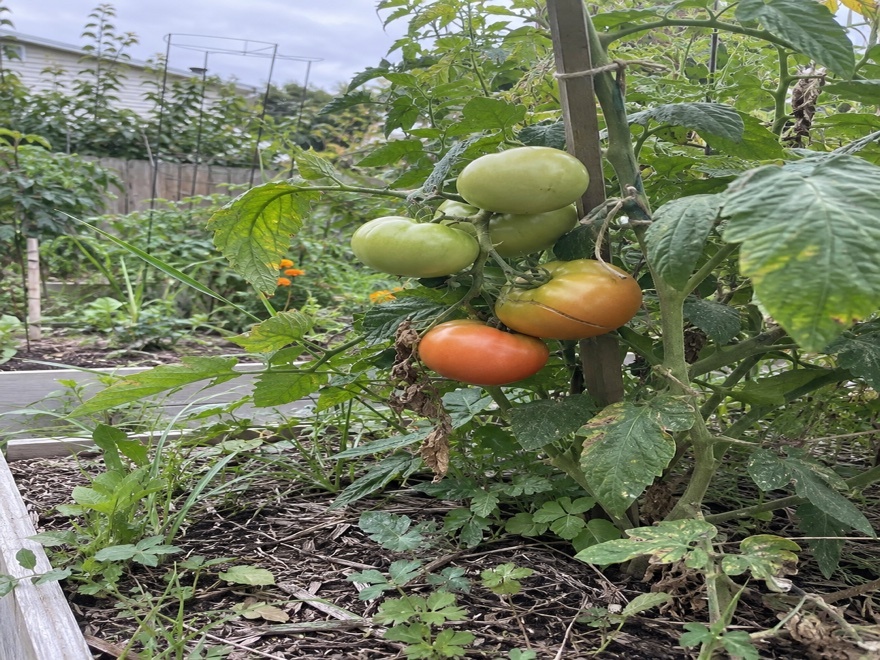
Nights are getting cooler, dew is sitting on the leaves longer into the morning, and you know what that combination means for tomatoes: late blight risk climbs fast in late summer. A mineral foliar spray built from monopotassium phosphate, potassium sulfate, and Epsom salt does two things at once. It nudges the plant's hormones toward ripening instead of more vegetative growth, and it strengthens leaf and fruit tissue against the blight pressure building outside.
TL;DR: For late blight prevention with a mineral spray, mix monopotassium phosphate, potassium sulfate, and Epsom salt in water and spray tomato, pepper, and eggplant foliage in late summer when cooler nights raise blight risk, repeating every 7 to 10 days.
The recipe
For 1 gallon (3.8 L) of water:
- 1 teaspoon (about 6 g) monopotassium phosphate (MKP), a phosphorus and potassium source sold as a soluble fertilizer salt in garden centers and online
- 1 teaspoon (about 6 g) potassium sulfate, a chloride-free potassium source
- ½ teaspoon (about 4 g) Epsom salt (magnesium sulfate), for magnesium
Mix it: Dissolve each mineral fully in warm water, one at a time, stirring between additions, then let the solution cool to room temperature before loading it into a sprayer.
Shelf life: Mix fresh for each application. Dissolved mineral salts can settle out of solution within a day or two.
How to apply
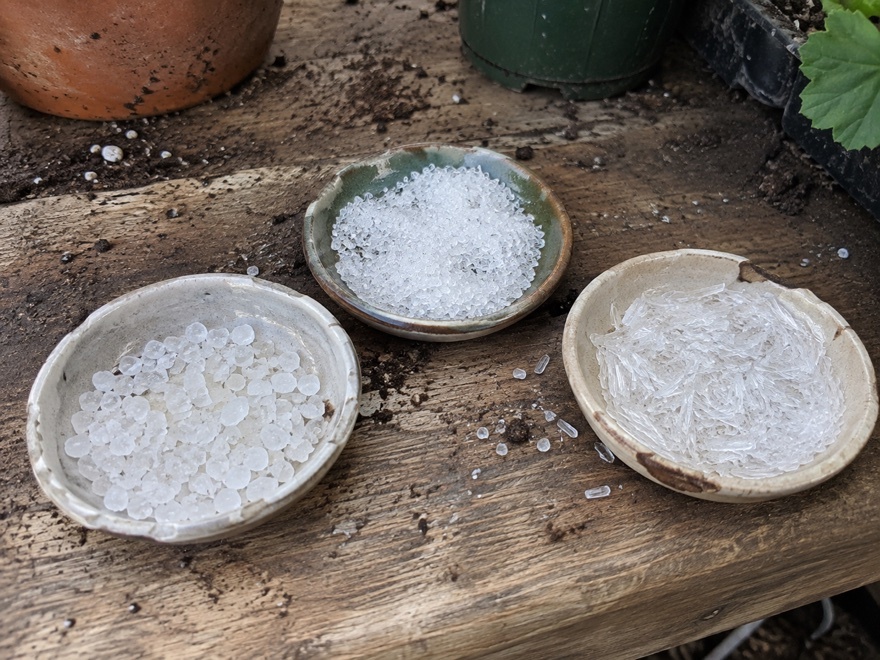
Spray tomato, pepper, and eggplant foliage thoroughly, covering the top and underside of the leaves along with the stems, in late summer as nights start cooling and dew becomes heavier. That combination of cool nights and prolonged leaf wetness is exactly when late blight pressure rises.
Spray in the morning or evening rather than the heat of the day, since foliar mineral sprays absorb better when the leaf surface is not already stressed by direct midday sun.
The mechanism works on two levels. The mineral load creates a mild stress signal that nudges the plant's hormones toward fruit ripening rather than continued vegetative growth, which is useful heading into the final weeks of the season. At the same time, the extra potassium and magnesium strengthen cell walls in the leaf and fruit tissue, making them somewhat more resistant to the fungal pressure that drives late blight.
Repeat every 7 to 10 days through the rest of the season as blight risk stays elevated. That is typically four to six spray sessions across late summer and early fall, spread out just far enough apart that it is easy to lose track. easyDacha's task list builds that recurring spray schedule into your tomato bed's care plan and sends a reminder before each session. Download and try easyDacha, a vegetable garden app that keeps late-season treatment schedules on track.
Expect a visible shift toward faster ripening within one to two weeks, along with fewer new blight lesions if you started before the infection took hold.
Why this mineral cocktail works
Monopotassium phosphate (MKP) supplies both phosphorus and potassium in a highly soluble form the plant absorbs quickly through the leaf. Potassium in particular is tied to fruit ripening signals.
Potassium sulfate adds more potassium without chloride, which some vegetables are sensitive to, and reinforces cell wall strength in leaf and fruit tissue.
Epsom salt provides magnesium, a core building block of chlorophyll, which keeps the remaining leaf canopy photosynthesizing efficiently even as the plant shifts energy toward ripening fruit.
Together, the mineral load acts as a mild, deliberate stress signal. Plants under gentle nutrient stress often prioritize finishing existing fruit over producing new vegetative growth, which is exactly the shift you want as the season winds down.
Is this safe for tomatoes, peppers, and eggplant?
Yes, this spray is safe at the concentrations above and is a standard mineral nutrition approach, not a synthetic chemical treatment. All three ingredients are common soluble fertilizer salts.
- This recipe is already at the practical ceiling for potassium sulfate in a single application, so do not add another potassium-based feed in the same week
- This spray is a preventive and early-stage tool, not a cure for tomato plants with an already confirmed, established late blight infection
- Spray in the morning or evening to avoid leaf stress from combining mineral salts with intense midday heat
- Wash harvested fruit as you normally would before eating
What NOT to do
Don't stack this with another potassium feed the same week. The potassium sulfate dose here is already at the practical ceiling for a single spray.
Don't expect this spray to cure an active, spreading late blight infection. It is preventive and early-stage support, not a fungicide replacement once blight is confirmed and spreading.
Don't spray in full midday heat. Mineral salts combined with intense sun can stress leaf tissue that is otherwise healthy.
Don't skip the underside of the leaf. Blight pressure builds on the leaf underside where moisture lingers longest, so full coverage matters.
Best for which plants
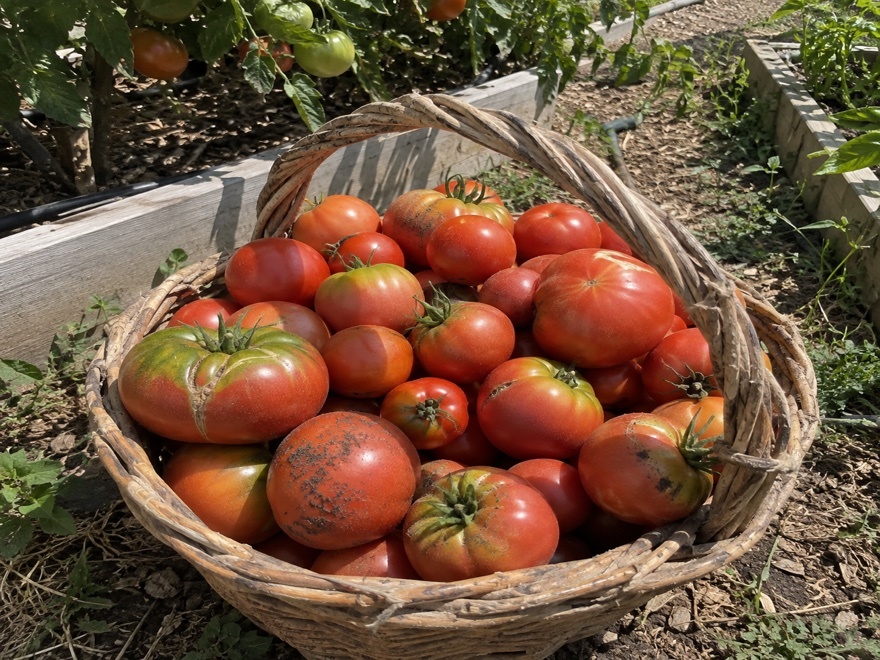
- Tomato - the primary target, especially varieties still carrying green fruit into late summer
- Pepper and eggplant - share the same late blight vulnerability and benefit from the same spray and timing
- Potato (foliage, if still standing late in the season) - part of the same nightshade family and susceptible to the same blight pressure
This is an outdoor vegetable garden spray tied to late-season blight conditions, not a general-purpose houseplant feed.
When late blight keeps coming back
If blight shows up again despite spraying, check three things. Look at plant spacing and airflow, since crowded plants trap humidity around the leaves and extend the window of leaf wetness that blight needs to spread. Check whether you are watering from overhead late in the day, since wet foliage overnight is one of the biggest drivers of blight pressure. Finally, confirm you started spraying before the first lesions appeared rather than after, since this mineral approach works best as prevention on a plant that is not yet infected.
Try easyDacha for your late-season tomato plan
Late summer treatment schedules pile up fast between ripening pushes, blight prevention, and regular care. easyDacha, a garden planner app, keeps your tomato bed's full late-season schedule on one task list with reminders. Download and try easyDacha.
For more on finishing the season strong, see will green tomatoes ripen before frost, how Epsom salt works as a foliar spray and soil drench for magnesium, and the monopotassium phosphate and bleach post-dormant sanitizer for related mineral applications on fruit trees. If tomato flowering issues have been a problem earlier in the season, see why tomato flowers fall off and the tomato flowering rotation guide for a full treatment rotation across the season.
FAQ
What triggers late blight in tomatoes?
Cool nights combined with prolonged leaf wetness from dew, rain, or overhead watering create the conditions late blight needs to spread. Risk climbs sharply as late summer nights cool down.
How is this different from a fungicide spray?
This mineral cocktail works by strengthening plant tissue and shifting hormone balance toward ripening rather than killing fungal spores directly. It is a preventive support tool, most effective before infection, not a replacement for a fungicide once blight is already established and spreading.
Can I use this spray on peppers and eggplant, not just tomatoes?
Yes. Both share the same late blight vulnerability in late summer and respond to the same spray and schedule.
How often should I spray this mineral cocktail?
Every 7 to 10 days through the rest of the season while blight risk stays elevated from cooler nights and heavier dew.
Will this spray make green tomatoes ripen faster?
Yes, the potassium load in this spray is tied to fruit ripening signals, and many growers see a visible shift toward faster ripening within one to two weeks.
Is there an app that reminds me when to spray my tomatoes late in the season?
Yes. easyDacha is a gardening app that builds recurring late-season spray tasks into your tomato bed's care plan and sends reminders before each session.
Can I combine this with other tomato fertilizers?
Not the same week as another potassium-based feed, since this recipe is already at the practical ceiling for potassium sulfate. Space other feeding out from this spray schedule.