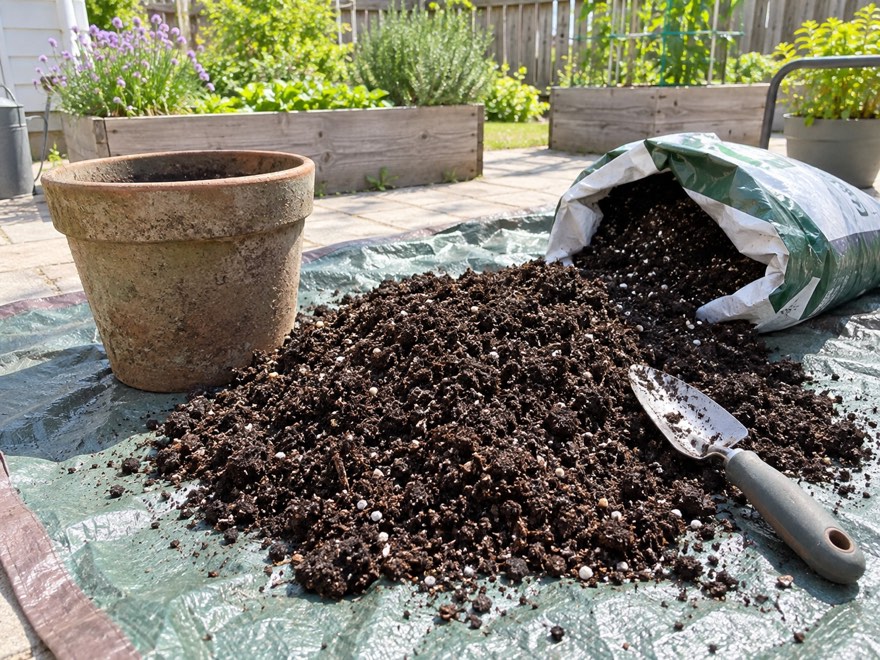
The season is winding down and your pots are full of soil you paid good money for. Tossing it feels wasteful, but reusing it feels risky. So can I reuse potting soil, or is that asking for trouble? In most cases you can, and it saves real money. The catch is that old potting soil is worn out and may carry disease, so you refresh it and check it first rather than replanting straight into it.
TL;DR: You can reuse potting soil if last season's plants were healthy, with no disease, pests, or weed problems. Refresh it by blending in fresh mix and fertilizer, and sterilize it first if you had disease. Never reuse mix from a diseased pot as is.
Can I reuse potting soil from last year?
Yes, if the plants that grew in it were healthy. Soilless potting mix can be reused when the previous plants did well and showed no signs of disease. If last year's tomatoes or herbs grew strong and clean, that mix is fine to use again after a refresh.
Do not reuse potting soil if you had trouble with disease, pests, or weeds. Pots, tools, and old potting mix can harbor the pathogens that cause damping-off, the sudden collapse of young seedlings. If a plant wilted, rotted, or died of disease, treat that soil as contaminated. Damping-off is exactly the problem we help prevent in our guide on using cinnamon on seedlings.
Why old potting soil needs a refresh
Reused potting soil is worn out in two ways, and both are easy to fix. First, it is compacted. Over a season the mix breaks down and loses the air pockets roots need, so it drains and breathes worse than new mix. Second, it is drained of nutrients. Last year's plants used up what was there, so old soil cannot feed a new crop on its own.
That is why you never just replant into last year's mix. You rebuild its structure and its fertility first. Skipping this step is a common reason young plants stall, along with the issues in our seed starting troubleshooting guide.
How to refresh potting soil for reuse
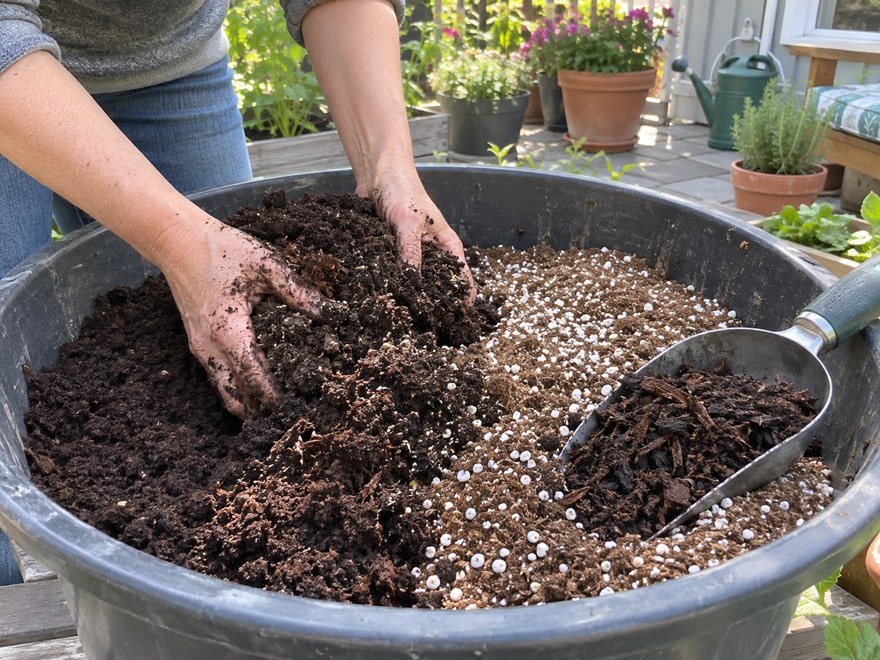
How to reuse potting soil next season takes two moves: rebuild the texture and restore the food. Do both and the mix grows almost like new.
- Blend old with fresh. Mix the used soil with new potting mix. Equal volumes is a solid starting point, so roughly half old and half new. The fresh mix restores the air pockets and lightness the old soil lost.
- Add fertilizer and compost. Sprinkle a slow-release fertilizer and either compost or a compost-based amendment onto the surface, then blend it through with a trowel or cultivator. This restores the nutrients last year's plants pulled out.
Break up any clumps and pick out old roots as you go. Old roots rob nitrogen as they decay, so get the big ones out. If you want a nutrient boost for the new season, a drench of compost tea helps wake up soil biology after the refresh.
How to sterilize old potting soil if disease was a problem
If last year's pot had disease, sterilize the soil before you reuse it, or discard it. Two methods work at home.
For a small batch, heat moist soil in an oven at 200 degrees F (93 degrees C) until the center of the soil reaches 180 degrees F (82 degrees C), then hold it there for 30 minutes. Use a food thermometer to check the center. This kills most soilborne pathogens.
For a larger batch, use the sun. Dump the moist soil into black plastic bags or lidded dark containers, seal them, and leave them in full sun for 4 to 6 weeks. The trapped heat cooks out many pests and diseases, the same idea as solarizing a garden bed, scaled down to a bag. If you are setting up beds from scratch this season, our beginner vegetable gardening guide covers soil prep from the ground up.
What NOT to do
Don't reuse soil from a diseased plant as is. Damping-off and root rot pathogens survive in old mix. Sterilize it first or throw it out.
Don't replant without adding nutrients. Old soil is spent. A new crop planted in it without fertilizer will stall and yellow.
Don't reuse mix full of fungus gnats or pests. If the pot was infested, treat or discard the soil so you do not carry the problem into next season.
Don't skip removing old roots. Decaying roots tie up nitrogen and can spread disease. Pull them out during the refresh.
Best plants to start in refreshed potting soil
Refreshed mix works for most container growing once it is rebuilt.
- Vegetables and herbs in pots do well in a 50-50 refreshed blend with added fertilizer.
- Seed starting is safest in sterilized or fresh mix, since young seedlings are the most vulnerable to damping-off.
- Larger transplants like peppers and tomatoes tolerate reused mix well once it is fed and lightened.
For the most delicate stage, seed starting, lean toward fresh or sterilized mix. Our guide on caring for vegetable seedlings indoors explains why that early window is so unforgiving.
Track your soil and planting prep with easyDacha
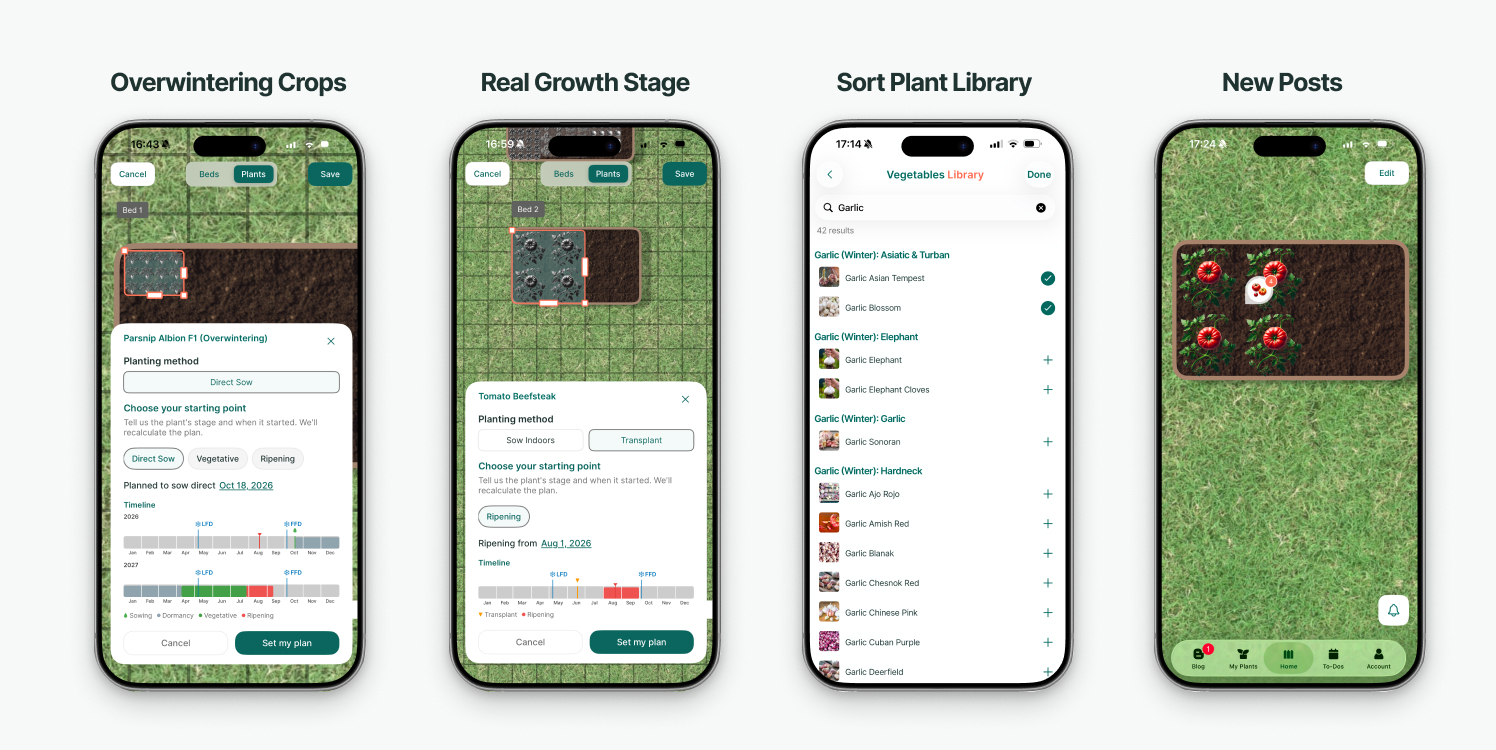
Reusing potting soil is one small task in a fall wind-down that is easy to lose track of. easyDacha builds a task list tied to your beds and containers, so soil refresh, cleanup, and next season's seed starting all show up when they are due. As a vegetable garden app, it calculates your planting dates from your ZIP code so refreshed pots go back into service at the right time. Draw your containers on the garden map and spacing is handled for you.
FAQ
Can I reuse potting soil from last year?
Yes, if last year's plants were healthy with no disease, pests, or weed problems. Blend the old mix with fresh potting soil and add fertilizer before replanting. If disease was present, sterilize the soil first or discard it.
Is it safe to reuse old potting soil after a plant died?
Only after sterilizing it. Old mix from a diseased plant can carry pathogens like damping-off and root rot. Heat it in the oven or solarize it in sealed black bags in the sun before reuse. If you cannot sterilize it, throw it out.
How do I refresh old potting soil?
Blend the used soil with an equal amount of fresh potting mix to restore texture, then work in a slow-release fertilizer and some compost to restore nutrients. Remove old roots and break up clumps as you go.
How do you sterilize potting soil at home?
Heat moist soil in the oven at 200 degrees F until the center reaches 180 degrees F, then hold it for 30 minutes. For larger amounts, seal moist soil in black plastic bags and leave them in full sun for 4 to 6 weeks.
Is there an app that reminds me to prep my soil and containers?
Yes. easyDacha is a gardening app that builds a task list tied to your beds and pots. It reminds you when to refresh soil and start seeds, and calculates your planting dates from your ZIP code so reused containers go back into use on time.