
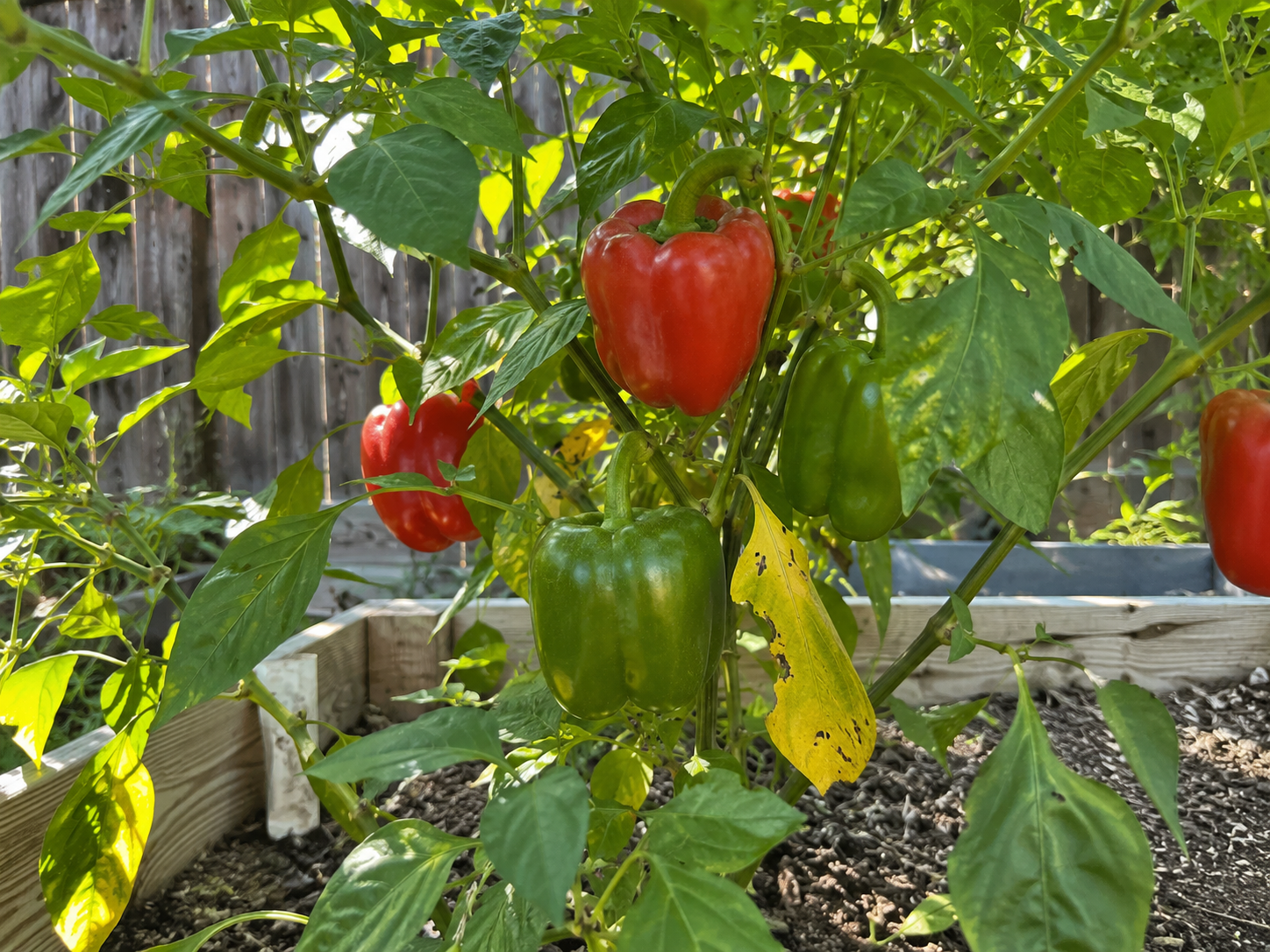
You sliced into a homegrown bell pepper expecting that clean, sweet crunch. Instead you got a slow burn on your tongue. You are not imagining it, and you are not alone. Every summer gardeners ask why are my sweet peppers hot when the plant clearly came from a sweet variety. The answer is almost always stress, not a mix-up. Read the causes below and you can grow mild fruit again.
TL;DR: Sweet peppers turn hot mostly from plant stress. Drought, heat spikes, and uneven watering push a bell pepper to make more capsaicin, the compound behind the burn. Steady moisture and shade during heat waves keep the next fruit sweet.
Why your sweet peppers turned hot
Sweet peppers turn spicy because the plant makes capsaicin under stress, and a few growing conditions trigger it. A true bell pepper carries a recessive gene that normally blocks capsaicin. When the plant gets pushed hard, that block can slip, and heat creeps into fruit that should be sweet.
Here are the real causes, in order of how often they show up.
Water stress. This is the biggest lever. A pepper plant that dries out between waterings, or swings from bone dry to soaked, builds up more capsaicin in its fruit. Drought and irregular watering both count.
Heat. Long stretches above 90°F stress the whole plant. In zone 9 and zone 10 along the Gulf Coast and the Southwest, that heat load alone can add a noticeable bite.
Nutrient stress. A plant short on nitrogen, phosphorus, or potassium grows poorly and fruits poorly, and stressed fruit tends to run hotter.
Seed source, not this season's neighbors. Growing hot peppers next to sweet ones does not make this year's sweet fruit hot. Cross-pollination only changes the seeds inside, not the flesh you eat now. But if you saved seed from a sweet pepper that grew near hot peppers, the plants from that seed can carry heat.
What to do about it
Take the pressure off the plant and the next flush of fruit comes back mild. You cannot fix a pepper already on the counter, so the goal is the next round.
Water deeply and on a steady schedule. Peppers want the root zone evenly moist, never swinging dry then flooded. In hot, dry weeks that can mean a deep soak every 2 to 3 days. Add 2 to 3 inches (5 to 8 cm) of mulch to hold that moisture and keep roots cooler.
In a heat wave, shade helps. A 30 to 40 percent shade cloth over the plants during afternoon sun lowers the stress in zone 9 and zone 10. Our full playbook for scorching weeks lives in how to protect plants in a heat wave.
Feed steadily so the plant never runs short. A balanced feed through the season plus a potassium boost at fruiting keeps growth even. If you want a gentle potassium source, see banana peel fertilizer for potassium-hungry plants.
The tricky part is that watering, mulching, feeding, and shade all land on different days across the season. easyDacha builds those tasks into one care plan for your exact ZIP code. It reminds you before each one, so a stressed plant never sneaks up on you. It works as a straightforward garden planner app for this kind of season-long timing. Try easyDacha.

Why stress makes peppers hotter
Capsaicin is the plant's defense chemical, and stress tells the plant to make more of it. Under drought or heat, a pepper ramps up capsaicin production in the fruit, within genetic limits. That is why the same plant can give sweet fruit in a mild week and a spicy sweet pepper after a dry heat spell.
Fruit maturity plays a role too. Heat concentrates as a pepper ages on the plant and shifts from green to red. A fully ripe, red bell from a stressed plant will taste hotter than a green one picked early from the same vine.
Is a spicy sweet pepper safe to eat?
Yes, a sweet pepper that turned hot is completely safe to eat. Capsaicin is harmless, it just registers as heat on your tongue. Nothing about the extra spice signals rot, disease, or a toxin.
Treat these peppers like a mild chile. A few simple rules make them useful instead of annoying:
- Taste a small slice raw before you commit a whole one to a salad.
- Cook them into salsa, chili, or a stir-fry where a little heat works.
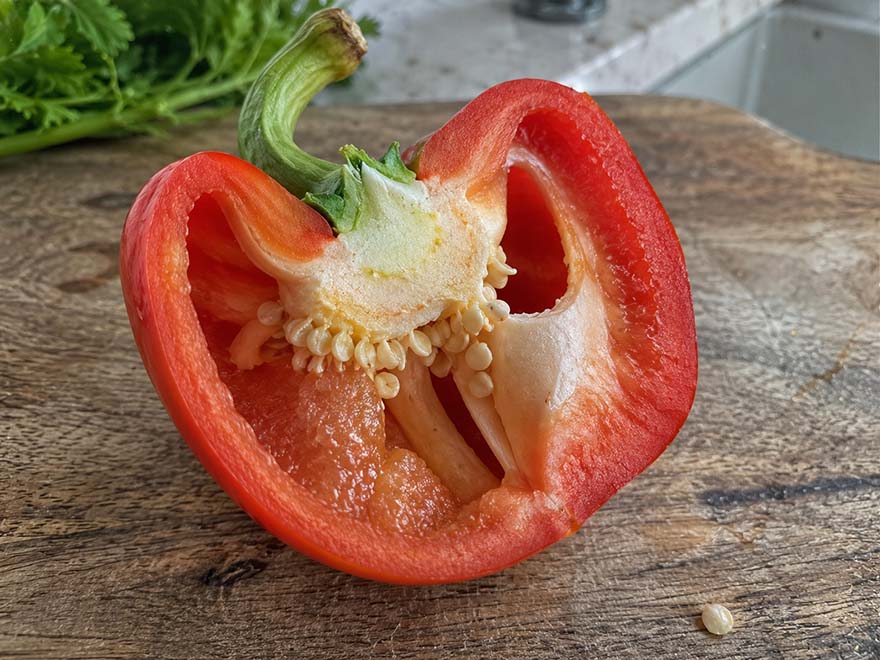
- Remove the seeds and white ribs, since those carry the most capsaicin.
- Wash your hands after slicing, and keep them away from your eyes.
What NOT to do
Do not blame your hot pepper plants nearby. They did not spice up this season's sweet fruit. Cross-pollination changes seeds, not the flesh you eat now.
Do not let the soil dry out to punish the plant. Drought stress is what caused the heat in the first place, so it only makes the next batch hotter.
Do not save seed from sweet peppers grown near hot ones. Those seeds may be crossed, and the seedlings can carry surprise heat next year.
Do not dump on extra nitrogen to force growth. A sudden feast then famine is still stress, and it stresses fruit flavor along with it.
Which peppers this affects
The heat surprise shows up in the sweet members of the pepper family, and the fix is the same across all of them.
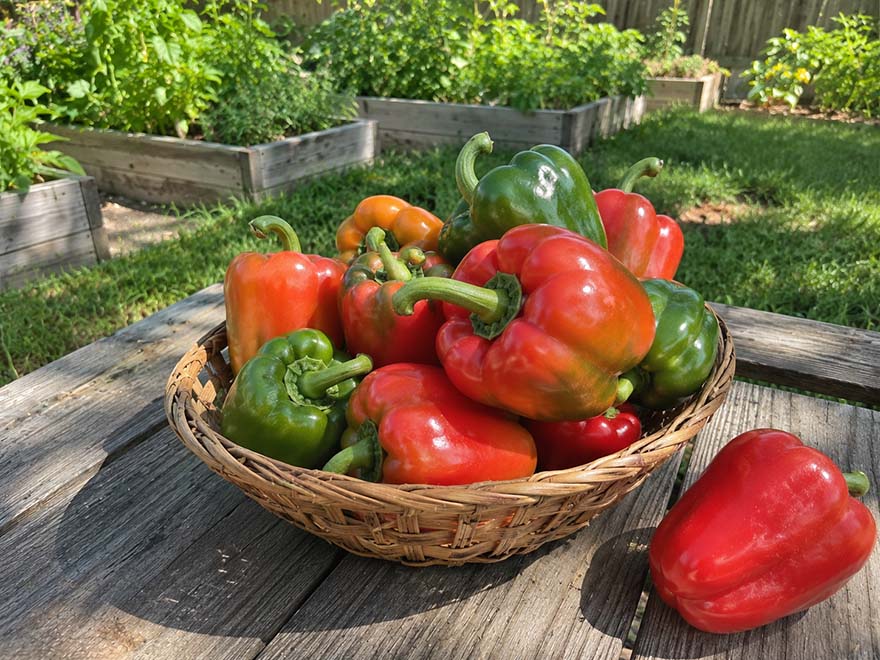
- Bell peppers: The classic case. Sweet blocky fruit that develops a bite after a dry, hot spell.
- Sweet snacking and lunchbox peppers: Small, thin-walled sweets that stress fast in heat because they hold less water.
- Sweet Italian frying types: Long tapered sweets that can pick up heat under the same drought stress.
True hot varieties like jalapeno or cayenne are supposed to be hot, and stress simply makes them hotter. If your peppers came from saved or mystery seed, a mix-up at the seed stage is worth checking. Our seed buying guide covers sourcing reliable sweet-pepper seed, and F1 hybrids vs heirlooms explains why saved seed drifts.
When sweet peppers keep coming out hot
If every fruit runs spicy season after season, check three things. First, your watering rhythm, since chronic dry spells are the usual culprit. Second, your seed source, because crossed or mislabeled seed carries heat no watering can undo. Third, your climate load, since long weeks above 90°F in zone 9 and zone 10 add heat on their own. Fix the water first, then confirm the seed, then add shade. For steady pepper care from seed to harvest, see the simple way to grow peppers.
FAQ
Why are my sweet peppers hot this year?
Your sweet peppers are hot because the plant made extra capsaicin under stress. Drought, uneven watering, and long heat waves all push a bell pepper to build heat. Steady moisture and afternoon shade during hot weeks keep the fruit sweet.
Do hot peppers cross pollinate sweet peppers and make them spicy?
Hot peppers do not make this season's sweet fruit spicy through cross-pollination. Pollen only affects the seeds inside the fruit, not the flesh you eat now. The heat you taste this year comes from stress, not from a neighboring hot plant.
Is it safe to eat a sweet pepper that tastes spicy?
Yes, a sweet pepper that tastes spicy is safe to eat. Capsaicin is harmless and only registers as heat. Use the pepper like a mild chile, and remove the seeds and ribs to cut the burn.
Can I make a spicy bell pepper sweet again?
You cannot sweeten a pepper already on the plant, but you can fix the next fruit. Give the plant deep, even watering and shade during heat spikes. New peppers that form under calmer conditions come back mild.
Does too much heat make bell peppers turn hot?
Yes, sustained heat above 90°F is a common cause of pepper heat from stress. It is worse in zone 9 and zone 10, where afternoon sun is intense. Shade cloth and mulch lower that stress load.
Is there an app that helps me keep peppers from getting stressed?
Yes. easyDacha is a vegetable garden app that builds watering, feeding, and heat-protection tasks into one care plan for your ZIP code. It reminds you before each task so your peppers never hit the drought and heat swings that turn them spicy.