
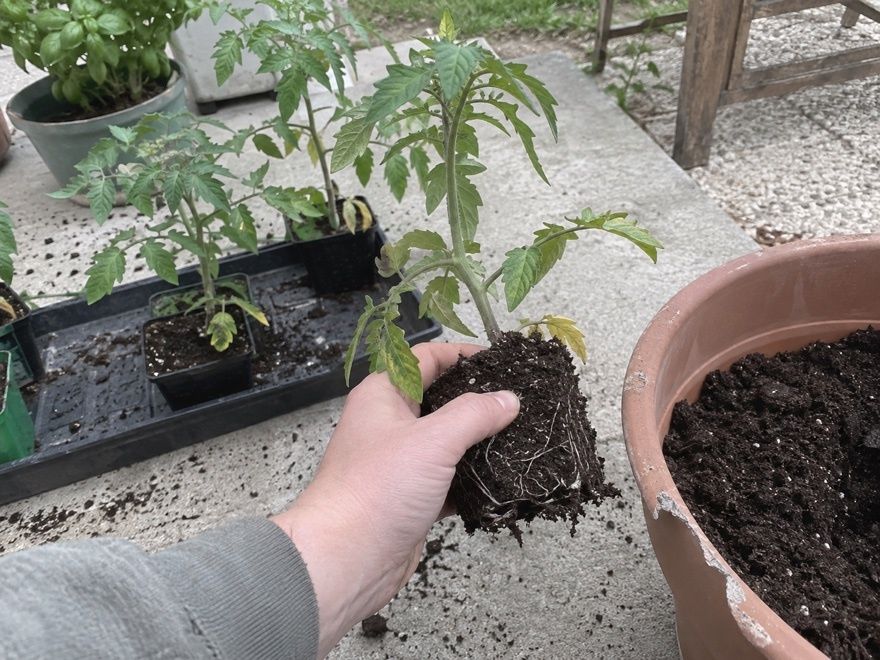
Every time you bump a tomato or pepper up to a bigger pot or into the ground, the plant sulks for a few days. Leaves droop, growth stalls, and you wonder if you damaged the roots. A tomato transplant tablet mix made from five common pharmacy tablets, buried near the root zone at transplant time, gives the plant several kinds of support at once instead of just crossing your fingers.
TL;DR: For a tomato transplant tablet mix, bury 1 activated charcoal tablet, a quarter aspirin tablet, a quarter succinic acid tablet, 1 glycine tablet, and 1 calcium gluconate tablet a couple of inches from the root ball whenever you transplant tomato or pepper seedlings into a bigger container or the ground.
The recipe
Per plant, at transplant time:
- 1 activated charcoal tablet, plain and uncoated, crushed or whole
- ¼ succinic acid tablet, plain succinic acid without added vitamins
- ¼ aspirin tablet, plain uncoated aspirin, not the coated or buffered kind
- 1 glycine tablet, plain glycine amino acid tablets sold in the supplement aisle
- 1 calcium gluconate tablet, plain calcium gluconate without added vitamin D or other additives
Mix it: There is no liquid mixing step. Bury all five tablets together in the planting hole a couple of inches (about 5 cm) to the side of where the root ball will sit, not directly underneath it, then backfill with soil as usual.
Shelf life: Use tablets from an unopened or recently opened bottle. There is nothing to store once you place them in the ground.
How to apply
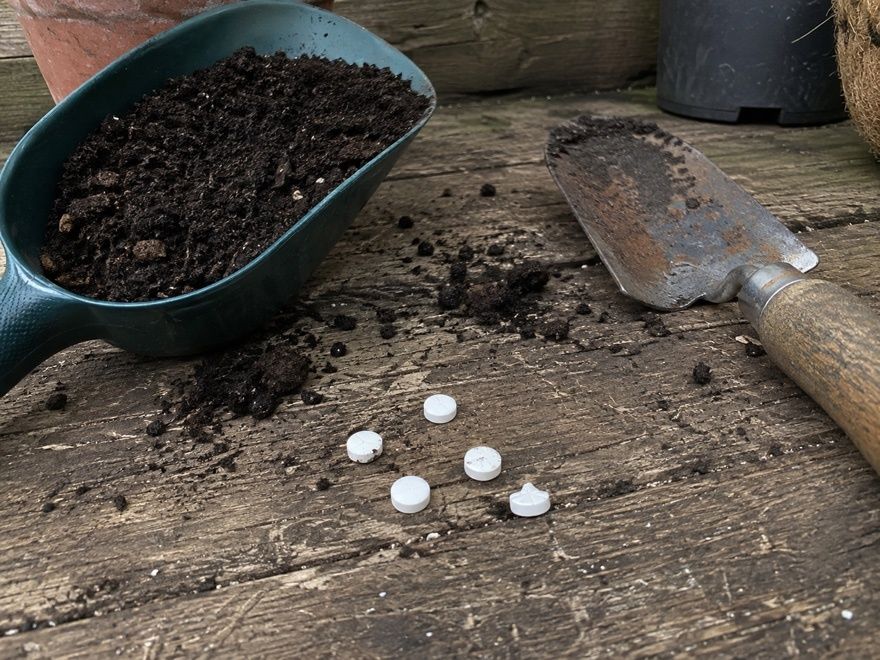
Dig the transplant hole slightly larger than the root ball, place all five tablets in a small cluster to one side of where the roots will sit, and cover them with an inch of soil before setting the plant in. This spacing matters. The tablets should be near the root zone, not in direct contact with the roots, since concentrated contact with any of these compounds can burn young root tissue.
Set the tomato or pepper seedling in on top of the backfilled tablets, finish filling the hole, and water in as you normally would after transplanting. The tablets dissolve gradually as the soil around them stays moist, releasing their effect over the following one to two weeks, which is exactly the window when transplant shock is most likely to show up.
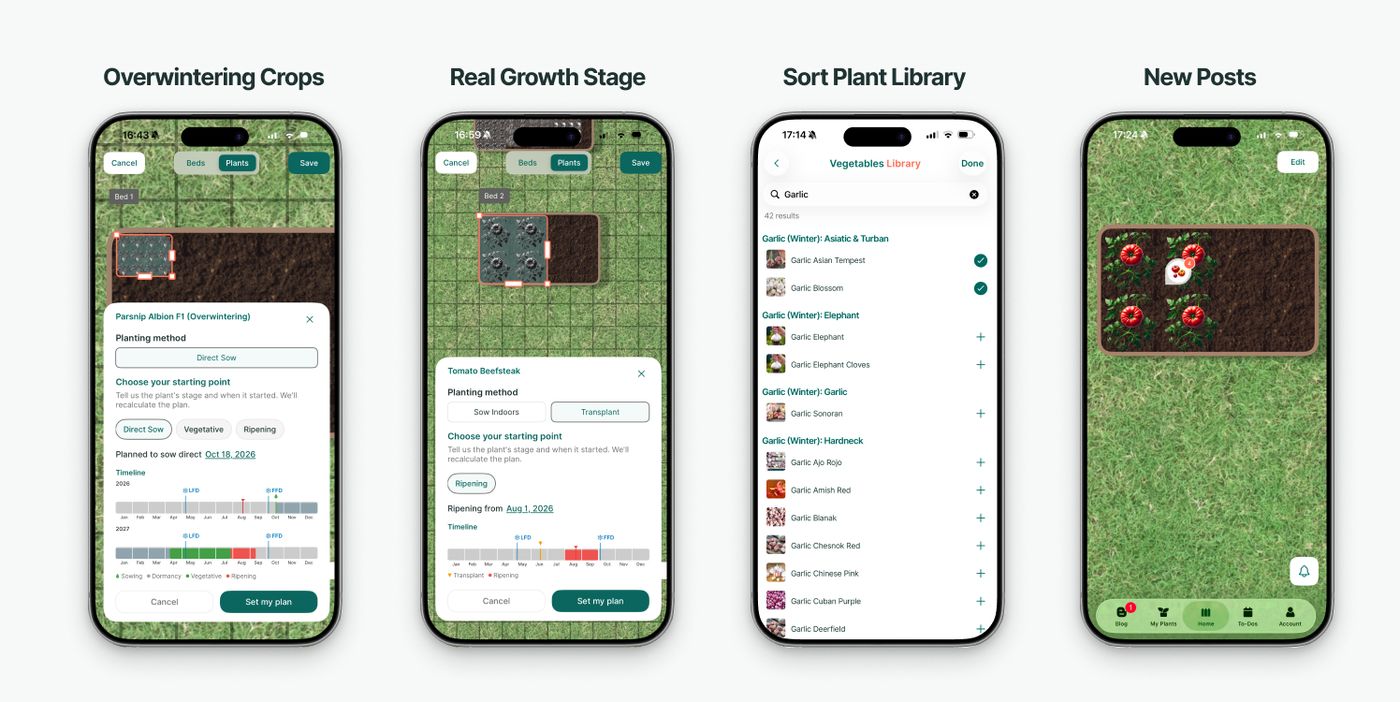
Each tablet is doing a different job. Knowing what to expect from a full transplant season, indoors starting, hardening off, and then moving to the garden, gets complicated fast when you are tracking dozens of seedlings. easyDacha's task list flags your transplant dates for each plant automatically based on your ZIP code and your garden setup, so you know exactly which seedlings are due to move up and when. Download and try easyDacha, a garden planner app that tracks every stage from seed to harvest.
You should see the plant settle in within three to five days instead of sulking for a full week or more, with less leaf droop and faster new growth at the top.
Why this tablet mix works
Activated charcoal binds and neutralizes some of the metabolic byproducts that build up in soil around damaged roots right after transplanting, keeping the immediate root zone cleaner while new roots form.
Succinic acid is a respiration catalyst. It supports the mitochondria in plant cells, which is the part of the cell responsible for producing energy, right when the plant needs extra energy to grow new roots.
Aspirin supplies salicylic acid in a small dose, which triggers the plant's own systemic immune response. This primes the plant to resist stress and disease pressure during the vulnerable transplant window, not to relieve pain the way it does in people.
Glycine is a chelating amino acid, meaning it binds to minerals in the soil and makes them easier for the plant to absorb through its roots.
Calcium gluconate delivers calcium in a form the plant can use immediately, which matters because new root tips and new leaf tissue both need a steady calcium supply, and it also acts as a second mineral chelator alongside the glycine.
Is this safe for tomatoes and peppers?
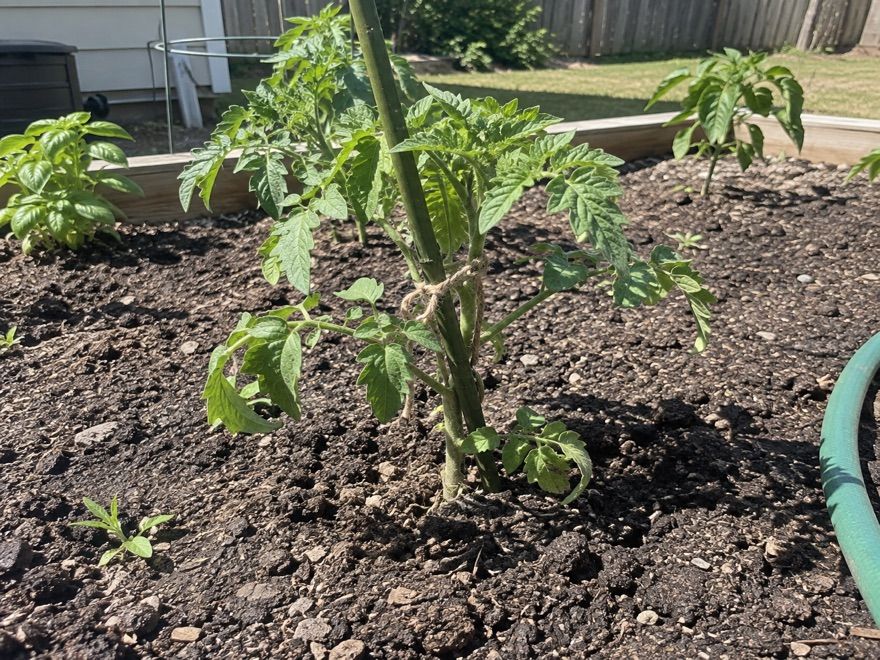
Yes, this mix is safe when the tablets are placed a couple of inches from the root ball rather than directly against the roots. Each ingredient is used here at a small, single-dose amount, far below anything that would stress the plant or the surrounding soil.
- Use plain, uncoated tablets without added vitamins, flavors, or fillers where possible
- Keep the tablets away from direct root contact, buried to the side and slightly below the root ball
- This dose is sized for one seedling at transplant time, not for an established plant already growing in the ground
- Store any leftover tablets away from children and pets, since these are pharmacy products
What NOT to do
Don't press the tablets directly against the root ball. Direct contact with concentrated succinic acid or aspirin can burn young roots instead of helping them.
Don't use this mix on mature plants already established in the garden. The dose is calibrated for a single transplant event, not ongoing feeding.
Don't substitute coated or buffered aspirin. The coating changes how the tablet dissolves in soil and adds ingredients you do not want in the root zone.
Don't skip watering in right after transplanting. The tablets need soil moisture to start dissolving and releasing their effect on schedule.
Best for which plants
- Tomato and pepper, the primary target, especially when moving from a small starter pot into a 1-gallon or larger container or straight into the garden
- Eggplant, responds the same way as pepper to the transplant stress and benefits from the same mix
- Other transplanted vegetable starts (cucumber, squash), can use the same mix at transplant, though these crops generally handle transplant shock better on their own
This is a transplant-moment tool, not a regular feeding schedule, so it is not something you repeat weekly.
When transplant shock keeps coming back
If seedlings sulk hard every time you move them regardless of this mix, check three things. Look at whether you are hardening off long enough before the final move outdoors, since skipping that step is the single biggest cause of severe transplant shock. Check the timing of the move against the heat of the day, since transplanting in full afternoon sun stresses roots that have not reestablished yet. Finally, confirm you are not damaging the root ball itself when removing the seedling from its old container, since torn roots take much longer to recover than roots that were simply relocated intact.
Try easyDacha for your transplant schedule
Timing a transplant right, and remembering every seedling's stage, is easier with a plan built around your actual garden. easyDacha, a vegetable garden app, calculates transplant dates by ZIP code and keeps every plant's stage on one task list. Download and try easyDacha.
For more on getting seedlings through the move successfully, see the full guide to hardening off seedlings step by step, how succinic acid supports plant stress relief on its own, and when to transplant tomatoes outdoors for timing by zone. If blossom end rot has been an issue in past seasons, read about calcium acetate from wood ash for blossom end rot, and for a broader look at transplant week care, see caring for transplanted seedlings in the first two weeks.
FAQ
What is a tomato transplant tablet mix?
It is a combination of five pharmacy tablets, activated charcoal, succinic acid, aspirin, glycine, and calcium gluconate, buried near the root zone when transplanting tomato or pepper seedlings to reduce shock and speed recovery.
Can I use this mix on pepper seedlings too?
Yes. Peppers respond to transplant stress in a similar way to tomatoes, and the same five-tablet dose per plant works for both.
Why is the aspirin dose only a quarter tablet?
A full aspirin tablet delivers more salicylic acid than a small transplant needs. A quarter tablet is enough to trigger the plant's immune response without overloading the root zone.
How soon will I see results after transplanting with this mix?
Most plants show less leaf droop and faster new growth within three to five days, compared to a full week or more of sulking without any support.
Can I reuse this mix every time I water?
No. This is a one-time application at the moment of transplant, not a regular feeding routine. Repeating it does not add benefit and risks overloading the root zone.
Is there an app that tracks my transplant dates for tomatoes and peppers?
Yes. easyDacha is a gardening app that calculates your exact transplant window based on your ZIP code and your specific plants, and builds it into your task list automatically.
Does calcium gluconate replace regular calcium fertilizing later in the season?
No. This dose supports the plant through the transplant window only. Ongoing calcium needs, especially for preventing blossom end rot, are addressed separately once the plant is established and fruiting.