
Your tomato has a dark, leathery patch on the bottom. It looks like disease, but it is not. That is blossom end rot, and it means the fruit cannot pull enough calcium from the soil. The cells at the tip collapse and turn black. Wood ash from your fireplace plus a bottle of white vinegar from the grocery store react to form calcium acetate, a form of calcium your plants absorb immediately.
TL;DR: Mix 1.5 cups wood ash with 3 cups white vinegar, let it fizz for 30 minutes, strain, dilute in 1 gallon of water, and drench the root zone of tomatoes, peppers, or squash every 10 to 14 days during fruit set to stop blossom end rot.
The recipe
You need
- Wood ash from hardwood: 1.5 cups (360 ml) — oak, maple, hickory, fruitwood. Softwood ash (pine, spruce) works but has less calcium. Charcoal briquette ash is fine if no lighter fluid or additives. Never use ash from treated lumber, painted wood, plywood, or cardboard.
- White vinegar: 3 cups (720 ml), 5% acidity, standard grocery store vinegar
- A bucket or large container (at least 1.5 gallons / 6 liters)
- A fine strainer or old t-shirt for filtering
- A watering can
- Water: 1 gallon (3.8 liters)
Do it
- Put 1.5 cups of wood ash into a bucket.
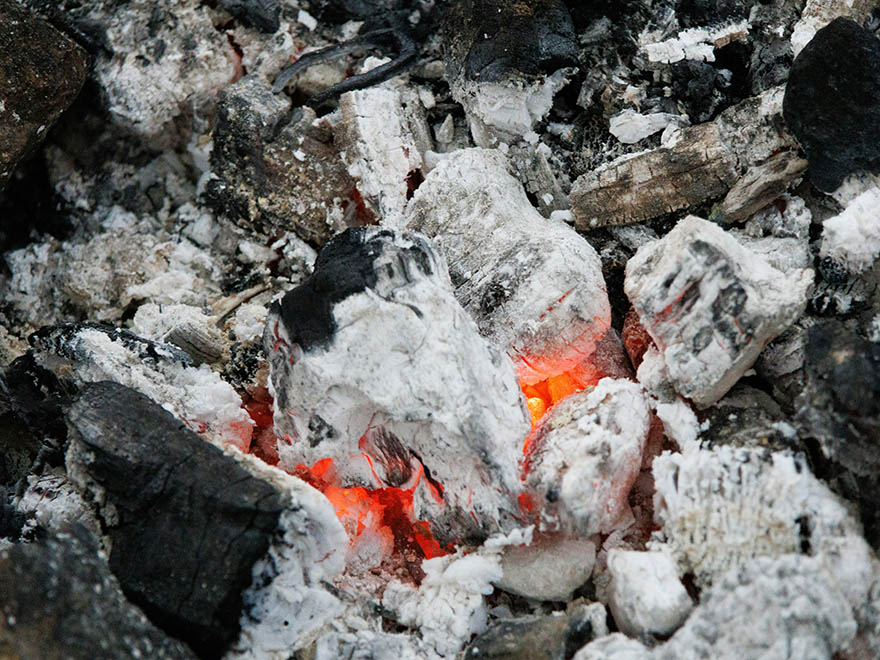
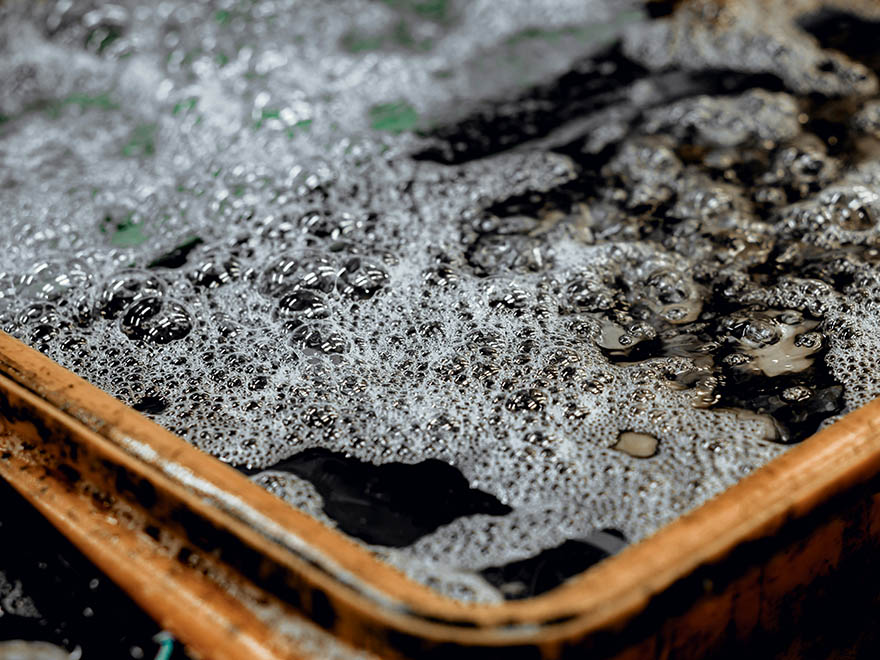
- Pour 3 cups of white vinegar over the ash. It will fizz vigorously. That fizzing is the acetic acid reacting with the calcium carbonate in the ash. The reaction produces calcium acetate, water, and carbon dioxide gas.
- Stir once and let it sit for 30 minutes. The fizzing will slow down and stop. The liquid will look murky gray-brown.
- Strain the liquid through a fine strainer or old t-shirt into your watering can or a clean bucket. Discard the solid residue. It is mostly potassium salts and silica, safe for the compost pile.
- Add 1 gallon (3.8 liters) of water to the strained liquid. Stir.
- Use the same day. Do not store the diluted solution. Make fresh each time.
What is wood ash
Wood ash contains 20 to 45% calcium carbonate, depending on the wood species. When you add vinegar (acetic acid), the chemical reaction converts insoluble calcium carbonate into soluble calcium acetate. The fizzing is CO2 leaving the mixture. What remains is plant-ready calcium with no nitrogen attached.
If you do not have a fireplace, ask neighbors who do. A single fire pit session produces more ash than you need for a full season. Store dry ash in a covered bucket. It keeps indefinitely.
How to use it
Soil drench (main method):
Pour about 1 to 2 cups of the diluted solution at the base of each plant, directly onto the root zone. Water the soil lightly first if it is dry. Calcium acetate is water-soluble and moves into the root zone immediately, but it moves better through already-moist soil.
Apply every 10 to 14 days during the fruit development stage. Start when the first fruits are marble-sized. Continue through the main harvest window. Three to four applications through the season is usually enough.
Timing matters more than quantity. Blossom end rot happens during fruit set when the plant is growing fast and cannot move calcium to the fruit tips quickly enough. Applying calcium after the fruit is already damaged will not fix that fruit. It protects the next round of fruit forming on the plant.
Foliar spray (secondary use):
You can spray the solution onto leaves, but soil drenching is more effective for BER. Calcium does not move well inside the plant from leaf to fruit. A soil drench puts calcium where the roots can grab it and push it into developing fruit through the transpiration stream. If you want to spray, use the same dilution and apply early morning before the sun is strong.
Which plants benefit most
This recipe targets plants that develop blossom end rot. BER only affects fruiting crops, and only certain ones.
Best results: Tomatoes. BER is the #1 calcium-related problem in home tomato growing. Large-fruited varieties (beefsteak, brandywine, Cherokee purple) are most vulnerable because the fruit grows fast and the calcium demand is highest. Paste tomatoes (Roma, San Marzano) get hit often too. If you are growing tomatoes from seed, plan to start calcium acetate drenches once the first fruits set.
Strong results: Peppers. Bell peppers and large-fruited hot peppers develop BER under the same conditions as tomatoes. Smaller hot peppers (jalapeno, Thai) are less affected but not immune. The pepper growing guide covers full care; add calcium acetate drenches during fruit set.
Good results: Eggplant. Same nightshade family, same calcium transport issue. Eggplant BER appears as light brown, leathery patches on the blossom end. Less common than in tomatoes but same fix.
Useful for: Squash and zucchini. BER in squash shows as a soft, water-soaked area on the blossom end. Summer squash is more vulnerable than winter squash because it grows faster. Watermelon can also develop BER, though it is less common.
Useful for: Cabbage. Calcium strengthens cell walls and prevents head splitting. The same calcium acetate solution applied during head formation makes cabbage firmer and more resistant to storage rot. Apply 1 quart (1 liter) per head in the final 3 to 4 weeks before harvest.
Not useful for: Leafy greens, root crops, herbs, legumes, and any crop that does not fruit. These plants do not develop BER. The solution will not harm them, but they do not need it.
Why it works
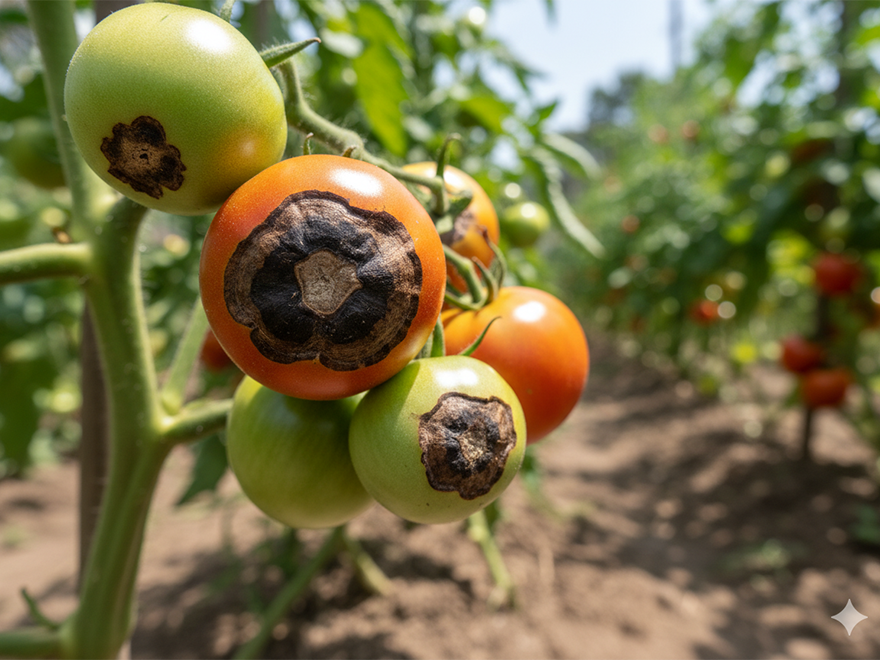
Blossom end rot is not caused by a pathogen. It is a calcium deficiency in the fruit tissue. The soil might have plenty of calcium, but the plant cannot move it to the fruit fast enough during rapid growth. Three things make this worse: inconsistent watering (calcium moves with water), excess nitrogen (pushes leaf growth at the expense of fruit), and fast temperature swings.
Calcium nitrate is the standard fix, and it works. But calcium nitrate also delivers nitrogen. If your tomatoes are already pushing a lot of leaf growth, adding more nitrogen can actually make BER worse by driving even more energy into leaves instead of fruit.
Calcium acetate solves this. The acetate ion is a simple organic acid that breaks down in soil. No nitrogen attached. The calcium is immediately available to roots in ionic form. Plants absorb calcium acetate faster than calcium carbonate (which is what raw wood ash provides) because acetate is already dissolved and does not need soil acids to break it down first.
Wood ash on its own contains 20 to 45% calcium carbonate, depending on the wood species. When you add vinegar (acetic acid), the chemical reaction converts insoluble calcium carbonate into soluble calcium acetate. The fizzing you see is CO2 leaving the mixture. What remains in solution is plant-ready calcium.
This is why wood ash alone is a slow-release amendment (good for soil pH over time), while the ash-vinegar reaction gives you a fast-acting calcium drench for the current season.
What NOT to do
Do not use cleaning vinegar or horticultural vinegar. Grocery store white vinegar is 5% acidity. Cleaning vinegar runs 6 to 10%. Horticultural vinegar can be 20 to 30%. Higher concentrations produce a more acidic solution that can burn roots. Stick with standard 5% white vinegar.
Do not skip straining. The undissolved ash particles contain potassium hydroxide (lye) which is very alkaline. If you pour unstrained ash slurry on plants, you dump concentrated alkali onto roots. Straining removes the unreacted solids and gives you a clean calcium acetate solution.
Do not apply to dry soil. Calcium acetate in dry soil sits on the surface and does not reach roots. Water the bed first, then apply the solution, then water lightly again. The calcium needs to move down to the active root zone.
Do not mix with phosphorus fertilizers in the same watering. Calcium reacts with phosphate to form insoluble calcium phosphate, which locks up both nutrients. Apply calcium acetate and any phosphorus feed (bone meal, superphosphate) on different days, at least 3 to 4 days apart.
Do not use ash from treated or painted wood. This cannot be repeated enough. Pressure-treated lumber contains copper, chromium, and arsenic compounds. Painted wood adds lead, zinc, and other metals. These persist in ash and will contaminate your soil permanently.
Do not apply more than once every 10 days. Too much calcium acetate shifts soil pH upward and can interfere with the uptake of iron, manganese, and zinc. The soil buffering capacity handles one application every 10 to 14 days without issues.
Do not expect it to fix fruit that already has BER. Once the dark patch forms, that fruit is done. Calcium acetate protects the next fruits forming on the plant. Remove damaged fruit so the plant redirects energy to healthy ones.
Why is the bottom of your tomato turning black?
That dark, leathery patch is blossom end rot, and it is not a disease or a pest. It is a calcium delivery problem caused by uneven watering, not by a lack of calcium in your soil. The fix is two-part: water evenly and deeply so the plant can move calcium to the fruit, and mulch to hold moisture steady. Adding calcium only helps if a soil test shows you are actually low.
FAQ
What is the difference between calcium acetate and calcium nitrate for blossom end rot?
Both deliver bioavailable calcium. Calcium nitrate also delivers nitrogen, which promotes leaf growth. If your plants are already leafy and vigorous (common with over-fertilized tomatoes), the extra nitrogen from calcium nitrate can make BER worse by pushing even more growth. Calcium acetate delivers calcium without nitrogen. Use calcium acetate when plants are growing fast and you want calcium only. Use calcium nitrate when plants look pale or slow and need both calcium and a nitrogen boost.
Can I use apple cider vinegar instead of white vinegar?
Yes. Apple cider vinegar is typically 5% acidity, same as white. The reaction works the same way. White vinegar is cheaper and produces a cleaner solution. Apple cider vinegar adds trace sugars and organic compounds that are harmless but unnecessary. Either works.
How much ash do I need for a full season?
A single cup of ash per batch, one batch every 10 to 14 days, 3 to 4 batches per season. So roughly 3 to 4 cups of ash total for one garden bed. One evening around a fire pit produces more than enough for a whole season. Store leftover ash in a dry, covered container.
Can I use charcoal grill ash?
Yes, if the charcoal was plain hardwood lump charcoal or standard briquettes without lighter fluid. Avoid "instant light" or "match light" briquettes because they contain petroleum-based accelerants that leave residues in the ash. If you use a chimney starter instead of lighter fluid, your briquette ash is fine.
Will this change my soil pH?
Slightly and temporarily. Calcium acetate is nearly neutral in solution. It raises pH far less than raw wood ash (which is very alkaline). A single application every 10 to 14 days will not meaningfully shift soil pH in a well-managed garden. If your soil is already very alkaline (pH above 7.5), test before applying and consider using gypsum (calcium sulfate) instead, which adds calcium without raising pH at all. For more on soil pH management, see the full guide.
My tomatoes already have blossom end rot. Can this save those fruits?
No. Once the dark patch forms, the cells are dead. Remove the damaged fruit. The calcium acetate drench protects the next wave of fruit forming on the plant. Most gardeners see improvement within 2 to 3 weeks as new fruit develops without BER.
Can you reverse blossom end rot on a fruit already affected?
No. The affected fruit will not heal, remove it. But you can stop it on the next fruit by fixing watering.
Is Epsom salt good for blossom end rot?
No, that is a common myth. Epsom salt is magnesium and can make a calcium problem worse.
Is there a gardening app that reminds me when to apply calcium treatments?

The easyDacha gardening app schedules calcium drenches and other feeding tasks by growth stage so you never miss the window when it matters most.
Try easyDacha app →. The garden planner app that plans your season in 60 seconds. Cancel anytime.
Related reading on easydacha.com
- How to Use Wood Ash as Fertilizer and Pest Repellent — the full wood ash guide. Raw ash is a slow-release soil amendment; this calcium acetate recipe turns it into a fast-acting calcium drench.
- How to Make Bioavailable Phosphorus Fertilizer from Bones (Citric Acid Method) — another kitchen-chemistry fertilizer. Do not apply bone citrate and calcium acetate on the same day because calcium locks up phosphorus.
- How to Use Eggshells as Calcium Fertilizer and Slug Barrier — eggshells are calcium carbonate, the slow form. Calcium acetate is the fast form. Different tools for different timelines.
- Simple Fertilizer Plan for Flowering Vegetables — the overall feeding schedule. Calcium acetate slots into the fruit development phase alongside your regular NPK plan.
- How to Grow Tomatoes from Seed (No Greenhouse Required) — the full tomato guide from seed to harvest. Start calcium acetate drenches when the first fruits set.
- Soil Acidity (pH): What It Is, How to Change It — understand pH before adding calcium amendments. This article covers when calcium acetate is safe and when gypsum is a better choice.
- The Simple Way to Grow Peppers: From Seed to Harvest — peppers are the second-most common BER target after tomatoes. Full pepper care from sowing to harvest.
- Caring for Transplanted Seedlings: First 2 Weeks Critical Care Guide — consistent watering after transplant prevents the moisture swings that trigger BER later in the season.
- How to Identify Plant Diseases: Early Signs and What to Do — BER looks like disease but is not. This guide helps tell the difference between calcium deficiency and actual infection.
- Homemade Organic Pesticide for the Vegetable Garden: Simple Recipes That Work — if your plants have both BER and pest damage, treat them separately. Calcium acetate for the fruit, organic sprays for the bugs.