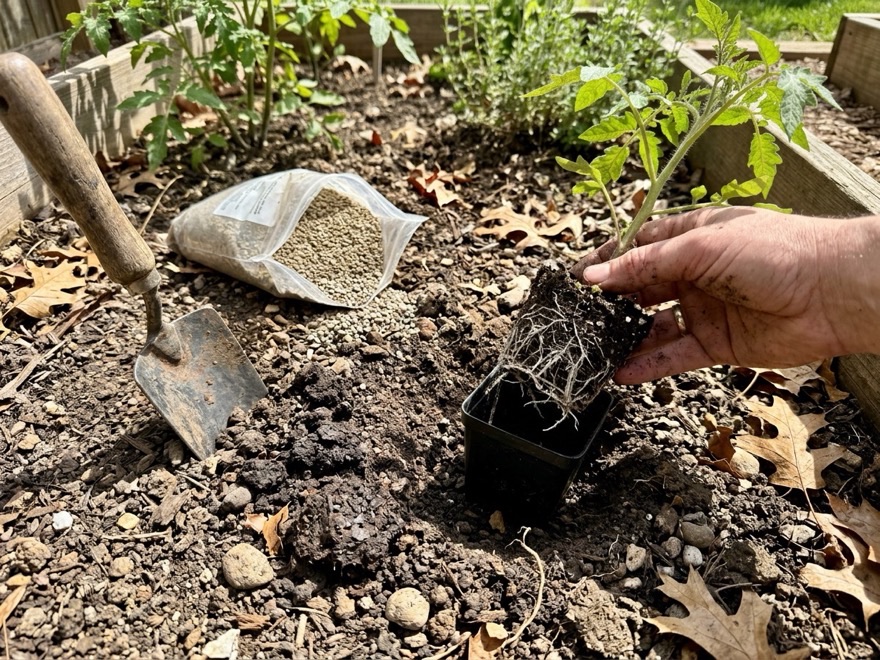
You bought a Trichoderma product because everyone online says it protects roots. Then nothing happened, or something looked worse. The reason is simple. The species name on the bag tells you very little, and Trichoderma strains behave in very different ways. Here is how to read the label.
TL;DR: Trichoderma strains differ more than species do. Some protect roots, some boost growth, and a few are harmful. Pick a product that names its exact strain, and follow the label.
Why the strain matters more than the species
A strain is a specific line of a fungus. Two strains of the same species can act in opposite ways. A gardener source on Trichoderma science says the effect is strain-dependent, not species-specific. Isolates in one species range from plant pathogens to multi-function growth promoters.
That is why "Trichoderma harzianum" on a label is not enough information. It is like buying "a tomato" without a variety name.
The four kinds of Trichoderma
The same source sorts Trichoderma isolates into four groups.
- Harmful isolates. Some strains cause real damage. Trichoderma aggressivum and Trichoderma longibrachiatum cause green mold on commercial mushroom farms. Wild soil isolates of Trichoderma viride have been shown to cause wilting and necrosis in plants.
- Biocontrol specialists. These strains attack other fungi and oomycetes such as Pythium and Phytophthora. They protect roots but do little for growth.
- Growth promoters. These strains make plant hormones such as auxins and help release nutrients like phosphorus. They help roots branch.
- Multi-function strains. These combine protection and growth. They are the products bred for broad use.
Treat this as a framework, not a shopping list. The point is that a product can be helpful, neutral, or harmful depending on the strain inside.
What a good label tells you
A registered product names its exact strain. In the United States, labels registered with the EPA list the active ingredient as a specific strain. One example is Trichoderma harzianum strain KRL-AG2, also called T-22. Its label claims cover root diseases from Pythium, Rhizoctonia, and Fusarium.
Those claims belong to that registered product. They do not transfer to every other Trichoderma strain.
Look for these things on the label:
- The strain name, not only the species.
- A colony count per gram or per ounce.
- A use site and crop list that covers home gardens.
- Application directions for soil, seed, or transplants.
Follow those directions exactly. Our Trichoderma home-growing guide is for gardeners who choose to make their own. A homemade culture comes from an unknown strain, so you cannot count on a known result.
Is Trichoderma safe?
For most people, yes. Reviews of human Trichoderma infections describe cases almost entirely in people with weak immune systems. A 2023 systematic review in the Journal of Fungi found that pneumonia was the most common presentation. All patients but one were immunocompromised.
If you have a weakened immune system, ask your doctor before you handle Trichoderma products, compost piles, or old moldy soil. Everyone else should follow the label for protective gear.
How Trichoderma fits with other treatments
Keep these timing rules in mind, which come from our own garden guides.
- Do not mix home-grown Trichoderma and home-grown Bacillus in one tank. Unverified strains can suppress each other. See our wild hay Bacillus guide.
- Keep copper at least 7 days away. Copper kills Trichoderma on contact. Read our Bordeaux mixture guide before you spray both.
- Apply to moist soil. Water the bed before or right after.
Gardener sources also suggest soil use as soon as the soil can be worked, at transplanting, once or twice during growth, and once after harvest. That makes a calendar useful. For another biological option against late blight, see Clonostachys rosea.
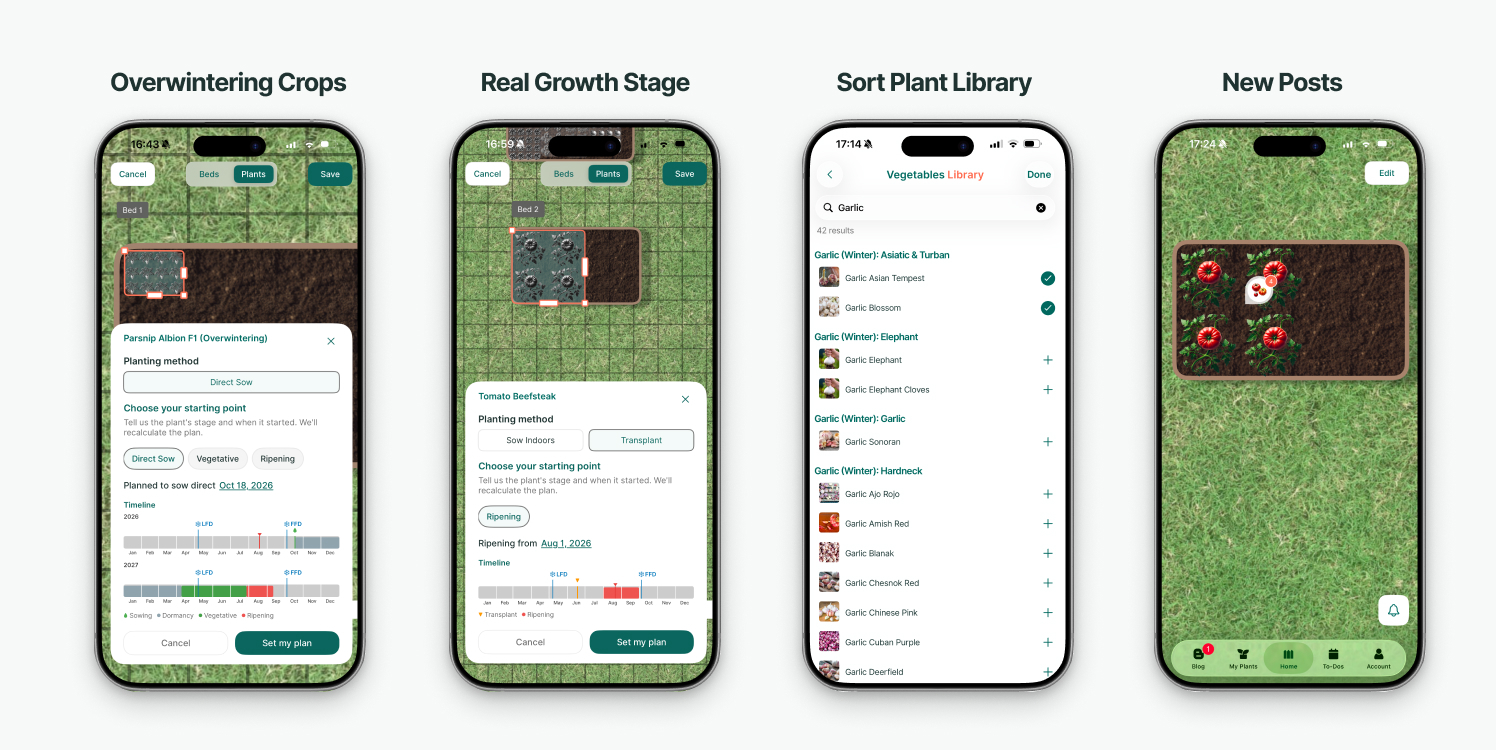
Biological products work on a schedule, and the gaps between treatments matter. easyDacha is a gardening app that builds a care plan for each plant you add. It also gives you a task list for the next two weeks, so you can plan soil treatments around watering and sprays. Download easyDacha and add your beds.
What NOT to do
Do not buy by species name alone. Look for the strain name and a registration.
Do not spray copper right after Trichoderma. Leave at least 7 days.
Do not apply to bone-dry soil. Moisten it first.
Do not expect a cure. Trichoderma protects roots. It does not fix a plant that is already dying.
When Trichoderma does not seem to work
If you saw no result, check three things. First, check the label for a named strain. Second, check that soil was moist and the product was fresh. Third, think about the problem. Trichoderma protects against root diseases, so it will not help with a leaf pest. For soil that stays wet, see our guide to damping off and seedling rot.
Schedule your soil care
Soil treatments only work on time. easyDacha, a vegetable garden app, gives each plant its own care plan. Try easyDacha and plan your next soil treatment.
FAQ
What are Trichoderma strains?
A strain is a specific line of the fungus. Different strains of one species can protect roots, boost growth, or even harm plants.
What does Trichoderma do for plants?
Useful strains attack disease fungi around roots, and some also help roots grow and take up nutrients. What a product does depends on its strain.
Can I soak seeds in Trichoderma?
Gardener sources suggest soaking old or high-value seeds in a Trichoderma solution for 1 to 2 days at 82 to 86 degrees F (28 to 30 degrees C). Use a product whose label allows it.
Is Trichoderma safe for home gardeners?
For most people, yes. Reviews of human infections describe cases almost entirely in people with weakened immune systems. Ask your doctor first if that applies to you.
Is Trichoderma harzianum good for the garden?
It depends on the strain. A registered strain such as T-22 has label claims for root diseases. Other strains of the same species may act differently.
How do I choose a Trichoderma product?
Pick one that lists the exact strain, a colony count, and directions for home gardens. Follow the label.
Can I use Trichoderma with copper spray?
Keep them at least 7 days apart. Copper kills Trichoderma on contact.
Is there an app that helps schedule garden treatments?
Yes. easyDacha is a gardening app and garden planner app. It builds a care plan for each plant and a task list for the next two weeks.