
Bacillus subtilis is a beneficial bacterium that produces natural antibiotics on plant surfaces and in the root zone. It suppresses Phytophthora, Fusarium, Botrytis, and a long list of fungal diseases. You can buy it at any garden center. What most people don't know is that adding a small amount of turmeric to the mix boosts its antifungal effectiveness up to 100 times. The curcumin in turmeric enhances the antibiotic compounds that Bacillus subtilis produces. A quarter teaspoon of turmeric per quart of water turns a standard biological product into something significantly more potent.
TL;DR: Mix Bacillus subtilis starter per label directions in 1 quart (about 1 L) of warm water. Add 1/4 to 1/2 teaspoon (1 to 2.5 ml) of turmeric powder. Incubate 24 hours at room temperature, loosely covered. Dilute 1/2 to 1 teaspoon (3 to 6 ml) of concentrate per 1 quart (about 1 L) of water. Apply as soil drench or foliar spray every 7 to 14 days. Use within 48 hours.
The recipe
One recipe. The turmeric amount is precise. Don't exceed it.
For about 1 quart (1 L) of concentrate:
- Bacillus subtilis starter product, dosed per the label directions for 1 quart (about 1 L) of water. Common products include Serenade, Cease, or any Bacillus subtilis biofungicide.
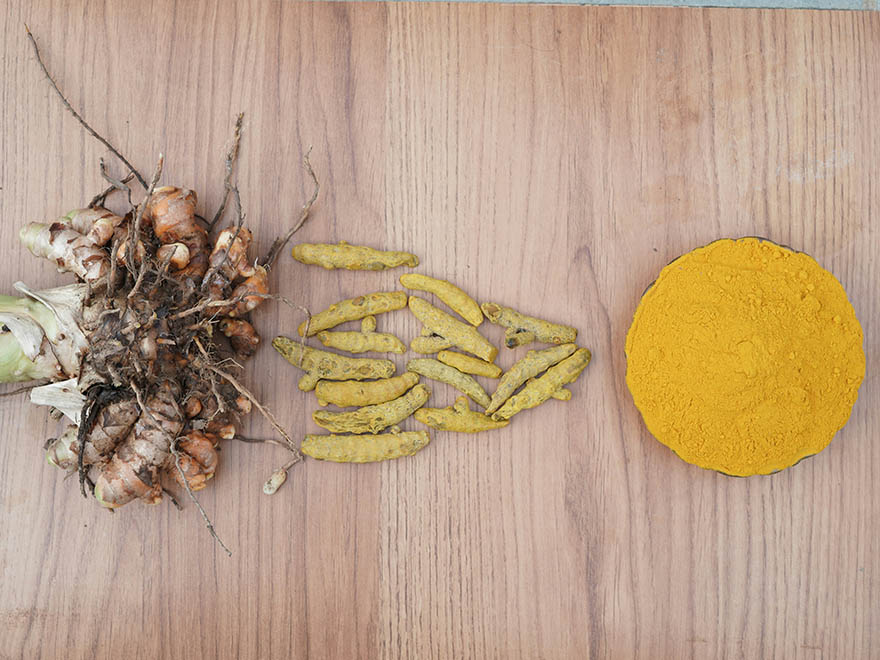
- 1/4 to 1/2 teaspoon (1 to 2.5 ml) turmeric powder. Standard grocery store turmeric from the spice aisle.
- 1 quart (about 1 L) warm water. Warm means comfortable to the touch, around 75°F to 90°F (24°C to 32°C). Not hot. Heat kills the bacteria.
Mix it:
- Pour 1 quart (about 1 L) of warm water into a clean jar or pitcher.
- Add the Bacillus subtilis starter per the product's label directions. Follow the manufacturer's rate. Don't guess.
- Add 1/4 to 1/2 teaspoon (1 to 2.5 ml) of turmeric powder. Stir until the turmeric is dispersed. The water will turn yellow-orange.
- Cover loosely with a cloth, paper towel, or loose lid. The bacteria need air exchange during incubation.
- Let the mixture sit at room temperature for 24 hours. This incubation period allows the Bacillus subtilis to multiply and interact with the curcumin in the turmeric.
After 24 hours, the concentrate is ready to dilute and apply.
The turmeric limit matters. Do not exceed 1/2 teaspoon per quart. More turmeric does not mean more boost. Higher concentrations can inhibit bacterial growth instead of enhancing it. Stick to the range.
Storage: use the concentrate within 48 hours. Bacillus subtilis is alive. Once activated and multiplied, the bacterial population peaks around 24 to 48 hours and then declines. Mix fresh for each application cycle.
How to apply
Dilute the concentrate before applying.
Dilution rate: 1/2 to 1 teaspoon (3 to 6 ml) of concentrate per 1 quart (about 1 L) of water. Use the lower rate for preventive applications and the higher rate for active disease pressure.
Soil drench: pour the diluted solution at the base of each plant. About 1 cup (240 ml) per plant for vegetables. Water the root zone, not the leaves, when drenching.
Foliar spray: pour the diluted solution into a spray bottle and mist both sides of leaves until evenly coated. Spray in early morning or evening. Avoid direct midday sun. UV light degrades living bacteria on exposed leaf surfaces.
Frequency: every 7 to 14 days during the growing season. For active disease, spray every 7 days. For prevention, every 14 days is enough. Bacillus subtilis establishes a colony on the leaf surface and root zone. Regular applications maintain the population.
Rotation with Trichoderma: alternate Bacillus subtilis (week 1) with Trichoderma (week 2) for the broadest disease suppression. These two biologicals work through different mechanisms and complement each other. Bacillus produces antibiotics. Trichoderma parasitizes fungi directly. Together they cover more diseases than either one alone.
Why the turmeric boost works
Curcumin is the active compound in turmeric. It has well-documented antifungal and antibacterial properties on its own. When combined with Bacillus subtilis, something specific happens.
Bacillus subtilis produces natural antibiotic compounds called lipopeptides (surfactin, iturin, fengycin). These compounds disrupt fungal cell membranes. Curcumin enhances this activity by making fungal cell walls more permeable. The antibiotics that Bacillus produces penetrate the target more effectively in the presence of curcumin.
The result is up to a 100-fold increase in antifungal effectiveness. This means you need far less product to achieve the same level of disease suppression. A small amount of turmeric-boosted concentrate goes a long way.
This isn't fringe science. Curcumin's synergy with antimicrobial compounds is well studied in food science and medicine. It's one of the most cost-effective upgrades you can make to your disease program.
Where to buy Bacillus subtilis starter
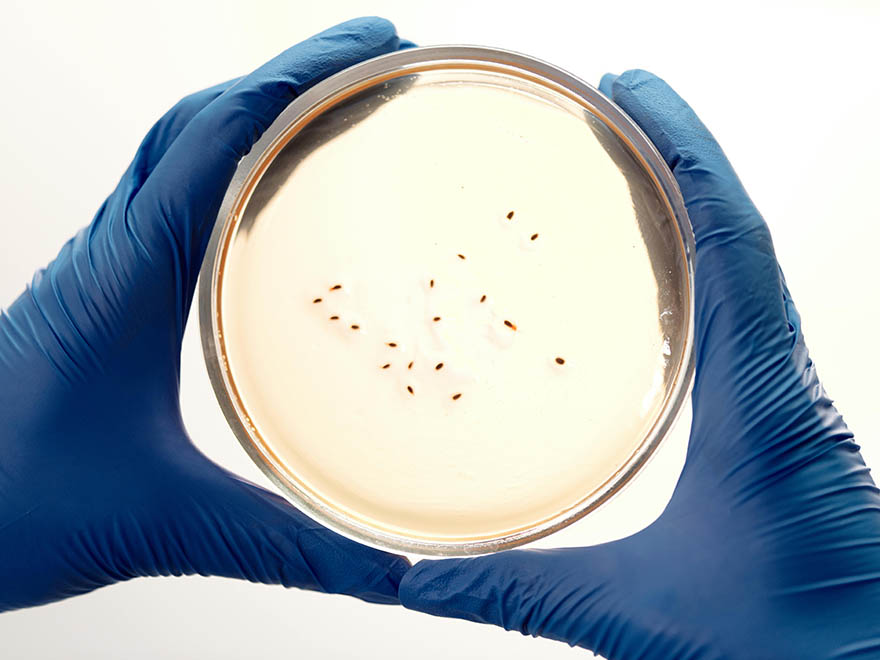
Bacillus subtilis products are widely available in the US.
Garden centers: Serenade Garden Disease Control is the most common retail product. Available at Home Depot, Lowe's, and independent garden centers. It contains Bacillus subtilis as the active ingredient.
Online: Cease, Double Nickel, and generic Bacillus subtilis concentrates are available from Arbico Organics, Greenhouse Megastore, and Amazon. Prices range from $12 to $25 depending on size and concentration.
Hydroponic stores: many carry Bacillus subtilis as part of beneficial microbe packages. Check the label for Bacillus subtilis as a primary active ingredient, not just a trace component.
The turmeric is standard grocery store turmeric powder. Any brand works. A $3 to $5 jar lasts dozens of batches.
What NOT to do
Don't exceed the turmeric amount. 1/4 to 1/2 teaspoon per quart. More turmeric inhibits bacterial growth instead of boosting it. The effective range is narrow and precise.
Don't use hot water. Bacillus subtilis dies above 120°F (49°C). Warm water (75°F to 90°F / 24°C to 32°C) activates the bacteria. Hot water kills them.
Don't mix with copper fungicides. Copper kills Bacillus subtilis on contact. If you use copper-based sprays, space them at least 7 days apart from Bacillus applications. This is the same rule as with Trichoderma.
Don't store the concentrate longer than 48 hours. The bacterial population peaks and then declines. After 48 hours, you're applying dead bacteria. Mix fresh each cycle.
Don't skip the incubation. Just mixing and spraying immediately gives you the label-rate product with turmeric floating in it. The 24-hour incubation allows the bacteria to multiply in the presence of curcumin, which is what creates the boosted effect.
Don't spray in full midday sun. UV light kills bacteria on exposed leaf surfaces. Apply in morning or evening for foliar use. Soil drenches can be applied anytime since the bacteria are protected below the surface.
Which diseases it fights
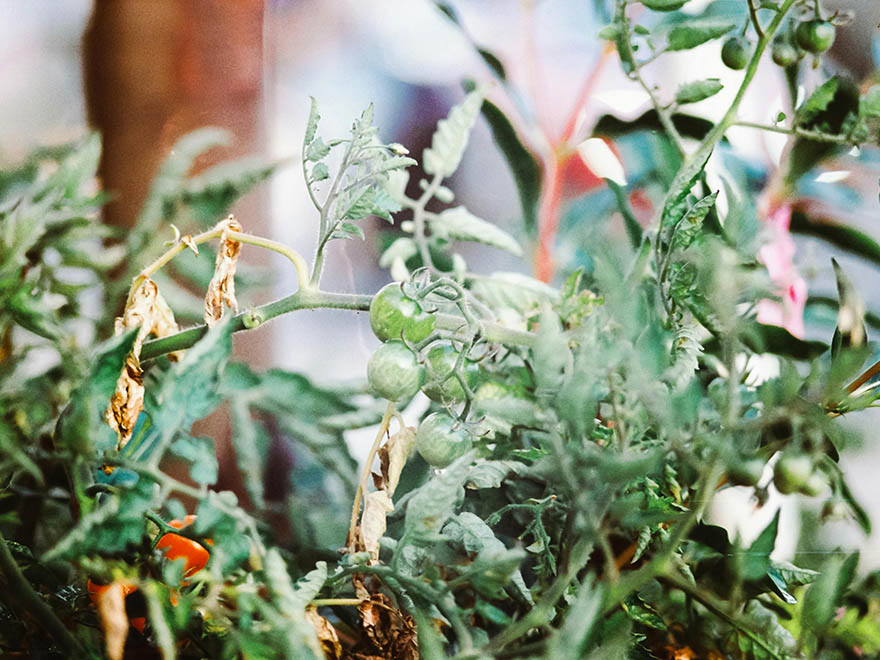
Bacillus subtilis with the turmeric boost is effective against a broad range of fungal and bacterial plant diseases.
- Phytophthora (late blight) — the #1 target. This is the disease that wipes out tomatoes and potatoes in wet seasons. Bacillus subtilis is one of the most effective biological controls against it.
- Fusarium wilt — a soil-borne fungus that blocks water transport in plant stems. Regular soil drenches suppress Fusarium populations in the root zone.
- Botrytis (gray mold) — attacks fruit, flowers, and wounded tissue. Foliar spray protects surfaces where Botrytis spores land.
- Powdery mildew — Bacillus subtilis colonizes the leaf surface and competes with mildew for space. Effective as a preventive.
- Damping off — the seedling killer. Drench seed-starting mix with the diluted solution before sowing.
- Cladosporium (leaf mold) — common in greenhouses and on tomatoes in humid conditions.
FAQ
Does turmeric really boost Bacillus subtilis effectiveness?
Yes. Curcumin, the active compound in turmeric, makes fungal cell walls more permeable to the antibiotic compounds that Bacillus subtilis produces. This synergy increases antifungal effectiveness up to 100 times. The amount is precise: 1/4 to 1/2 teaspoon per quart. More is not better.
What Bacillus subtilis product should I buy?
Serenade Garden Disease Control is the most widely available option at Home Depot and Lowe's. Cease, Double Nickel, and generic Bacillus subtilis concentrates are available online. Any product listing Bacillus subtilis as the primary active ingredient works. Prices range from $12 to $25.
Can I use Bacillus subtilis and Trichoderma together?
Yes, but alternate them rather than mixing in the same application. Use Bacillus subtilis one week and Trichoderma the next. They work through different mechanisms (antibiotics vs. parasitism) and complement each other for broader disease coverage. Both are incompatible with copper fungicides.
How often should I apply Bacillus subtilis with turmeric?
Every 7 to 14 days during the growing season. Every 7 days for active disease pressure, every 14 for prevention. Mix fresh concentrate for each cycle. The 24-hour incubation is essential for the turmeric boost to take effect.
Can I use fresh turmeric root instead of powder?
Powder is easier and more consistent. Fresh turmeric root works but the curcumin concentration varies by piece. If using fresh root, grate about 1/4 teaspoon of finely grated root per quart. Powder from the grocery store spice aisle is the simplest option.
Is this safe for edible crops?
Yes. Bacillus subtilis is classified as safe for food crops by the EPA and is approved for organic use. Turmeric is a food-grade spice. There is no waiting period before harvest. Wash produce as you normally would.
Is there a gardening app that schedules biological treatments?

Yes. The easyDacha garden planner app schedules disease prevention and feeding tasks by growth stage for every plant in your garden. Download at easydacha.com/download.
The cheapest upgrade to your disease defense
A $3 jar of turmeric. That's what stands between a standard biological fungicide and one that's 100 times more effective. One ingredient, one incubation step, and a fundamentally different level of protection.
The easyDacha gardening app schedules biological treatments, feeding, and spray tasks by growth stage. Each task tells you what to apply and when. No guessing, no spreadsheets.
Try easyDacha app →. The garden planner app that plans your season in 60 seconds. Cancel anytime.
Related reading on easydacha.com
- Homemade Organic Pesticide for the Vegetable Garden — more DIY pest and disease recipes.
- Vegetable Gardening for Beginners: A Step-by-Step Guide — the full beginner guide covering soil, timing, and planning.
- Companion Planting Guide: Double Your Harvest Naturally — plant combinations that reduce disease pressure.
- Why You Shouldn't Plant Tomatoes in the Same Spot as Last Year — crop rotation for disease management.