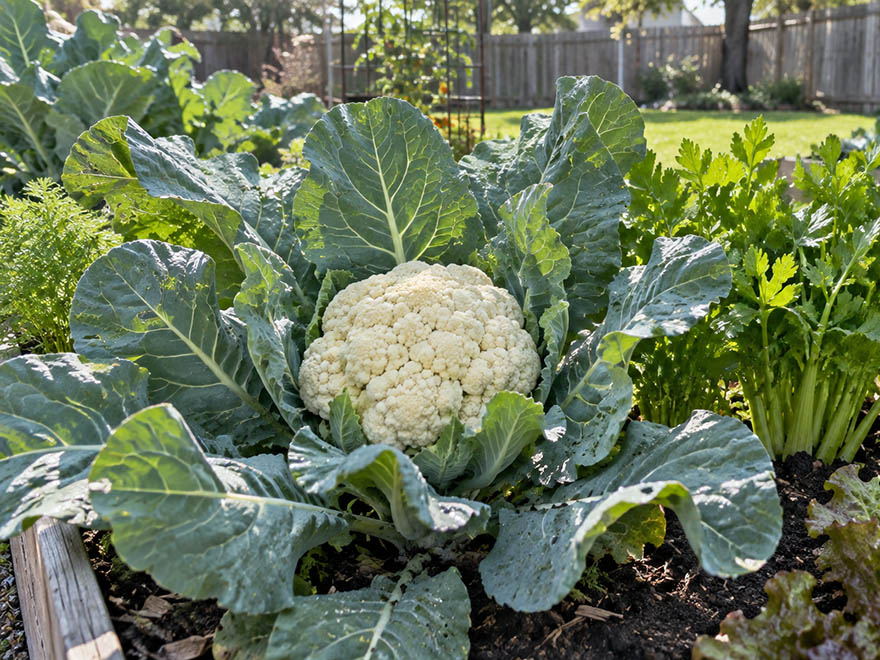
You have a few easy seasons under your belt and you want a real challenge. Or you keep failing at one crop and wonder if it is you or the plant. Some of the vegetables that are difficult to grow but worth it are hard for a reason, and knowing that reason is half the battle. Get the timing right and these crops reward you with flavor you cannot buy at a store.
TL;DR: The vegetables that are difficult to grow but worth it include cauliflower, celery, head lettuce, and melons. Each fails for a specific reason, usually timing or steady conditions, and each succeeds once you fix that one thing.
6 Hard Vegetables Worth Growing, Ranked by Difficulty
Here are the crops most worth the extra effort, ranked by how tricky they are and why.
- Cauliflower. The classic hard one. It needs a steady, cool run to form a head and stalls at the first stress.
- Celery. A long, slow, thirsty crop that demands constant moisture from start to finish.
- Head lettuce. Easy to sprout, hard to head. It bolts and turns bitter the moment it gets hot.
- Melons and watermelon. Long season, big space, and a real need for heat and sun.
- Brussels sprouts. A marathon crop that needs months of cool weather to sprout properly.
- Artichokes. Space-hungry perennials that take patience but produce for years in mild zones.
Each one is beatable. The trick is matching the crop to your season, which our first vegetable garden guide covers for the easier crops first.
Why cauliflower is the hardest common vegetable
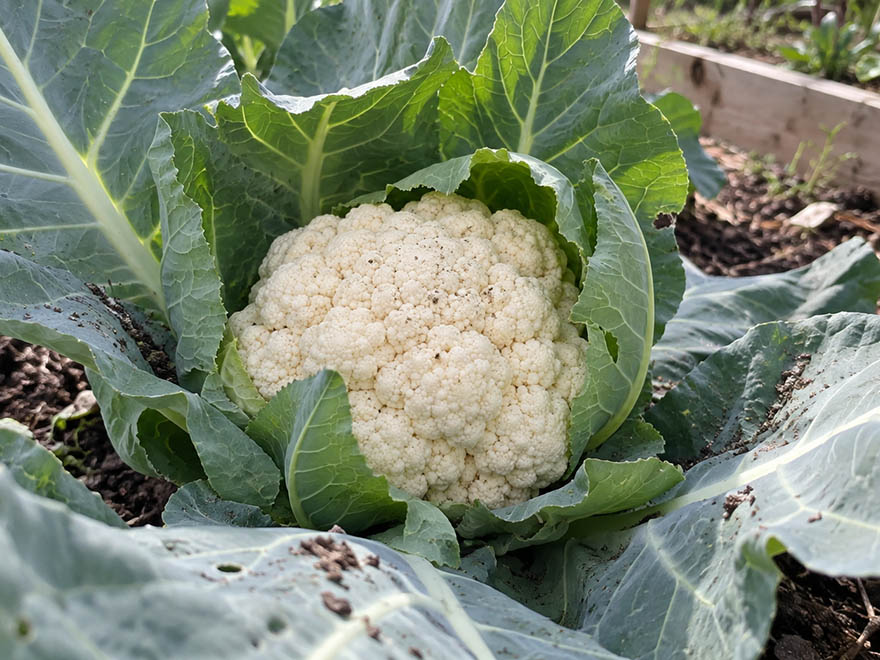
Cauliflower is more difficult than its cabbage-family cousins because it will not tolerate interruption. Any check from cold, heat, drought, or root damage can stop the head from forming.
The timing squeeze is brutal. You must start it early enough to mature before summer heat, but not so early that a cold snap injures the young plant. In some seasons that window barely exists.
The fix is steady conditions. Keep it cool, moist, and fed evenly, and never let it dry out or bake. If a stress hits, the plant may button up into tiny useless heads. This is why cauliflower tops most lists of the hardest vegetables to grow at home.
Celery and head lettuce: the patience crops
Celery is hard because it is slow and thirsty. It has weak roots, a long season, and it needs steady moisture the entire time. Let it dry out once and the stalks turn stringy and bitter.
Start celery indoors well ahead of your season, since it develops slowly. Keep the soil consistently damp and feed it regularly. The reward is crisp, fragrant stalks that taste nothing like the watery store version.
Head lettuce is a different puzzle. It sprouts easily but struggles to form a tight head. Lettuce thrives at 60°F to 70°F (16°C to 21°C), and high heat stunts it, turns it bitter, and pushes it to bolt. Plant it in early spring or late summer, never into summer heat. Our seed starting troubleshooting guide helps if your lettuce fails before it even gets going.
Melons and the long-season crops
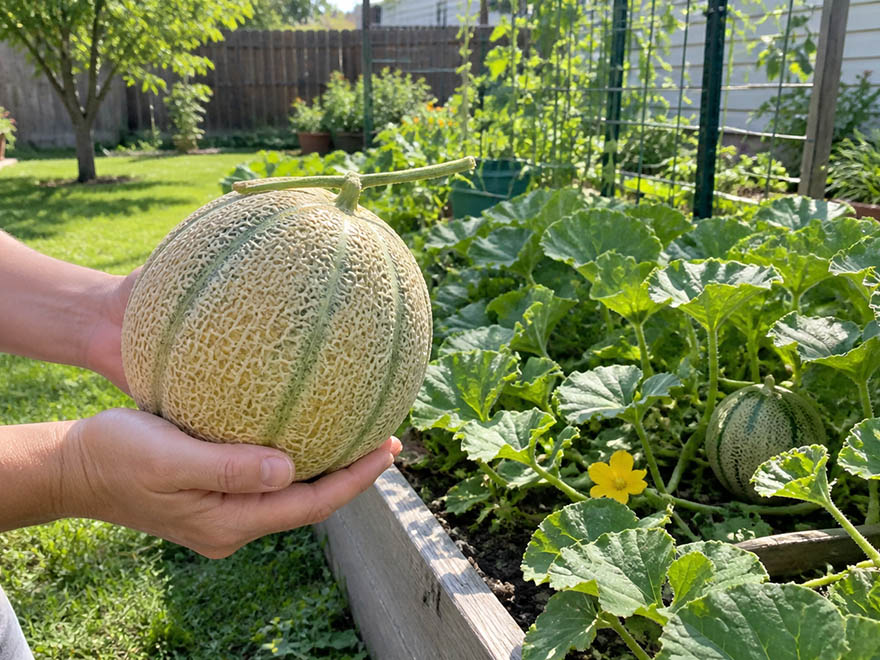
Melons and watermelons are difficult because they demand a lot of everything: heat, sun, space, and time. They also dislike being transplanted, so root disturbance sets them back.
Give them the sunniest spot, rich soil, and room to sprawl. In short-season areas, start them in pots and move them out carefully after all frost danger passes. They are also among the hardest vegetables to grow from seed, since they resent root disturbance and need warm soil to germinate. They need warmth to sweeten, so a cool summer can leave them bland.
Brussels sprouts share the long-season problem from the other direction. They need months of cool weather and often taste best after a light frost. Rush them and the sprouts stay loose and small.
Are these hard crops worth it for you?
Worth it depends on your season and your patience. A crop that is hard in one region is easy in another, so match your ambition to your climate.
- Cool, long springs and falls. Great for cauliflower, celery, and head lettuce.
- Hot, long summers (USDA zone 8, zone 9). Ideal for melons and watermelon.
- Mild-winter zones (USDA zone 8, zone 9, zone 10). Artichokes can overwinter and crop for years.
- Short seasons. Start hard crops indoors and lean on quick wins too.
If a crop keeps failing, there is no shame in an easier swap. Our kale growing guide offers a tough, forgiving green while you build up to cauliflower. Pairing crops well also helps, and our companion planting guide shows which plants support each other.
The real skill with hard crops is timing
Every crop on this list fails for the same core reason: the wrong timing for its needs. Cauliflower planted a week late, lettuce sown into heat, melons out before the soil warms. Nail the calendar and half the difficulty disappears. That is exactly what a garden planner app is built for.
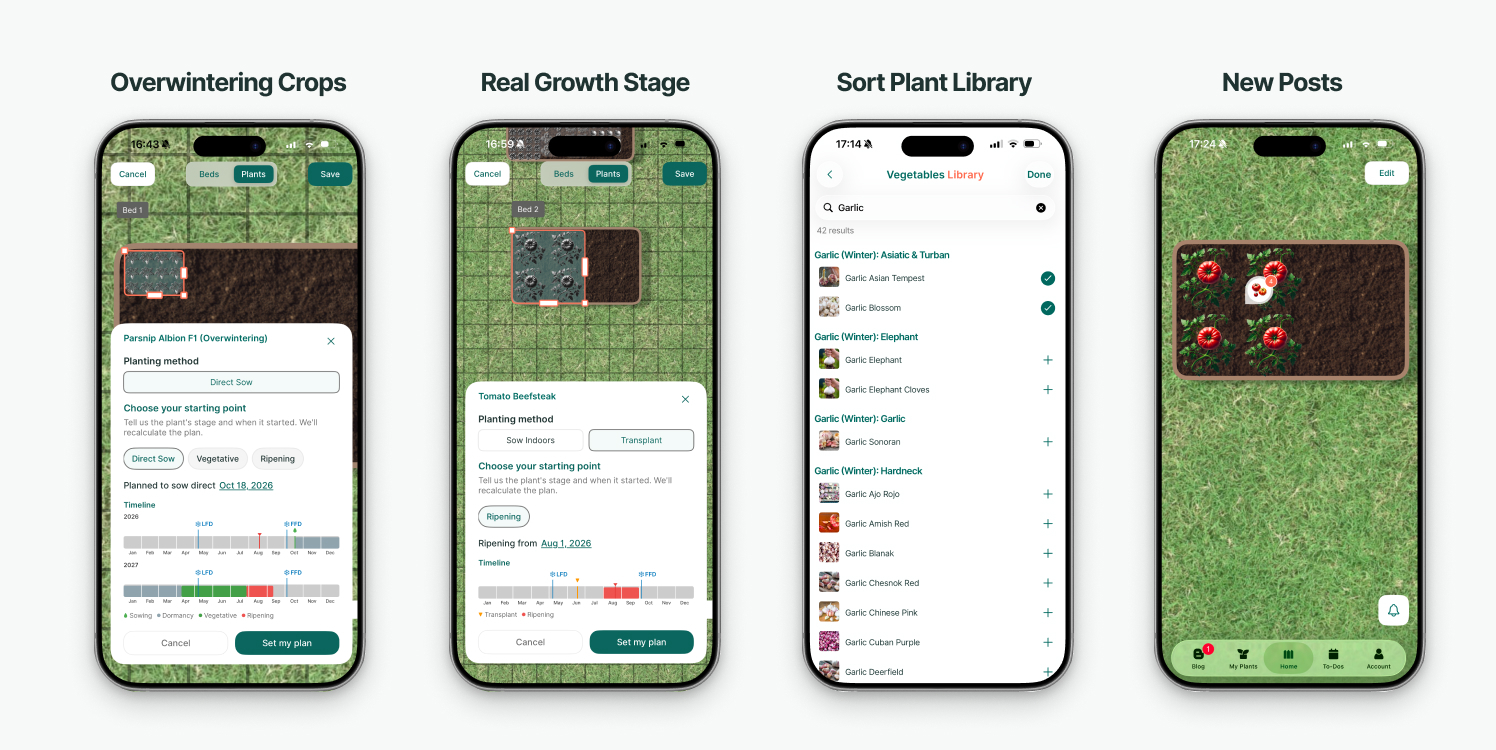
easyDacha calculates the exact start and transplant dates for each crop from your ZIP code, so cool-season crops go in during the cool window and heat lovers wait for warm soil. You get a two-week task list tied to your beds, with feeding and watering reminders that keep demanding crops on track. Even growing tomatoes from seed gets easier with the timing handled, as our tomato seed guide shows.
Try easyDacha, the vegetable garden app that turns hard crops into a plan you can follow. Cancel anytime.
Common Questions About Hard Vegetables to Grow
What are the hardest vegetables to grow at home?
Cauliflower, celery, head lettuce, and melons are among the hardest vegetables to grow at home. Cauliflower needs uninterrupted cool weather, celery needs constant moisture, lettuce bolts in heat, and melons need a long, hot season with plenty of space.
Is cauliflower hard to grow?
Yes, cauliflower is one of the hardest common vegetables to grow. It will not form a proper head if it faces cold, heat, drought, or root stress. Steady, cool, moist conditions from start to finish are the only way to succeed with it.
Which difficult crops are worth growing?
The difficult crops most worth growing are cauliflower, celery, and melons, because the homegrown flavor far beats store versions. Head lettuce and Brussels sprouts also reward the effort. Each is worth it once you match its timing to your season.
Why does my lettuce not form a head?
Head lettuce fails to form a head mostly because of heat. It thrives at 60°F to 70°F (16°C to 21°C), and warm weather stunts growth, causes bitterness, and triggers bolting. Plant it in early spring or late summer to give it the cool it needs.
Is there an app that helps grow difficult vegetables?
Yes. easyDacha is a garden planner app that fixes the timing that makes hard crops fail. It calculates exact planting dates from your ZIP code and builds a two-week task list, so cauliflower, celery, and melons each get their ideal window.