
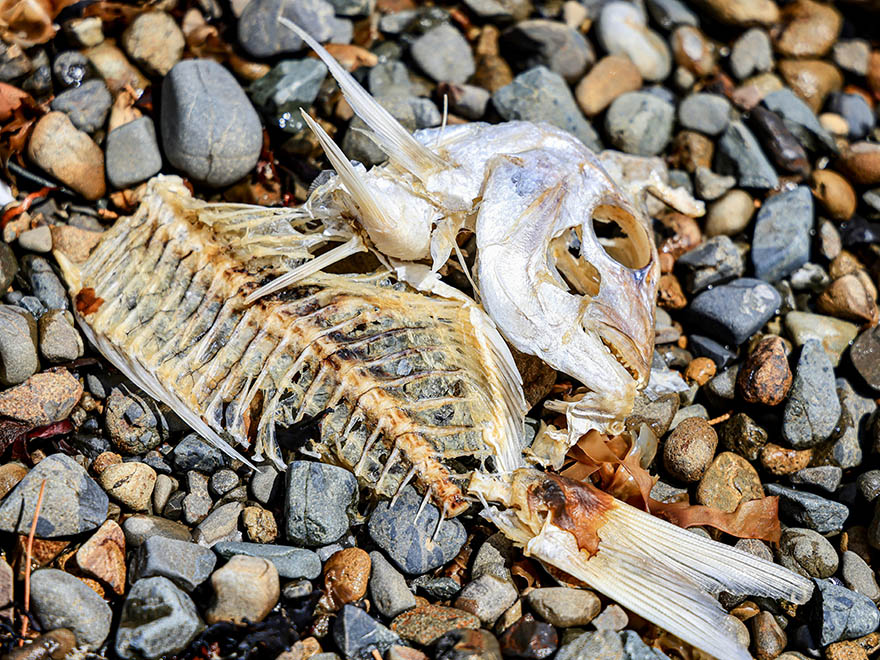
Bone meal is the standard phosphorus source for gardens. The problem is that raw bone meal takes months to break down in soil. Most of that phosphorus stays locked up as insoluble calcium phosphate. Citric acid changes that. It converts the locked phosphorus into a form your plants can absorb right away.
TL;DR: Dissolve about 1.75 oz (50 g) of citric acid in 2 cups (500 ml) of water. Submerge clean, fat-free bone pieces. Wait 3 to 4 days until bones turn soft. Strain. Dilute 1 tablespoon (15 ml) of concentrate per 1 quart (1 L) of water. Apply at pre-flowering and fruiting stages. Keeps up to 2 months in the fridge.
The recipe
You need:
- About 1.75 oz (50 g) citric acid (food-grade powder from any grocery store or Amazon)
- 2 cups (500 ml) of water
- A handful of clean, defatted bones, cracked into small pieces (1/2 to 3/4 inch / 1 to 2 cm)
- A glass jar with a loose lid (at least 1 quart / 1 L)
- A fine strainer or cheesecloth
Prepare the bones first:
- Collect leftover bones from chicken, beef, pork, or fish. Any bones work.
- Boil the bones for 20 to 30 minutes to remove fat and meat scraps. Skim the fat off the top.
- Let the bones cool. Pick off any remaining meat or cartilage.
- Crack the bones into small pieces, about 1/2 to 3/4 inch (1 to 2 cm). Use a hammer or the back of a heavy knife. Smaller pieces dissolve faster.
Make the concentrate:
- Dissolve about 1.75 oz (50 g) of citric acid in 2 cups (500 ml) of room-temperature water. Stir until the powder is fully dissolved. This makes a 10% citric acid solution.
- Place the bone pieces in your glass jar.
- Pour the citric acid solution over the bones until they are fully submerged. If you have more bones, scale up: use 3.5 oz (100 g) citric acid per 4 cups (1 L) of water.
- Cover loosely. Do not seal airtight. The reaction produces some gas.
- Let it sit at room temperature for 3 to 4 days. Stir once daily.
- The bones are ready when they feel soft and rubbery. They should bend easily between your fingers. If they are still hard after 4 days, add another tablespoon of citric acid and wait 1 more day.
- Strain the liquid through cheesecloth or a fine strainer. The liquid is your concentrate.
Store the concentrate in a sealed glass jar in the refrigerator. It keeps for about 2 months.
How to use it
One dilution. Two application methods.
Soil drench (main use):
Dilute 1 tablespoon (15 ml) of concentrate per 1 quart (1 L) of water. Pour at the base of each plant. Apply every 2 to 3 weeks during flowering and fruiting stages. This delivers phosphorus and calcium directly to the root zone where the plant needs it most. Works especially well alongside your regular fertilizer schedule.
Foliar spray (secondary use):
Same dilution: 1 tablespoon (15 ml) per 1 quart (1 L). Spray leaves in the evening. Foliar feeding bypasses slow root uptake when the plant is under stress or soil temperatures are low. Use this as a supplement, not a replacement for soil drenching.
Which plants benefit most
Phosphorus drives flowering, fruit set, and root development. But not every plant needs a boost at the same time.
Best results: Tomatoes. This is the #1 crop for bone citrate. Tomatoes are heavy phosphorus feeders during fruiting. Low phosphorus leads to poor fruit set and contributes to blossom end rot when calcium transport breaks down. The bone citrate concentrate delivers both phosphorus and calcium in one drench.
Strong results: Peppers, eggplant, and squash. All fruiting vegetables need a phosphorus bump when they transition from vegetative growth to flowering. Apply the drench when you see the first flower buds forming.
Good results: Potatoes. Phosphorus is critical for tuber formation and sizing. Apply during the tuber initiation phase (when plants start flowering above ground). One application every 2 weeks through harvest.
Useful for: Strawberries and other fruiting berries. The calcium component helps with fruit firmness. Apply during flowering and early fruiting.
Moderate benefit: Cucumbers and melons. These crops respond well to the calcium in the concentrate. Cucumbers naturally release citric acid from their roots to mobilize soil nutrients. This concentrate does the same job from the outside.
Less useful for: Leafy greens (lettuce, spinach, kale) and alliums (onions, garlic). Leafy crops prioritize nitrogen over phosphorus. Onions are modified leaves, not fruit, so phosphorus demand is lower. Save your concentrate for the crops that fruit.
Why it works
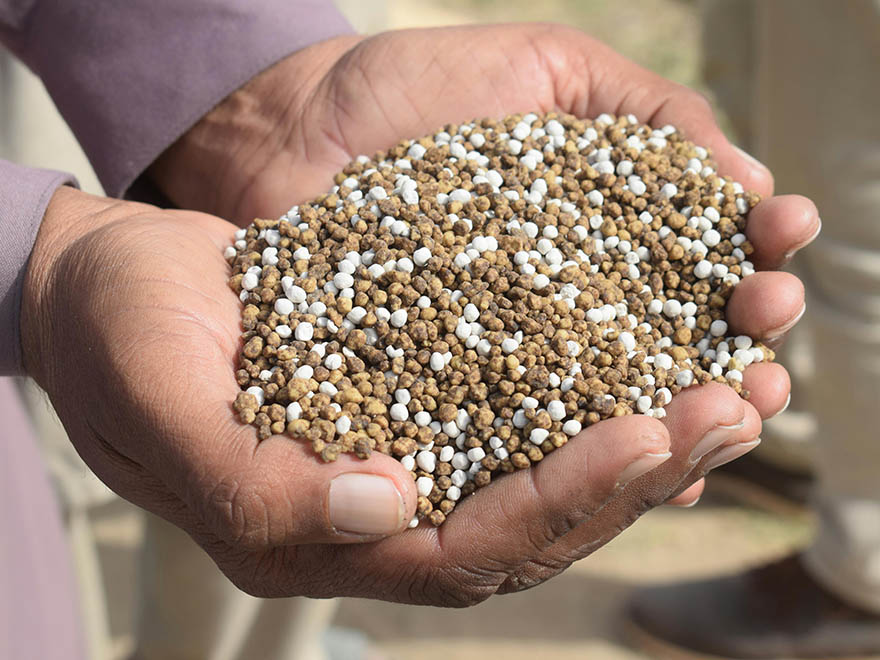
Bones are about 60% to 70% calcium phosphate by weight. The specific compound is tricalcium phosphate, Ca3(PO4)2. This is one of the most insoluble forms of phosphorus in nature. That is why bone meal sits in soil for months without doing much. Plant roots cannot absorb it directly.
Citric acid converts tricalcium phosphate into two soluble compounds: monocalcium phosphate and calcium citrate. Both dissolve in water. Both are immediately available to plant roots. The chemistry is the same reaction that happens naturally in healthy soil when plant roots and soil microbes release organic acids to unlock minerals. You are just doing it in a jar instead of waiting for soil biology to get around to it.
The concentrate also delivers calcium in a bioavailable form. Calcium is the nutrient that prevents blossom end rot in tomatoes and peppers. Most blossom end rot is not caused by a lack of calcium in the soil. It is caused by the plant's inability to transport calcium fast enough during rapid fruit growth. Soluble calcium citrate gets there faster than insoluble calcium carbonate from lime or raw bone meal.
What NOT to do
Do not skip defatting the bones. Fat creates a greasy film that blocks the citric acid from reaching the bone surface. Boil the bones first. Skim the fat. Clean them well. Fatty bones will not dissolve properly and the concentrate will smell rancid.
Do not use this on seedlings. Excess phosphorus at the seedling stage causes "lazy roots." The plant skips building a strong root system when nutrients are too easy to find. Keep seedling soil lean. Start applying bone citrate only when the plant enters its flowering phase. For seedling care, follow the indoor seedling guide instead.
Do not combine with copper-based fungicides. Copper products like Bordeaux mixture bind with phosphates in the soil and lock them up. If you have been using copper fungicides, wait at least 4 weeks before applying bone citrate. Otherwise, the phosphorus you just made available gets immobilized again. Use Bacillus subtilis or Trichoderma instead of copper when possible.
Do not confuse purple leaves with phosphorus deficiency. Purple stems and leaf undersides after transplanting are almost always cold stress, not phosphorus deficiency. The plant produces anthocyanins as a defense response to low temperatures. As the soil warms, the color fades on its own. Test first: warm the soil and wait a week. If the purple persists, then consider a phosphorus application.
Do not use more concentrate than the recipe calls for. One tablespoon per quart is the working dilution. More is not better. Excess phosphorus disrupts the balance of other nutrients in the soil and can cause problems with iron and zinc uptake.
FAQ
What is bone citrate and how is it different from bone meal?
Bone citrate is the product of dissolving bones in citric acid. It converts insoluble tricalcium phosphate into soluble monocalcium phosphate and calcium citrate. Standard bone meal contains the same phosphorus, but in a form that takes months to break down in soil. Bone citrate is immediately available to plant roots.
How long does it take to make bone citrate concentrate?
Three to four days. Prepare the bones by boiling and cracking them. Submerge in a 10% citric acid solution. Stir daily. The bones are ready when they feel soft and rubbery.
When should I apply bone citrate to my plants?
At pre-flowering and fruiting stages. Do not use on seedlings. Start when you see the first flower buds forming. Apply every 2 to 3 weeks through harvest. This is when plants need phosphorus most for fruit set and development.
Can bone citrate prevent blossom end rot in tomatoes?
It helps. Blossom end rot is a calcium transport issue. Bone citrate delivers both phosphorus and soluble calcium directly to the root zone. Consistent watering is equally important, because calcium moves through the plant with water. Bone citrate alone will not fix it if watering is irregular.
Which bones work best for this recipe?
Any kitchen bones work. Chicken, beef, pork, and fish bones all contain tricalcium phosphate. Beef and pork bones are denser and take slightly longer to dissolve. Chicken and fish bones dissolve faster. Mix whatever you have.
How long does the concentrate keep?
About 2 months refrigerated in a sealed glass jar. The citric acid acts as a preservative. If the concentrate develops an off smell or visible mold, discard it and make a new batch.
Is there a gardening app that schedules phosphorus feeding?
Yes. The easyDacha garden planner app schedules feeding tasks by growth stage for your ZIP code. It tells you when your plants transition from vegetative growth to flowering, which is exactly when to start bone citrate applications. Download at easydacha.com/download.
Free phosphorus from your kitchen scraps

Every time you throw out chicken bones or beef scraps, you are throwing out phosphorus fertilizer. A jar of citric acid and 4 days of patience turn those scraps into a concentrate. It lasts 2 months and feeds your fruiting plants through harvest. The chemistry is real. The cost is close to zero.
The easyDacha gardening app schedules feeding tasks by growth stage and reminds you when it is time to switch from nitrogen to phosphorus.
Try easyDacha app →. The garden planner app that plans your season in 60 seconds. Cancel anytime.
Related reading on easydacha.com
- Simple Fertilizer Plan for Flowering Vegetables — the full feeding schedule that bone citrate fits into. Phosphorus timing depends on growth stage.
- How to Use Eggshells as Calcium Fertilizer and Slug Barrier — another kitchen-scrap calcium source. Eggshells supply calcium carbonate; bone citrate supplies calcium citrate. Different compounds, different speeds.
- How to Brew Compost Tea the Right Way (Aerated Recipe) — compost tea adds the soil biology that helps mobilize phosphorus naturally. Pair it with bone citrate for a complete system.
- How to Identify Plant Diseases: Early Signs and What to Do — learn to spot blossom end rot and other deficiency symptoms before they spread.