
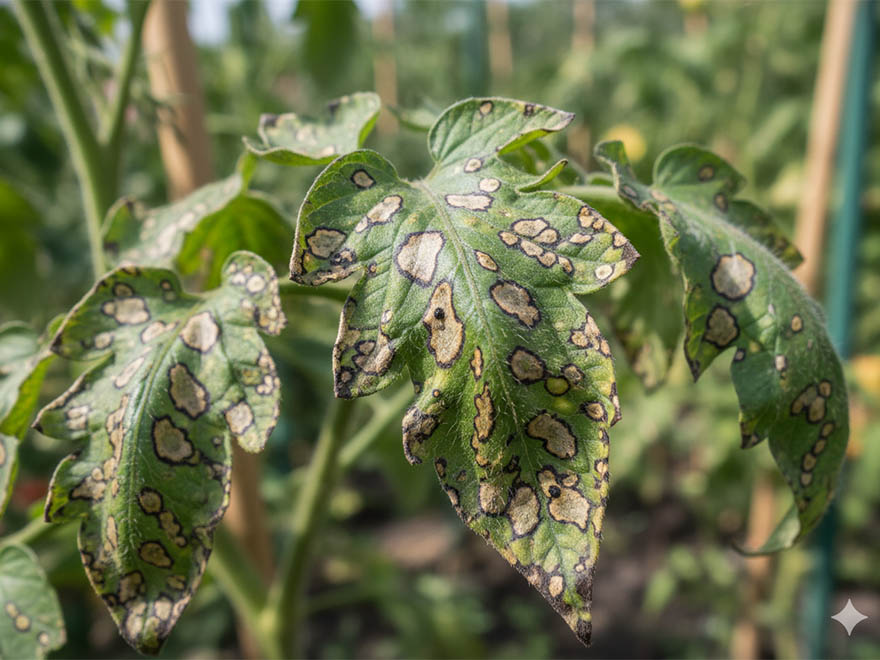
You spray for blight, the leaves clear up, and two weeks later the spots are back. The problem is not the treatment — it is the gap between treatments. Your plants need a barrier that stays on the leaf surface and blocks whatever lands next. Propolis is the resin bees use to seal cracks in the hive and coat every surface with an antimicrobial layer. Dilute propolis tincture in water, spray it on foliage, and the sticky residue blocks fungal spores, repels whiteflies, and seals pruning wounds. It is not a cure. It is a shield.
TL;DR: Mix 1.5 tablespoons (23 ml) of propolis tincture into 1 gallon (3.8 liters) of water. Spray leaves top and bottom every 10 to 14 days during active growth. The resin film acts as an antiseptic barrier against leaf diseases and deters whitefly, aphids, and other soft-bodied pests.
The recipe
You need
- Propolis tincture: 1.5 tablespoons (23 ml). Buy alcohol-based propolis tincture (usually 10-30% propolis in ethanol) at a health food store, beekeeper supply, or Amazon. A 2 oz bottle costs $8 to $12.
- Water: 1 gallon (3.8 liters)
- A pump sprayer or large spray bottle
- A stick or spoon for stirring
Do it
- Pour 1 gallon (3.8 liters) of room-temperature water into a bucket or directly into your pump sprayer.
- Add 1.5 tablespoons (23 ml) of propolis tincture. The liquid will turn cloudy as the resin disperses.
- Stir or shake well for 30 seconds. Propolis resin does not dissolve perfectly in water, but the alcohol in the tincture helps it disperse into a fine milky suspension.
- Use immediately. The resin starts settling within an hour. Shake your sprayer every few minutes while applying.
How to use it
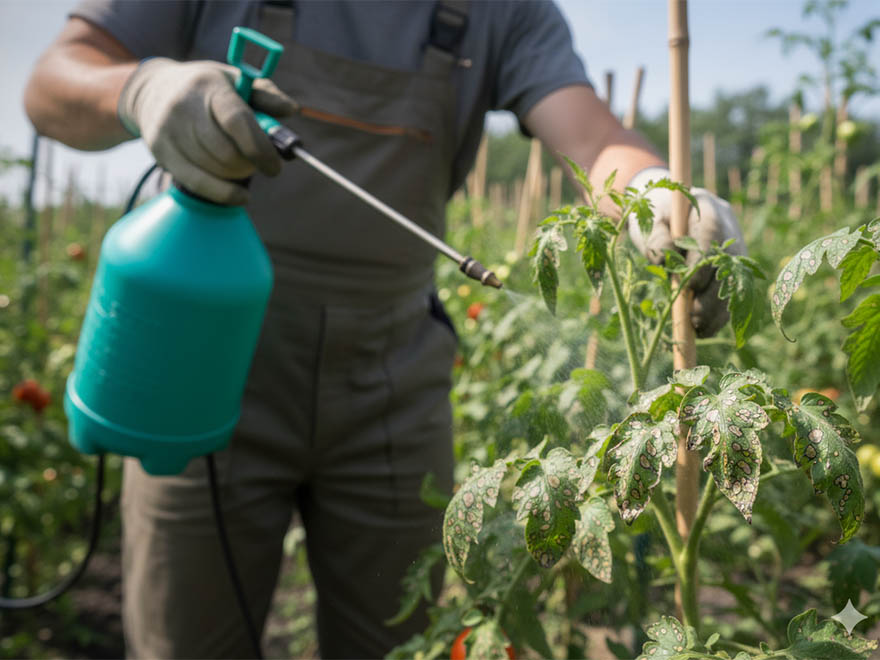
Foliar spray (main method):
Spray both sides of every leaf, focusing on the undersides where whiteflies hide and fungal spores land first. Apply until leaves are evenly coated but not dripping. The resin dries into a thin, slightly tacky film that persists for 7 to 14 days depending on rain and sun exposure.
When to apply:
Start spraying when plants are established and actively growing (past the transplant recovery stage). Apply every 10 to 14 days through the growing season. Spray in the morning or evening, not during midday heat. The alcohol in the diluted spray evaporates quickly, but spraying in full sun while leaves are wet can cause temporary spotting.
After pruning or damage:
Spray pruning wounds and damaged stems immediately after cutting. Propolis acts as a natural wound sealant, reducing the chance of bacterial or fungal infection entering through fresh cuts. This is the same function it serves in the beehive: sealing and disinfecting openings.
Preventive vs. reactive:
Propolis works best as prevention. The resin film must be on the leaf surface before fungal spores land or before whiteflies arrive. Once a fungal infection is established inside leaf tissue, propolis spray will not cure it. If you already have active disease, treat with the appropriate remedy first (iodine-milk spray for blight, milk spray for mildew), then add propolis as a barrier to prevent reinfection.
Which plants benefit most
Propolis spray works on any plant, but the protection is most valuable on crops prone to leaf disease and whitefly pressure.
Best response: Tomatoes. Tomato leaves are magnets for bacterial speck, bacterial spot, early blight, and late blight. The propolis resin film slows spore germination on the leaf surface. It does not replace fungicide treatments for active blight, but it reduces the rate of new infections between treatments. Combine with peppermint oil spray for layered anti-Phytophthora protection.
Best response: Greenhouse and indoor crops. Whitefly is the #1 pest in enclosed growing spaces. Propolis spray on leaf undersides makes surfaces tacky and unpleasant for whitefly landing and egg-laying. Stack with henna extract spray for active whitefly infestations.
Strong response: Peppers and eggplant. Same nightshade family disease pressures as tomatoes. Propolis is particularly useful on peppers because their thin leaves are vulnerable to bacterial leaf spot.
Strong response: Cucumbers, squash, and melons. The resin film discourages powdery mildew spore attachment. Not as effective as milk spray for active mildew, but it slows colonization on untreated leaves.
Good response: Roses and ornamentals. Propolis reduces black spot and rust severity on roses. The sticky film also deters aphids on new growth.
Moderate response: Root crops and leafy greens. These crops have fewer above-ground disease pressures. Propolis spray is not harmful but rarely necessary.
Not needed for: Healthy plants with no history of disease or pest pressure in low-humidity climates. The barrier is most valuable where conditions favor fungal growth and whitefly activity.
Why it works
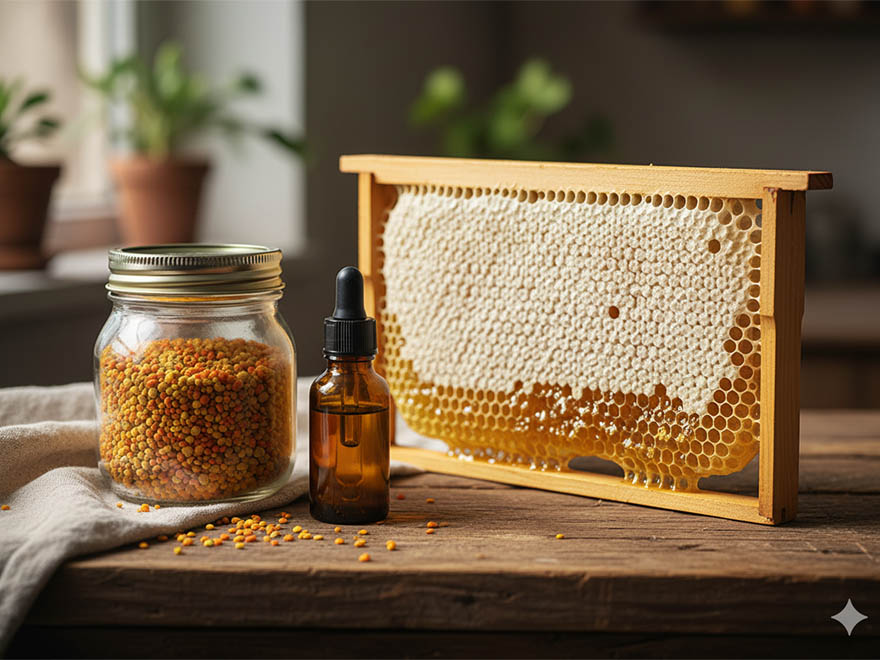
Propolis contains over 300 identified compounds, but the ones that matter for plants are the flavonoids (pinocembrin, galangin, chrysin) and the caffeic acid phenethyl ester (CAPE). These compounds have three effects on plant surfaces:
Antifungal surface activity: Flavonoids in propolis inhibit the germination of fungal spores on contact. When a spore lands on a propolis-coated leaf, the flavonoids disrupt the spore's cell membrane before it can penetrate the leaf surface. This has been studied on Botrytis, Alternaria, and Fusarium species. The effect is preventive, not curative. The propolis must be on the surface before the spore arrives.
Physical barrier: The resin dries into a thin, slightly sticky film. This film does two things: it makes it mechanically harder for fungal hyphae to penetrate the leaf cuticle, and it makes the leaf surface unpleasant for soft-bodied insects. Whiteflies prefer smooth, clean leaf undersides for landing and egg-laying. A tacky resin layer disrupts that preference.
Wound sealing: When applied to pruning cuts or damaged tissue, the resin hardens into a protective layer similar to what bees create inside the hive. It physically seals the wound and delivers antimicrobial compounds directly to exposed tissue. This is the oldest known use of propolis in agriculture. Grafting practitioners have used propolis-based sealants for decades.
The alcohol in the tincture serves as a carrier. It dissolves the resin so it can be diluted in water. Once sprayed, the alcohol evaporates within minutes and the resin remains on the leaf.
What NOT to do
Do not spray on seedlings younger than 3 weeks. The alcohol base in propolis tincture can burn tender seedling leaves. Wait until plants have hardened off and are actively growing before applying.
Do not use water-based propolis extract interchangeably with alcohol-based tincture. Water-based propolis extract contains fewer resin compounds because propolis resins are not water-soluble. The alcohol tincture delivers significantly more of the active flavonoids and CAPE. If you can only find water-based extract, double the dose to 3 tablespoons per 1 gallon.
Do not apply in full midday sun. The alcohol in the diluted spray combined with intense UV can cause temporary leaf spotting, especially on thin-leaved crops like peppers. Spray in the morning or evening.
Do not expect it to cure existing infections. Propolis is preventive. It slows new infections by creating an inhospitable surface. If your tomatoes already have active late blight lesions, treat with Bordeaux mixture or copper first, then add propolis spray to protect healthy tissue.
Do not mix with copper-based sprays in the same tank. Copper ions can destabilize the propolis resin suspension and reduce the effectiveness of both products. Apply them on different days, at least 3 days apart.
Do not use propolis tinctures that contain added oils or glycerin. Some health-store propolis products are formulated for oral use with added carrier oils. These oils can clog leaf stomata and reduce gas exchange. Use plain alcohol-based propolis tincture only.
FAQ
What strength propolis tincture should I buy?
Most propolis tinctures sold in health food stores are 10% to 30% propolis in alcohol. Any of these work. A 10% tincture is the most common and the recipe is calibrated for it. If you have a 30% tincture, you can reduce the dose to 0.75 tablespoons (11 ml) per 1 gallon and get similar results.
Where do I buy propolis tincture in the US?
Health food stores (Whole Foods, Sprouts, local co-ops), beekeeper supply shops, and Amazon. Brands like Y.S. Eco Bee Farms, Beekeeper's Naturals, and NaturaNectar sell propolis tincture. A 1 oz bottle runs $8 to $12 and treats about 20 gallons of spray solution.
Does propolis spray leave residue on fruit?
The resin film is thin and washes off with water. It does not affect the taste or safety of harvested fruit. Stop spraying 3 to 5 days before harvest if you want perfectly clean fruit for market.
Can I make propolis tincture myself from raw propolis?
Yes, but it takes 2 to 4 weeks. Place raw propolis chunks in a jar and cover with 70% ethanol (grain alcohol or high-proof vodka). Seal and shake daily. After 2 to 4 weeks, strain through cheesecloth. The resulting tincture is concentrated and works the same as store-bought.
Does propolis spray harm bees or beneficial insects?
No. Propolis is produced by bees and is non-toxic to them. It does not harm ladybugs, lacewings, parasitic wasps, or other beneficials. The deterrent effect is physical (sticky surface), not chemical toxicity, and only affects small soft-bodied insects that rest on the treated surface.
Can I combine propolis spray with other foliar treatments?
Apply propolis on a different day than copper-based sprays (Bordeaux, copper sulfate). Propolis can be applied the same day as milk spray or iodine-milk spray without conflict. Wait at least 2 hours between applications so each product can dry and form its own layer.
Is there a gardening app that schedules preventive plant treatments?
Yes. The easyDacha garden planner app schedules protection and feeding tasks by growth stage and sends reminders before disease pressure peaks. Download at easydacha.com/download.
The beehive trick for your garden leaves

Bees figured out antimicrobial surface coatings millions of years ago. They collect tree resin, process it into propolis, and coat every surface of the hive. You can borrow the same resin by diluting propolis tincture in water and spraying it on your tomatoes, peppers, and cucumbers. The film discourages fungal spore germination, makes leaf surfaces unpleasant for whiteflies, and seals pruning wounds. Preventive, nontoxic, and available at any health food store.
The easyDacha gardening app schedules protective sprays by growth stage so your plants get covered before disease pressure arrives.
Try easyDacha app →. The garden planner app that plans your season in 60 seconds. Cancel anytime.
Related reading on easydacha.com
- How to Make Iodine-Milk Spray Against Late Blight (Tomato and Potato Recipe) — treats active blight on leaves. Apply propolis after iodine-milk to create a barrier that slows reinfection.
- How to Make Henna Extract to Kill Whiteflies (Natural Contact Spray) — henna kills whiteflies on contact. Propolis creates a landing deterrent. Different mechanisms, complementary tools.
- How to Use Peppermint Oil Spray Against Phytophthora and Garden Pests — peppermint disrupts Phytophthora zoospores. Propolis shields the leaf surface afterward. Layer both for best results.
- How to Make Bordeaux Mixture at Home (Copper Fungicide Recipe) — copper kills fungal spores directly. Apply on separate days from propolis, at least 3 days apart.
- How to Use Bacillus subtilis with Turmeric (100x Boost Recipe) — biological fungicide for soil and leaf surfaces. Propolis adds a physical barrier on top of microbial protection.
- How to Identify Plant Diseases: Early Signs and What to Do — know what you are protecting against. This guide helps you identify leaf diseases before they spread.