
Your seedlings sprouted fine, then just stopped. Two weeks later, same size, pale leaves, thin stems. They are alive but not growing. Before you throw them out, try beer. Malt carries B vitamins, amino acids, and succinic acid that stalled seedlings absorb through their roots. One drench with diluted beer can restart growth in seedlings that have been sitting idle for weeks.
TL;DR: Mix 3/4 cup (about 190 ml) of beer into 1 gallon (3.8 liters) of water. Pour at the base of weak, stalled seedlings as a root drench. Use once, wait 7 to 10 days to see results. Works best on seedlings that have stopped growing but are not diseased. Any cheap lager works.
The recipe
You need
- Beer: 3/4 cup (about 190 ml), any cheap pale lager (Budweiser, Coors, PBR, store brand). Do not use craft IPAs, stouts, dark ales, or flavored beers — hops and extra ingredients add nothing useful. Flat or fresh, does not matter. Non-alcoholic beer works too.
- Water: 1 gallon (3.8 liters) per batch
- A measuring cup
- A watering can or cup for pouring
Do it
- Pour 1 gallon (3.8 liters) of water into a watering can or pitcher.
- Add 3/4 cup (about 190 ml) of beer. Stir.
- Done. Use immediately.
No heating, no steeping, no fermenting. The active compounds are already dissolved in the beer. You are diluting them to a concentration that feeds roots without overloading the soil with sugars.
What is in the beer
Cheap pale lagers are brewed from barley malt, which is the source of the B vitamins, amino acids, and succinic acid you want. The simpler the beer, the better. A 6-pack of the cheapest lager at any gas station costs $4 to $6 and gives you enough for 12 to 18 seedling drenches.
How to use it
Root drench (only method):
Pour about 2 to 3 tablespoons (30 to 50 ml) of the diluted beer solution at the base of each seedling. For small cell trays, use less. For 4-inch pots, use the full 50 ml. The goal is to wet the root zone, not flood it.
When to use it:
Use the beer drench when seedlings show signs of stalling. The signs: no new leaves for 7 or more days, pale or yellowish-green color, thin stems that are not thickening, and overall lack of vigor. The seedlings are alive but stuck. This is different from seedlings that are stretching toward light (which is a light problem, not a nutrition problem) or seedlings that are wilting (which is a water or disease problem).
How many times:
Once is usually enough. One drench delivers a metabolic push. Wait 7 to 10 days after the drench to evaluate results. If you see new leaf growth and improved color, the seedling has responded. Do not drench again. If there is no response after 10 days, the problem is likely not nutritional. Check temperature, light, and root health instead.
If you see improvement but the seedling is still weak after 10 days, you can do one more drench. Do not make it a regular habit. Beer contains sugars that feed soil microbes, and repeated drenches can lead to mold on the soil surface or fungus gnat attraction.
Do not use as a regular fertilizer. This is a rescue treatment, not a feeding schedule. For ongoing seedling nutrition, use a proper fertilizer plan. Beer fills a gap when a seedling needs a quick metabolic push, not steady nutrition.
Which plants benefit most
The beer drench works on any seedling that has stalled, but some species respond faster than others.
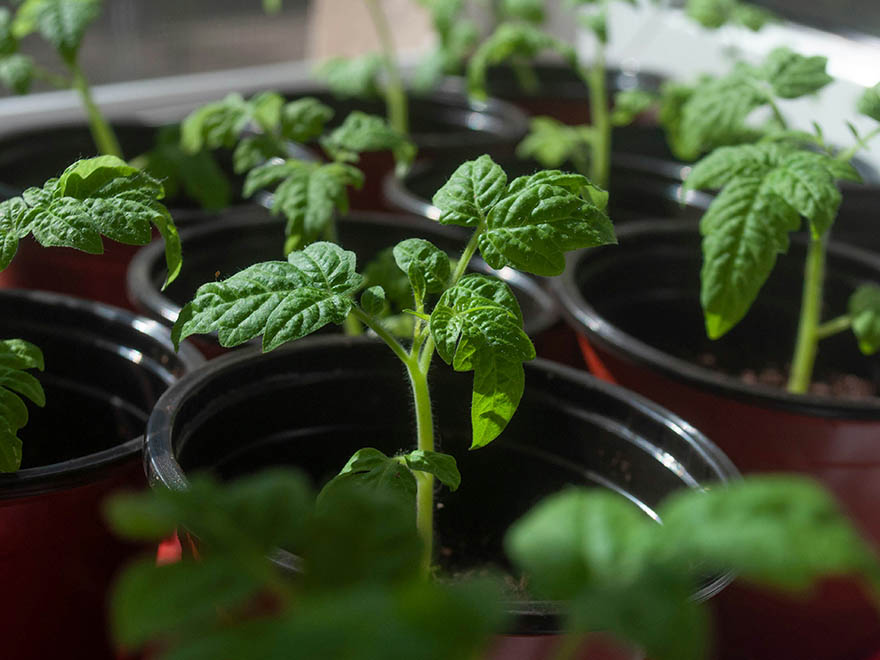
Best response: Tomatoes. Tomato seedlings are common stallers. They grow fast at first, then hit a plateau around the 4 to 6 leaf stage, especially if temperatures drop or light is insufficient. A beer drench at this stage can push them past the stall. If your tomato seedlings have been sitting for 2 weeks without new growth, this is a good first intervention.
Strong response: Peppers and eggplant. Both are slow growers even under ideal conditions. When they stall, they can sit motionless for weeks. The B vitamins and amino acids in beer give them the metabolic nudge to resume growth. Particularly useful for pepper seedlings started indoors in late winter when light levels are low.
Good response: Cucumbers and squash. These are fast growers that rarely stall, but when they do (usually from cold stress), a beer drench helps. Cucurbits respond quickly to any growth stimulant because their metabolic rate is naturally high.
Moderate response: Herbs (basil, parsley, cilantro). Herb seedlings stall less often but can go pale and thin in poor light. Beer helps with the pallor and thinness. For basil started indoors, it can speed up the transition from tiny cotyledons to true leaves.
Useful for: Flower seedlings (marigolds, zinnias, cosmos). Same principle. If they have stalled after germination, beer helps restart growth.
Not useful for: Seedlings that are actively dying from damping off, root rot, or fungal disease. Beer contains sugars that will feed the same pathogens killing the seedling. If the stem is pinched at the soil line or roots are brown and mushy, the problem is disease, not nutrition. Treat with cinnamon or chamomile tea for damping off instead.
Why it works
Beer is brewed from malted barley. The malting process converts grain starches into sugars, but it also produces a range of compounds that happen to be useful for plants.
B vitamins (B1, B2, B6, B12): Malt is rich in B-complex vitamins. B1 (thiamine) is directly involved in root development. Plants synthesize their own B vitamins, but stalled seedlings often have underperforming root systems that cannot keep up. An external dose of B1 through the roots can jumpstart root growth, which then supports the rest of the plant.
Amino acids: The fermentation process creates free amino acids from malt proteins. Amino acids are the building blocks of plant enzymes and growth hormones. When a seedling stalls, its internal amino acid pool may be depleted. A beer drench delivers a ready-made supply that the plant can absorb and use immediately without synthesizing them from scratch.
Succinic acid: Beer contains small amounts of succinic acid, a natural compound that stimulates cellular respiration in plants. This is the same active ingredient in succinic acid tablets sold at pharmacies. In beer, the concentration is lower but still enough to provide a mild stimulatory effect when delivered directly to roots.
Terpenoids from hops: Hops contribute terpenoids and lactones that have mild antibacterial properties. At the dilution used in this recipe, they provide a gentle prophylactic effect around the root zone without harming beneficial soil microbes.
The alcohol in beer evaporates quickly from soil and is present at too low a concentration in the diluted solution (roughly 0.2 to 0.5%) to harm roots. By the time you have mixed half a cup of 5% beer into a quart of water, the alcohol content is negligible.
What NOT to do
Do not pour undiluted beer on seedlings. Straight beer has too much sugar and too much alcohol for plant roots. The sugar feeds mold and attracts fungus gnats. The alcohol can damage fine root hairs. Always dilute: half a cup per quart of water is the ratio.
Do not use dark beers, stouts, or IPAs. Dark beers have roasted malt compounds (melanoidins) that can inhibit root growth at higher concentrations. IPAs have excessive hop compounds (alpha acids) that are mildly phytotoxic. Stick with the cheapest, plainest lager you can find.
Do not use beer as a regular fertilizer. This is a one-time rescue treatment. The sugars in beer feed soil microorganisms. Repeated drenches cause microbial blooms that consume oxygen in the soil, creating anaerobic conditions that suffocate roots. One drench is a boost. Weekly drenches are a disaster.
Do not apply to seedlings with visible mold or rot. If you see white fuzzy mold on the soil surface or the stem is pinched and brown at the base (damping off), adding beer makes it worse. The sugars feed the fungus. Fix the disease first, then consider beer once the seedling is stable.
Do not drench waterlogged soil. Beer adds liquid. If the soil is already saturated, adding more liquid compounds the problem. Let the soil dry to slightly moist before applying the beer drench. Good drainage is a prerequisite.
Do not expect miracles from severely damaged seedlings. If a seedling has lost most of its leaves or its roots are brown and dead, beer will not bring it back. This treatment rescues seedlings that are alive but stalled. There has to be something living to push.
FAQ
Does the alcohol in beer hurt seedlings?
No, not at this dilution. Half a cup of 5% beer in a quart of water creates a solution with roughly 0.3% alcohol. That is less than the alcohol produced naturally by soil microbes during decomposition. The alcohol evaporates from soil within hours. At the recommended dilution, it does not damage roots.
Can I use expired or old beer?
Yes. Expired beer still contains the B vitamins, amino acids, and succinic acid you want. The flavor changes that make old beer taste bad to humans do not affect its usefulness for plants. Flat, old, warm beer is fine. Just dilute it the same way.
Will beer attract pests to my seedlings?
At the recommended dilution, the sugar concentration in the soil is minimal. However, if you over-apply or use undiluted beer, the sugars can attract fungus gnats and ants. One drench at the right dilution will not cause problems. Multiple undiluted applications will. This is why the recipe calls for half a cup per quart of water, not straight from the can.
How is this different from yeast fertilizer?
Yeast fertilizer uses active dry yeast mixed with sugar and water, creating a living fermentation that produces CO2 and B vitamins in the soil over time. Beer is the finished product of a similar fermentation, with the compounds already formed and ready for plant uptake. Yeast fertilizer is a slow-release biological process. Beer is a quick, one-shot delivery of the same types of compounds. They serve different purposes: yeast fertilizer for ongoing soil biology, beer for a quick rescue push.
Can I spray beer on leaves instead of drenching the soil?
Soil drenching is the right method. Spraying beer on leaves creates a sticky sugar film that attracts aphids and encourages sooty mold growth. The B vitamins and amino acids absorb better through roots than through leaf surfaces. Keep beer on the soil.
What if my seedlings are stalling because of cold temperatures?
Cold stress stalls seedlings by slowing enzyme activity. Beer helps because the B vitamins and amino acids support enzyme production. But the real fix is warming the root zone. Check if your seedlings are on a cold windowsill or concrete floor. Move them to a warmer spot or use a heat mat. Beer is the metabolic boost; temperature is the environment fix. Both matter. See the optimal temperature guide for specific ranges by crop.
Is there a gardening app that tracks seedling health and feeding?
Yes. The easyDacha garden planner app tracks each plant by growth stage and sends reminders for feeding, treatment, and transplanting tasks. Download at easydacha.com/download.
The cheapest rescue for stalled seedlings

A can of cheap beer and a quart of water. That is the entire cost of restarting seedlings that have been sitting still for weeks. The malt delivers the vitamins and amino acids that stalled roots need to start growing again. One drench, one chance. Wait 10 days. If new leaves appear, it worked. If not, the problem is somewhere else, and you saved $4 by checking beer before buying expensive plant supplements.
The easyDacha gardening app tracks seedling growth stages and alerts you when something falls behind schedule, so you catch stalls early.
Try easyDacha app →. The garden planner app that plans your season in 60 seconds. Cancel anytime.
Related reading on easydacha.com
- How to Make Yeast Fertilizer for Vegetables (Simple DIY Recipe) — yeast fertilizer delivers similar B vitamins through live fermentation. Slower than beer but better for ongoing feeding.
- How to Use Succinic Acid for Plant Stress Relief (Pharmacy Tablets) — succinic acid is one of the active compounds in beer. Pharmacy tablets deliver it in concentrated form for targeted stress recovery.
- The Best Fertilizer Recipe for Seedlings and Plants — the full seedling feeding plan. Beer is a one-time rescue; this is the regular nutrition strategy.
- How to Stop Seedlings from Stretching — stretchy seedlings need light, not beer. Diagnose correctly before treating.
- How to Use Cinnamon to Prevent Damping Off and Soil Fungus — if seedlings are dying (not just stalling), the problem may be damping off. Treat disease before adding beer.