
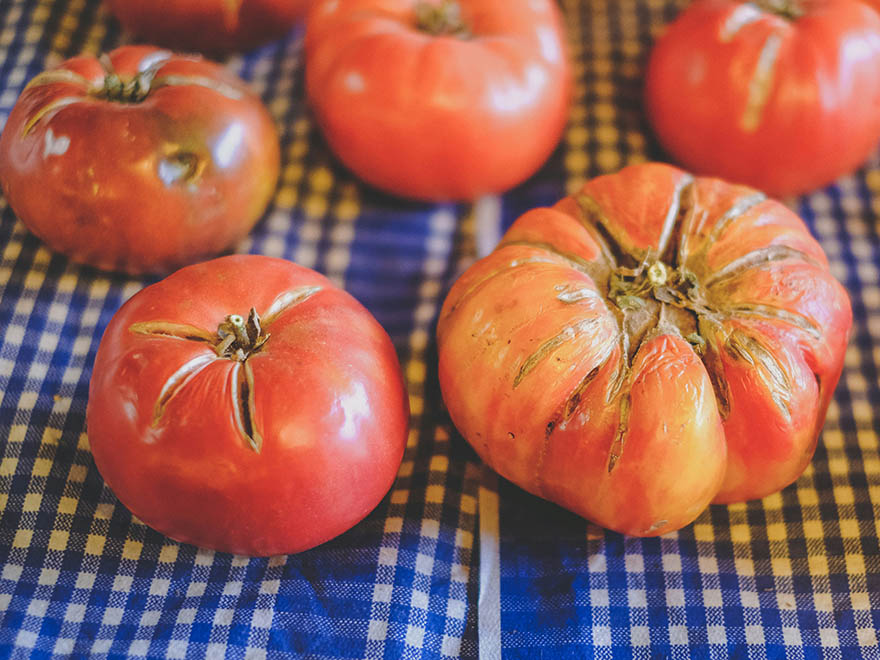
Your tomatoes are cracking open on the vine. The skin splits in circles around the top or in long seams down the side, and the fruit tastes watery instead of sweet. Potassium deficiency — it hits hardest during fruiting when the plant pulls more K than the soil can deliver. Those old sprouting potatoes in the back of your pantry are loaded with potassium. Chop them up, soak them in water for a week, strain, dilute, and pour. Free fertilizer from kitchen waste.
TL;DR: Chop old potatoes (peels, sprouts, and all) and fill a bucket half with potato pieces, half with water. Cover loosely and ferment for 7 days. Strain and dilute 1:10 with water. Soil drench 2 cups (500 ml) per plant every 14 days during flowering and fruit development. Free potassium fertilizer from kitchen scraps.
The recipe
You need
- Old potatoes: enough to fill half of a 1-gallon (3.8 liter) bucket. Sprouting, wrinkled, soft, green-skinned, any condition. Peels work too if you save them from cooking. Do not use potatoes that are black, rotten, or smell putrid.
- Water: enough to fill the other half of the bucket, about 2 quarts (2 liters). Dechlorinated preferred. Let tap water sit uncovered for 24 hours or use well water.
- A bucket or large jar with a loose-fitting lid (not airtight)
- A strainer or cheesecloth
- A watering can
Do it
- Chop old potatoes into rough chunks, about 1 inch (2.5 cm). Include peels, sprouts, eyes, everything. No need to wash.
- Fill a 1-gallon bucket about halfway with potato chunks.
- Pour water over the potatoes until the bucket is about 3/4 full. The potatoes should be submerged.
- Cover loosely with a lid, cloth, or plate. The ferment needs airflow. Do not seal it airtight.
- Set the bucket in a warm spot out of direct sun. A garage, shed, or shaded porch works.
- Wait 7 days. The water will turn cloudy brown and may foam slightly. It will smell earthy and fermented, like soil after rain. A mild sour smell is normal.
- Strain the liquid through cheesecloth or a strainer into a clean container. Discard the potato solids into your compost.
- Dilute: mix 1.5 cups (360 ml) of the ferment concentrate with 1 gallon (3.8 liters) of water. That is roughly 1:10.
Use the diluted solution within 2 days. Undiluted concentrate keeps in a sealed jar in a cool spot for up to 2 weeks.
What is in the ferment
Potatoes are 2 to 2.5% potassium by weight — one of the highest concentrations in common vegetables. During fermentation, potassium leaches out of the cells into the water. The starches break down into simple sugars along the way, and soil microbes love those sugars. So you end up with a mild potassium solution that also feeds the soil biology. No synthetic chemicals, zero cost.
How to use it
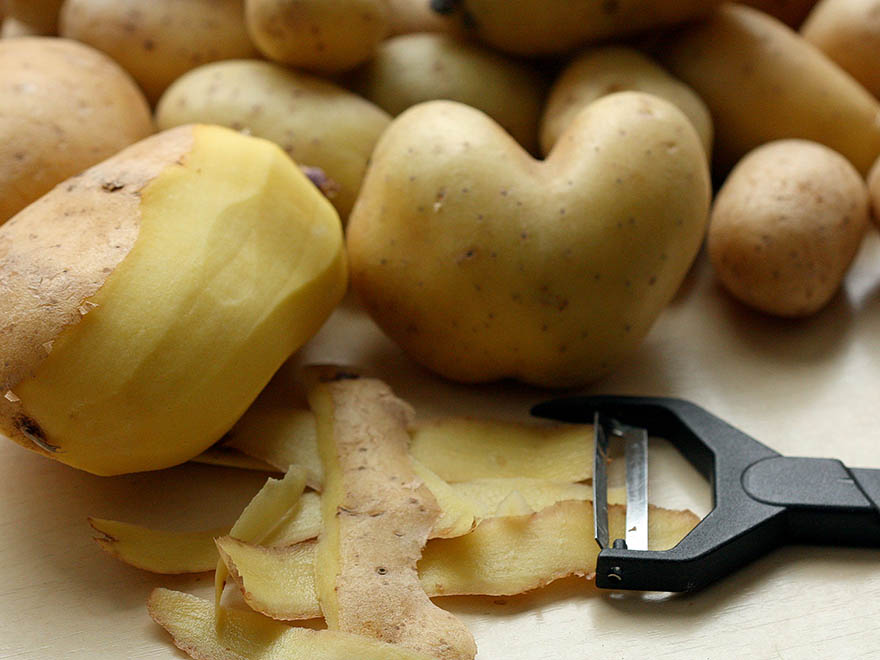
Soil drench (only method):
Pour about 2 cups (500 ml) of the diluted solution at the base of each plant, right onto the root zone. If the soil is dry, water it first. Potassium is water-soluble and moves into the roots immediately.
When to start:
When the first flowers open. Fruiting crops pull potassium hard during flowering and fruit set. If you wait until fruit is already cracking, you are behind — start at flowering so the plant builds potassium reserves before fruit develops.
How often:
Every 14 days through flowering and fruit development. Stop when fruit starts ripening. At that point the plant is finishing, not building, and more potassium will not help. Three to five applications per season covers most fruiting crops.
Do not use as a foliar spray. The ferment has starches and sugars that leave a sticky residue on leaves, attract insects, and encourage mold. Soil only.
Which plants benefit most
Potassium drives fruit quality — sweetness, firmness, skin integrity, color. Any fruiting crop benefits, but some respond more than others.
Best for: Tomatoes. Potassium deficiency is the #1 cause of fruit cracking in home tomatoes. The plant grows fast, sets dozens of fruit, and runs out of K in the soil. Large varieties (beefsteak, brandywine) crack first because they need the most potassium per fruit. If you are growing tomatoes from seed, start potato ferment drenches when the first flower clusters open.
Best for: Peppers. Potassium strengthens cell walls and keeps fruit firm. Pepper plants that drop flowers often have a potassium shortfall. A ferment drench during flowering reduces flower drop and improves fruit set.
Strong results: Eggplant. Same nightshade family, same potassium demand. Eggplant that stays small and spongy instead of firm is often K-deficient.
Strong results: Strawberries. Potassium directly affects sweetness. A ferment drench every 14 days during fruiting makes berries noticeably sweeter and firmer. Works on June-bearing and everbearing varieties alike.
Good results: Raspberries and blueberries. Berry bushes pull potassium during fruit development. The ferment is a gentle alternative to commercial K supplements. Apply around the drip line.
Good results: Cucumbers, squash, and melons. All cucurbits are heavy potassium feeders during fruit development. The ferment keeps fruit firm and cuts down on bitter cucumbers.
Not useful for: Leafy greens at harvest stage. Excess potassium changes the flavor of lettuce, spinach, and herbs. Not harmful, but unnecessary.
Not useful for: Legumes during flowering. Beans and peas have specific nutrient balances during flowering, and extra potassium can interfere with pod set. Use on legumes during vegetative growth only, if at all.
Why it works
Potassium is the K in N-P-K, and the macronutrient most responsible for fruit quality. It regulates water pressure in cells, controls stomata, activates over 60 enzymes for sugar transport and protein synthesis, and strengthens cell walls. When K runs low, fruit cells cannot hold water properly. The plant grows fast after rain, cells swell, weakened skin splits. That is your cracking tomato.
One medium potato has about 900 mg of potassium — more than a banana. Soak potato chunks in water and the cell membranes break down, leaching potassium into solution. Fermentation also produces organic acids (lactic and acetic) that drop the pH slightly, which keeps potassium available in soil rather than locking onto clay particles.
The starches that break down along the way become food for soil bacteria and fungi. So a potato ferment drench is not just potassium delivery — it is a mild soil biology boost that improves nutrient cycling in the root zone.
What NOT to do
Do not apply the concentrate undiluted. The 1:10 dilution is not a suggestion. Undiluted ferment will burn fine root hairs and create anaerobic pockets as microbes gorge on the excess starch. Always dilute.
Do not use rotten, black, or foul-smelling potatoes. Soft rot carries Erwinia and Clostridium bacteria that can infect plant roots. If the potato is black, slimy, or smells putrid — throw it out. Sprouted, wrinkled, green? Fine. Rotten? No.
Do not ferment longer than 10 days. Past 7 to 10 days, the ferment produces too much acetic and butyric acid, which can drop soil pH far enough to damage roots. Seven days is the sweet spot. If it smells like vinegar or alcohol, it went too far. Dilute extra (1:15) or start over.
Do not use during the seedling stage. Too much sugar and organic acid for young roots. Wait until plants are established and flowering. Seedlings get their potassium from a balanced fertilizer plan.
Do not apply to dry soil. Potassium moves with water. Drench onto already-moist soil. If the bed is dry, water first, apply the ferment, then water lightly again.
Do not spray on leaves. Starchy residue on foliage attracts ants, aphids, and fungal spores. Soil only.
FAQ
Why are my tomatoes cracking and splitting?
Usually potassium deficiency plus irregular watering. After rain or a deep soak, the fruit swells fast, but the cell walls are too weak from low K to stretch. Skin splits. Consistent watering and a potassium drench during fruiting solves it for most people.
Can I use just potato peels instead of whole potatoes?
Yes. Peels actually have a higher potassium concentration per weight than the flesh. Save peels from cooking over the week, stuff them into a jar, cover with water, and ferment the same way. A quart jar of peels in water makes enough concentrate for one application.
How does this compare to banana peel fertilizer?
Both deliver potassium. Banana peel fertilizer breaks down slower because banana peels are tougher. Potato ferment delivers K faster because fermentation pre-digests the material. Banana peels also attract fruit flies more. Use whatever you have on hand — both work.
Can I use sweet potatoes?
Yes. Sweet potatoes contain similar potassium levels. The ferment works the same way. Regular white potatoes and sweet potatoes are interchangeable for this recipe.
Will the ferment smell bad?
Damp earth and mild sour. Not pleasant, but not terrible. If it smells like rotten eggs or sewage, the ferment went anaerobic — the container was sealed too tightly or rotten potatoes got into the batch. Toss it and start over with a looser cover and healthier potatoes.
How do I know if my plants need potassium?
Look at the oldest leaves at the bottom of the plant. Browning and curling edges are the classic sign. Fruit cracking, bland flavor, and slow ripening point the same direction. A soil test gives you the most accurate answer, but if you see these symptoms during fruiting, a potato ferment drench is a safe first move.
Is there a gardening app that tracks when to feed potassium?
Yes. The easyDacha garden planner app schedules feeding tasks by growth stage and sends reminders when fruiting crops need potassium. Download the App at easydacha.com/download.
Kitchen scraps, free potassium

Those sprouting potatoes in the back of your fridge are not garbage — they are free fertilizer. Chop, soak, wait a week, dilute, pour. Tomatoes stop cracking. Peppers hold their flowers. Strawberries taste sweeter. No trip to the garden store, zero cost, and the kitchen scraps stay out of the trash.
The easyDacha gardening app schedules potassium feeding by growth stage so your fruiting crops get K before deficiency symptoms appear.
Try easyDacha app →. The garden planner app that plans your season in 60 seconds. Cancel anytime.
Related reading on easydacha.com
- How to Make Banana Peel Fertilizer for Potassium-Hungry Plants — another kitchen-waste potassium source. Banana peels break down slower; potato ferment delivers K faster. Use whichever you have.
- How to Make Calcium Acetate from Wood Ash and Vinegar (Blossom End Rot Fix) — if tomatoes have dark patches on the bottom, that is calcium, not potassium. Different deficiency, different fix.
- Simple Fertilizer Plan for Flowering Vegetables — the full feeding schedule. Potato ferment slots in as the potassium component during fruiting.
- How to Make Fermented Weed Fertilizer (Free Liquid Feed) — weed tea delivers nitrogen. Potato ferment delivers potassium. Different nutrients, same fermentation concept.
- How to Use Molasses in the Garden (Soil Biology Drench) — molasses feeds soil microbes. Potato ferment does the same while also delivering K. Complementary tools.
- How to Make Ammonium Lactate from Whey and Ammonia (Bio-Available Nitrogen) — if leaves are yellowing, the problem is nitrogen, not potassium. Different symptom, different recipe.