
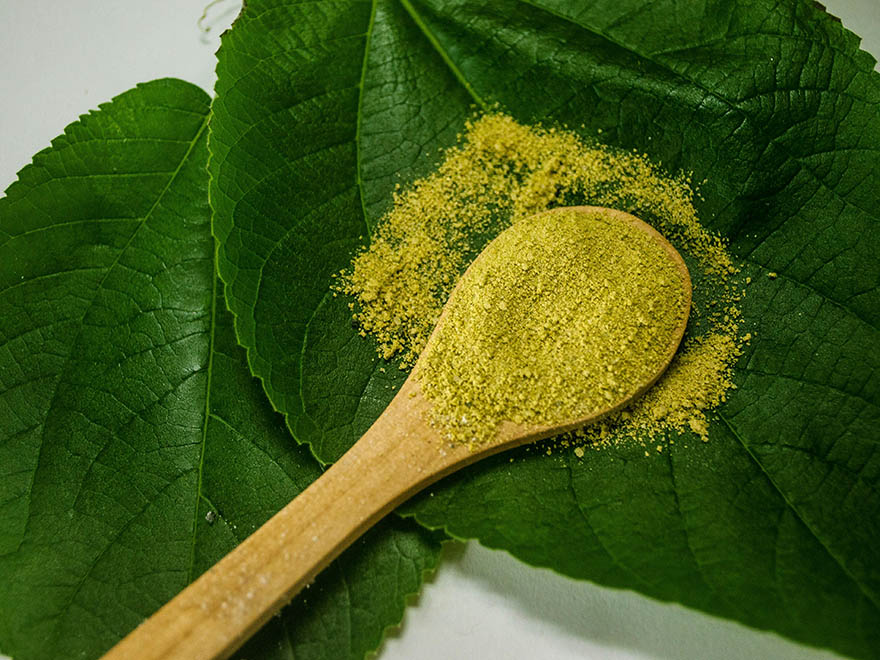
Fermented mustard works as a liquid fertilizer and a pest deterrent in the same bottle. Steep mustard powder in boiling water, add honey and a Bacillus-based starter, and let it ferment for five days. One batch. Two uses.
TL;DR: Mix about 1/3 cup (70 g) mustard powder into 3 cups (700 ml) boiling water. Cool to room temperature. Stir in 1 tablespoon (15 ml) honey and a splash of Bacillus-based bio-starter. Cover loosely, stir daily, ferment 5 days. Strain. Dilute 1 tablespoon (15 ml) per 1 quart (1 L) water. Use as soil drench for feeding or foliar spray for pest deterrence.
The recipe
One method. Straightforward.
You need:
- About 1/3 cup (70 g) mustard powder (dry, yellow mustard powder from any grocery store)
- 3 cups (700 ml) boiling water
- 1 tablespoon (15 ml) honey (raw or regular, either works)
- A splash of Bacillus-based bio-starter (liquid Bacillus subtilis product, about 1 teaspoon / 5 ml)
- A glass jar or ceramic crock, at least 1 quart (1 L) capacity
- Cheesecloth or a loose lid for covering
- Fine cloth or coffee filter for straining
Do it:
- Boil 3 cups (700 ml) of water. Pour it into your jar.
- Add about 1/3 cup (70 g) of mustard powder. Stir until the powder dissolves completely. The mixture will be thick and yellow.
- Let it cool to room temperature. This takes 1 to 2 hours. Do not add the honey or starter to hot liquid. Heat kills both the enzymes in honey and the live bacteria in the starter.
- Once cool, stir in 1 tablespoon (15 ml) of honey. The honey feeds the bacteria during fermentation.
- Add about 1 teaspoon (5 ml) of your Bacillus-based starter. Stir well.
- Cover the jar loosely. Use cheesecloth, a loose lid, or a plate. The ferment needs air exchange but not flies.
- Place in a warm spot at room temperature, roughly 68 to 77°F (20 to 25°C). Out of direct sunlight.
- Stir once daily for 5 days.
- On day 5, smell the mixture. It should smell like sourdough bread. Tangy, slightly sour, not rotten. If it smells rotten or like sulfur, discard and start over.
- Strain through a fine cloth or coffee filter. Press out as much liquid as you can. Discard the solids.
You now have fermented mustard concentrate. Store in a sealed glass jar in the refrigerator. It keeps for about 2 weeks.
How to use it
Two applications from the same bottle.
As a soil drench (feeding):
Dilute 1 tablespoon (15 ml) of concentrate per 1 quart (1 L) of water. Water the soil around the base of your plants. Use every 2 to 3 weeks during the growing season. This feeds the soil microbiome and delivers trace nutrients from the mustard. Works well on flowering vegetables during vegetative and early flowering stages.
As a foliar spray (pest deterrence):
Same dilution: 1 tablespoon (15 ml) per 1 quart (1 L) of water. Spray leaves top and bottom in the evening, when temperatures are cooler and beneficial insects are less active. The isothiocyanates in the spray deter spider mites and fungus gnats on contact. Reapply every 7 to 10 days, or after rain. This is a deterrent, not a pesticide. It makes your plants less attractive to pests. It does not kill established infestations. For heavy pest pressure, use a dedicated biocontrol method like Beauveria bassiana (for aphids and whiteflies) or Metarhizium (for soil-dwelling larvae).
Why fermented mustard works
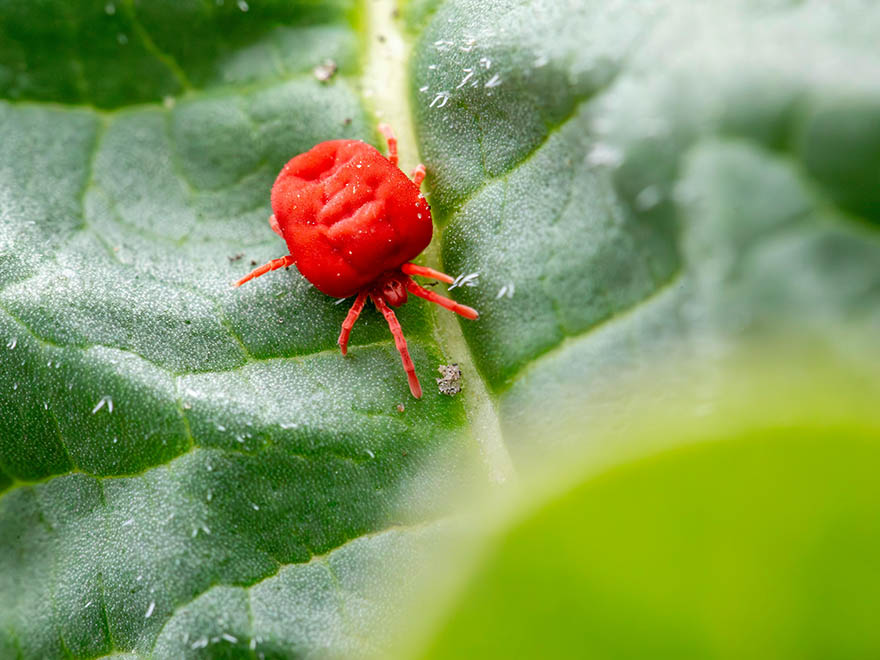
Mustard powder contains glucosinolates. When those compounds break down, they release isothiocyanates. These are the same chemicals that make horseradish burn and wasabi sting. In garden biology, isothiocyanates act as natural fumigants. They deter soft-bodied pests like spider mites and sciarid flies (fungus gnats). They also suppress some soil-borne pathogens. That is why mustard plants are a powerful cover crop and soil fumigant.
The fermentation step adds a second layer. Honey feeds the Bacillus bacteria in your starter culture. Over five days, those bacteria multiply and produce metabolites that benefit plant root zones. If you have used Bacillus subtilis with turmeric before, you already know this organism. The mustard pulls double duty. The Bacillus feeds the soil biology. The isothiocyanates deter pests above and below ground.
How to manage the smell
Fermented mustard smells. Not terrible, but noticeable. During the 5-day ferment, it smells like sourdough bread mixed with hot mustard. Tangy and yeasty. If you ferment it in the kitchen, expect questions. A garage, shed, or covered porch works better.
After straining, the concentrate smells milder. Once diluted for application, the smell fades within a few hours outdoors. Indoor plants: apply the soil drench and ventilate the room for an hour. The foliar spray smell dissipates faster because it is a thinner layer.
If the ferment smells like rotten eggs or garbage at any point during the 5 days, something went wrong. The batch is contaminated. Discard it and start fresh with clean equipment.
The Bacillus connection
The Bacillus-based starter is not optional decoration. It is the engine of the fermentation. Without it, you have mustard tea. With it, you have a living culture.
Bacillus subtilis forms endospores that survive harsh conditions. It colonizes root surfaces and leaf surfaces. It suppresses fungal pathogens like powdery mildew and early blight. When you add it to the mustard ferment, you are combining two defense layers: the chemical deterrence of isothiocyanates and the biological competition of Bacillus.
You can buy liquid Bacillus subtilis products at most garden centers. Any product labeled "Bacillus subtilis" or "hay bacillus" works. If you already brew your own Trichoderma or Bacillus cultures, you can use a splash of that as your starter.
What NOT to do
Don't add the starter to hot water. Wait until the mustard mixture cools to room temperature. Boiling water kills Bacillus bacteria instantly. The whole point of the starter is live organisms. Let the liquid cool below 100°F (38°C) before adding honey or starter.
Don't seal the jar airtight. The ferment produces gas. A sealed jar builds pressure and can crack or pop. Use a loose lid, cheesecloth, or a plate resting on top. Air exchange is necessary.
Don't use it undiluted. Straight concentrate will burn leaves and damage roots. Always dilute: 1 tablespoon (15 ml) per 1 quart (1 L) of water. More is not better.
Don't spray in full midday sun. The liquid can cause leaf scorch when the sun hits wet foliage. Apply in the evening or early morning. This also aligns with best practices for Beauveria bassiana sprays, which must avoid UV.
Don't expect it to replace dedicated pest control. Fermented mustard is a deterrent and a feed. It makes your plants less attractive to pests and better nourished. It does not cure an active spider mite outbreak or eliminate a fungus gnat colony. For active infestations, use a targeted biocontrol.
FAQ
Does fermented mustard spray kill spider mites?
It deters them. It does not kill them on contact like a pesticide. The isothiocyanates in mustard make the leaf surface unpleasant for spider mites and fungus gnats. Regular applications every 7 to 10 days keep the deterrent effect active. For an active infestation, use a dedicated method like neem oil or Beauveria bassiana.
Can I use prepared mustard instead of dry powder?
No. Prepared mustard (the condiment) contains vinegar, salt, and other additives that interfere with fermentation. Use plain, dry mustard powder. Yellow mustard powder from the spice aisle works perfectly.
What does the honey do in the recipe?
Honey is food for the Bacillus bacteria. It provides simple sugars that fuel the fermentation. Without it, the bacteria have nothing to eat and the culture stalls. One tablespoon (15 ml) per batch is enough. Raw honey adds a small bonus of wild yeasts and enzymes, but regular honey works fine.
How do I know the ferment is working?
By day 2 or 3, you should see small bubbles when you stir. The smell shifts from raw mustard to something tangier, like sourdough. By day 5, the liquid may look slightly cloudy with a thin film on top. That film is normal bacterial activity. If it smells sour and tangy, it worked. If it smells like sulfur or rot, discard it.
Can I use fermented mustard on seedlings?
Use the soil drench at half strength on seedlings: about 1/2 tablespoon (7 ml) per 1 quart (1 L). Do not foliar spray young seedlings. Their leaves are thin and sensitive to any concentrated solution. Once seedlings have 4 or more true leaves and are hardened off, you can use the full dilution.
How long does the concentrate keep?
About 2 weeks refrigerated in a sealed glass jar. After that, the bacterial activity declines and the concentrate loses potency. Make small batches and use them fresh. One batch from this recipe yields about 2.5 cups (600 ml) of concentrate, which makes roughly 10 gallons (38 L) of diluted solution.
Is there a gardening app that schedules feeding and pest prevention?
Yes. The easyDacha garden planner app schedules feeding, watering, and protection tasks by growth stage for your ZIP code. It tells you what to do and when. Download at easydacha.com/download.
Feed and protect in the same bottle

One jar of fermented mustard concentrate. Two uses. Five days of waiting. The science is real: glucosinolates break down into isothiocyanates that deter soft-bodied pests, and the Bacillus culture feeds the soil microbiome every time you water.
The easyDacha gardening app schedules feeding and protection tasks by growth stage. It tells you when to drench and when to spray, so nothing falls through the cracks.
Try easyDacha and get a 7-day care plan for free →. The garden planner app that plans your season in 60 seconds. Cancel anytime.
Related reading on easydacha.com
- How to Use Bacillus subtilis with Turmeric (100x Boost Recipe) — the Bacillus starter you use in this recipe is the same organism. This article explains why it matters.
- How to Make Fermented Weed Fertilizer (Free Liquid Feed) — another fermented liquid feed for comparison. Different inputs, similar brewing logic.
- How to Use Coffee Grounds in the Garden (What Works and What Doesn't) — a common kitchen-scrap fertilizer. Pairs well with fermented mustard in a rotation.
- Top 10 Most Common Garden Pests: Identification and Treatment Guide — identify what is eating your plants before choosing a treatment method.