
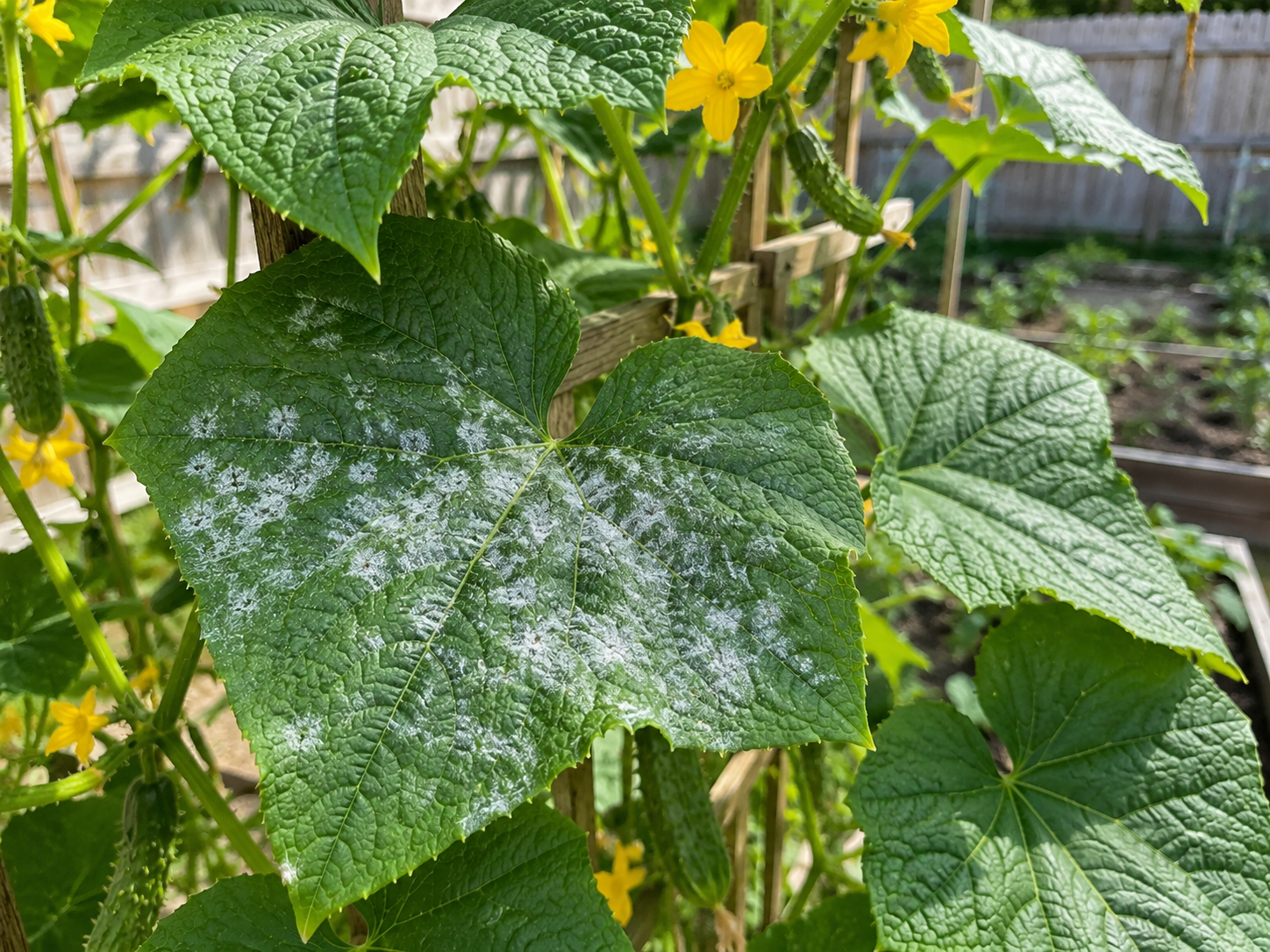
White dusty patches on the leaves in July. Cucumbers that taste bitter even when they look fine. A plant that collapsed in five days with no warning. If you searched each problem separately, you found a different answer every time. Most of the answers were about products. The actual problem is a missing rotation.
TL;DR: Cucumber powdery mildew prevention works through a recurring weekly foliar, not a one-time fix. This two-week rotation also covers bitter fruit and keeps cucumber beetles from establishing before they can cause damage.
Does Any of This Sound Familiar?
White powder spread across the leaves faster than anything stopped it. Cucumbers tasted bitter even when the plant looked healthy. You sprayed copper fungicide one week, then added a beneficial bacteria product the next. The bacteria did nothing because the copper had already wiped it out. A plant went from healthy to dead in five days.
These problems are not separate. They develop because there is no consistent rotation running underneath.
Before the Rotation Starts
When the first flower buds appear, apply these once. They do not repeat weekly.
Boron foliar. Mix 1/4 teaspoon (1.2 g) of borax in 1 gallon (3.8 L) of water. Spray flowers and buds in the evening. Apply once only. Boron supports pollen tube formation. Excess boron damages roots. See the full boron dosing protocol before applying.
Phosphorus drench. Apply bone citrate at 1 tablespoon (15 ml) per 1 quart (1 L), or superphosphate per package directions. This triggers the transition from leaf growth to fruit set. Apply once at the first flower.
From this point, the weekly rotation handles everything.
If tracking all of this manually feels like a lot, easyDacha gives you a day-by-day care plan for each plant, matched to its current growth stage. It tells you what to apply, when to do it preventively, and keeps a plan ready for every day of the season. See what the garden planner app looks like for cucumbers.

The Two-Week Rotation
Week One
Monday morning
What: Trichoderma OR Clonostachys rosea root drench + molasses + humic acid
Why: Trichoderma suppresses soil-borne pathogens and improves nutrient uptake. Molasses feeds the fungi immediately after application.
How: Grow Trichoderma at home OR Clonostachys preparation. Add 2 tablespoons (30 ml) molasses per 1 gallon (3.8 L). Do not apply within 48 hours of copper fungicide.
Why: Trichoderma suppresses soil-borne pathogens and improves nutrient uptake. Molasses feeds the fungi immediately after application.
How: Grow Trichoderma at home OR Clonostachys preparation. Add 2 tablespoons (30 ml) molasses per 1 gallon (3.8 L). Do not apply within 48 hours of copper fungicide.
Monday evening
What: Amino acid + calcium nitrate + kelp foliar
Why: Calcium reaches forming ovaries faster through leaf spray than root uptake in warm soil. Amino acids protect new growth from heat damage.
How: 1 tablespoon (15 ml) each of amino acid concentrate, calcium nitrate, and kelp per 1 gallon (3.8 L). Evening only to avoid leaf burn.
Why: Calcium reaches forming ovaries faster through leaf spray than root uptake in warm soil. Amino acids protect new growth from heat damage.
How: 1 tablespoon (15 ml) each of amino acid concentrate, calcium nitrate, and kelp per 1 gallon (3.8 L). Evening only to avoid leaf burn.
Wednesday morning
What: Molasses root drench
Why: Soil bacteria need a carbon source every week to stay active under a continuously fruiting plant.
How: 2 tablespoons (30 ml) per 1 gallon (3.8 L) at the root zone.
Why: Soil bacteria need a carbon source every week to stay active under a continuously fruiting plant.
How: 2 tablespoons (30 ml) per 1 gallon (3.8 L) at the root zone.
Wednesday evening
What: Beauveria bassiana foliar
Why: Beauveria infects cucumber beetles, aphids, and whitefly on contact. UV light destroys it within hours. Evening is the only effective timing.
How: Homemade Beauveria. Do not combine with neem oil within 24 hours.
Why: Beauveria infects cucumber beetles, aphids, and whitefly on contact. UV light destroys it within hours. Evening is the only effective timing.
How: Homemade Beauveria. Do not combine with neem oil within 24 hours.
Thursday morning
What: Wood ash root drench
Why: Cucumbers need potassium every 7 to 10 days. Without it, bitter flavor, uneven sizing, and early fruit drop all increase.
How: Wood ash fertilizer. Steep 1 cup (240 ml) ash in 1 gallon (3.8 L) water. Neutralize with apple cider vinegar until fizzing stops. Apply at the root zone.
Why: Cucumbers need potassium every 7 to 10 days. Without it, bitter flavor, uneven sizing, and early fruit drop all increase.
How: Wood ash fertilizer. Steep 1 cup (240 ml) ash in 1 gallon (3.8 L) water. Neutralize with apple cider vinegar until fizzing stops. Apply at the root zone.
Thursday evening
What: Calcium nitrate foliar
Why: Weekly calcium is the baseline for cucumbers. It is the primary prevention for bitter fruit, not a correction after the fact.
How: 1 tablespoon (15 ml) per 1 gallon (3.8 L). Evening only.
Why: Weekly calcium is the baseline for cucumbers. It is the primary prevention for bitter fruit, not a correction after the fact.
How: 1 tablespoon (15 ml) per 1 gallon (3.8 L). Evening only.
Saturday evening
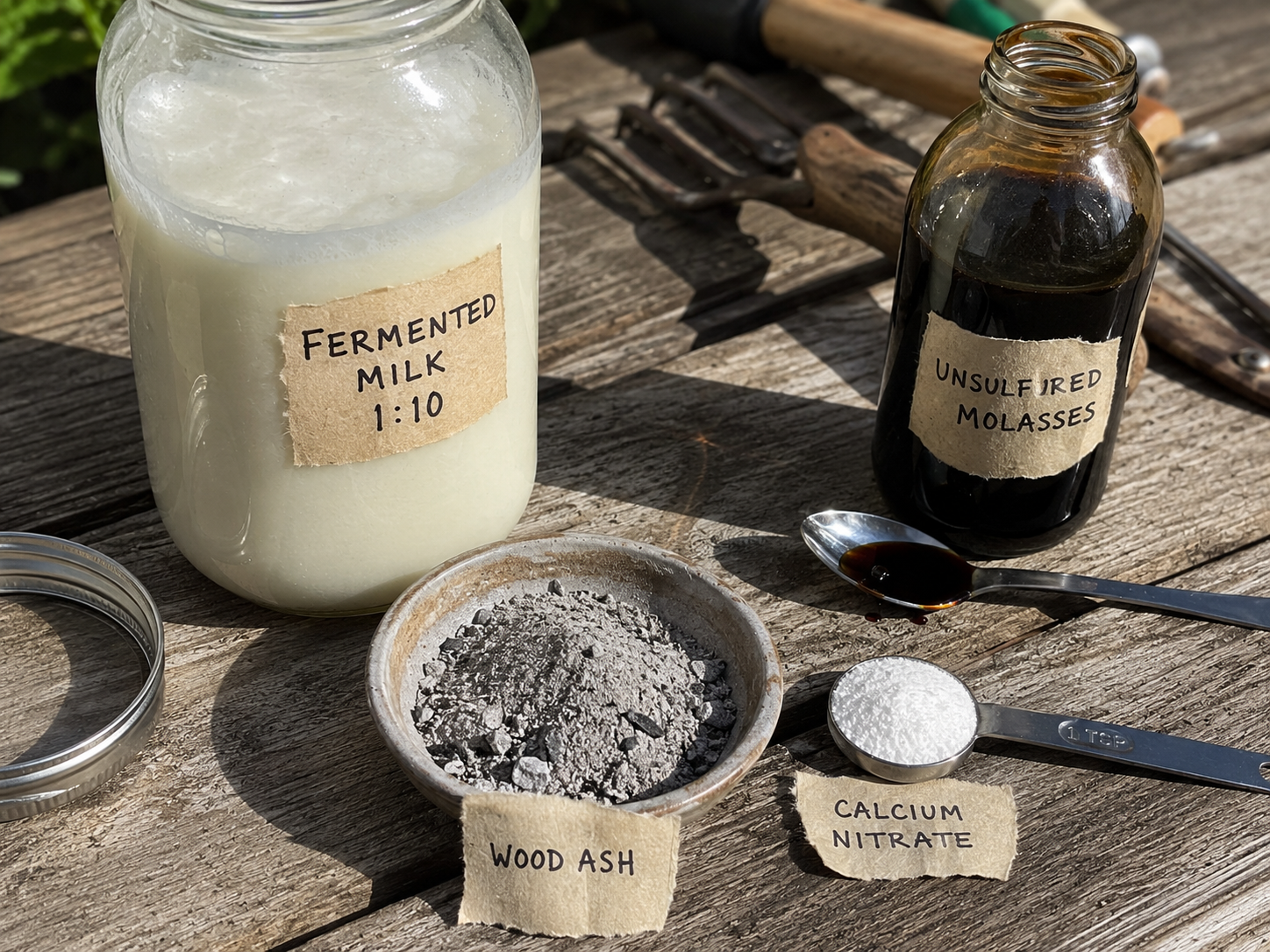
What: Fermented milk + Bacillus subtilis foliar
Why: Lactic acid bacteria coat the leaf surface and prevent powdery mildew spores from establishing. Consistent weekly application is what keeps powdery mildew from developing.
How: Milk spray for powdery mildew. 1/3 cup (100 ml) fermented milk per 1 gallon (3.8 L). Cover all leaf surfaces including undersides.
Why: Lactic acid bacteria coat the leaf surface and prevent powdery mildew spores from establishing. Consistent weekly application is what keeps powdery mildew from developing.
How: Milk spray for powdery mildew. 1/3 cup (100 ml) fermented milk per 1 gallon (3.8 L). Cover all leaf surfaces including undersides.
Week Two
Monday morning
What: Bacillus subtilis root drench + turmeric
Why: Week Two alternates from Trichoderma to Bacillus. They compete when applied on the same day, so they alternate by week.
How: Bacillus subtilis with turmeric OR wild hay preparation. Add 1/4 teaspoon turmeric per quart (1 L) of solution.
Why: Week Two alternates from Trichoderma to Bacillus. They compete when applied on the same day, so they alternate by week.
How: Bacillus subtilis with turmeric OR wild hay preparation. Add 1/4 teaspoon turmeric per quart (1 L) of solution.
Monday evening
What: Amino acid + kelp foliar
Why: Amino acid foliar runs every week. In heat above 90°F (32°C), increase to every 3 to 4 days.
How: Same as Week One. 1 tablespoon (15 ml) each per 1 gallon (3.8 L). Evening only.
Why: Amino acid foliar runs every week. In heat above 90°F (32°C), increase to every 3 to 4 days.
How: Same as Week One. 1 tablespoon (15 ml) each per 1 gallon (3.8 L). Evening only.
Wednesday morning
What: Molasses root drench
Why: Carbon feed for soil biology runs every week without exception.
How: 2 tablespoons (30 ml) per 1 gallon (3.8 L).
Why: Carbon feed for soil biology runs every week without exception.
How: 2 tablespoons (30 ml) per 1 gallon (3.8 L).
Wednesday evening
What: Garlic-ginger spray OR fermented mustard spray
Why: Week Two rotates pest deterrents. Different mode of action prevents pest adaptation.
How: Garlic spray at 100 ml concentrate per 1 quart (1 L), OR fermented mustard at 1 tablespoon (15 ml) per 1 quart (1 L).
Why: Week Two rotates pest deterrents. Different mode of action prevents pest adaptation.
How: Garlic spray at 100 ml concentrate per 1 quart (1 L), OR fermented mustard at 1 tablespoon (15 ml) per 1 quart (1 L).
Thursday morning
What: Trichoderma OR aerated compost tea root drench
Why: Trichoderma returns to the root zone in Week Two, alternating with the Bacillus drench on Monday.
How: Trichoderma at home OR compost tea. Add 2 tablespoons (30 ml) molasses.
Why: Trichoderma returns to the root zone in Week Two, alternating with the Bacillus drench on Monday.
How: Trichoderma at home OR compost tea. Add 2 tablespoons (30 ml) molasses.
Thursday evening
What: Calcium nitrate foliar
Why: Weekly calcium is non-negotiable for cucumbers through the entire fruiting period.
How: 1 tablespoon (15 ml) per 1 gallon (3.8 L). Evening only.
Why: Weekly calcium is non-negotiable for cucumbers through the entire fruiting period.
How: 1 tablespoon (15 ml) per 1 gallon (3.8 L). Evening only.
Saturday evening
What: Amino acid foliar + iodine-milk spray
Why: Second amino acid application of the week. Iodine-milk creates an inhospitable leaf surface for late blight and Botrytis as canopy density increases.
How: Amino acid at 1 tablespoon (15 ml) per 1 gallon (3.8 L). Iodine-milk spray: 5 drops iodine + 1 tablespoon (15 ml) milk per 1 quart (1 L). Mix and apply together.
Why: Second amino acid application of the week. Iodine-milk creates an inhospitable leaf surface for late blight and Botrytis as canopy density increases.
How: Amino acid at 1 tablespoon (15 ml) per 1 gallon (3.8 L). Iodine-milk spray: 5 drops iodine + 1 tablespoon (15 ml) milk per 1 quart (1 L). Mix and apply together.
How to Apply
Start the rotation the week you see the first flower buds. The two-week cycle repeats without modification until the end of harvest.
Morning applications go at the root zone. Evening applications go on the foliage, covering the top and underside of all leaves and young shoots.
Do not combine the morning drench and evening foliar into one application. They serve different plant systems.
Why This Rotation Works
Powdery mildew cannot be stopped once it covers 30 percent of a leaf surface. At that point you are managing decline. The fermented milk foliar every Saturday applies lactic acid bacteria before spores arrive. That is cucumber powdery mildew prevention, not treatment after the fact.
Bitter cucumbers are a calcium delivery failure. Weekly calcium nitrate foliar, started at first flower, prevents the deficiency rather than correcting it later.
Cucumber beetle damage leading to overnight plant death is bacterial wilt. The beetle introduces the bacteria through feeding wounds. Once a plant has bacterial wilt, it dies. Beauveria and plant-based deterrents on alternating weeks keep beetle populations down before they can cause damage.
The rotation also solves the interference problem. Copper fungicide applied Monday wipes out the Bacillus you add Wednesday. Two pest sprays in the same tank cancel each other. The schedule here keeps incompatible inputs separated so each one actually works.
Is This Safe for Edible Crops?
Yes. Every input in this rotation is food-safe.
Fermented milk, molasses, wood ash, and amino acid concentrate leave no residue that affects flavor or safety. Beauveria bassiana is approved for edible crops by the US EPA and OMRI-listed for organic production. Calcium nitrate is the same compound used in hydroponic food production worldwide. Iodine-milk spray uses trace iodine at doses far below a standard antiseptic wound rinse.
Wash cucumbers before eating as you normally would. No additional precautions are needed for any of these inputs.
What NOT to Do
Don't apply copper fungicide and Trichoderma in the same week. Copper is non-selective. It kills beneficial fungi alongside pathogenic ones. Wait 48 hours in either direction between copper and any biological product.
Don't mix Beauveria with neem oil. Neem disrupts Beauveria's lifecycle. They go in separate weeks, not the same spray or the same day.
Don't add nitrogen at the flowering stage. Nitrogen pushes leaf growth at the expense of fruit production. It increases ovary drop and delays harvest.
Don't apply foliar sprays in direct sun. Wet leaves under midday sun burn. All foliar applications go on in the evening, without exception.
Best for Which Crops
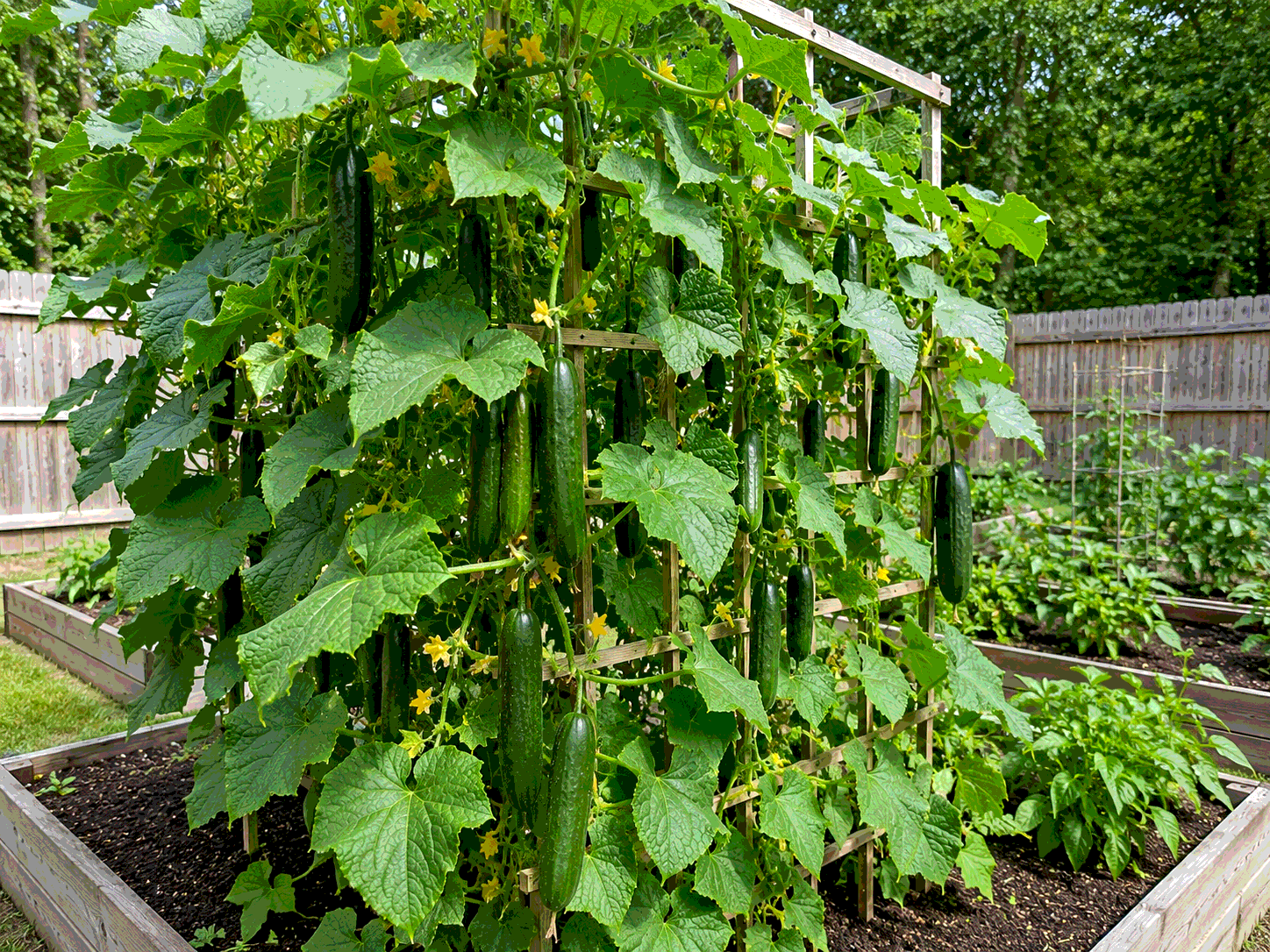
This rotation applies directly to all cucumber types: slicing, pickling, Persian, English greenhouse, and Armenian varieties.
Summer squash and zucchini: same rotation. Powdery mildew prevention through fermented milk foliar is especially important for zucchini, which is highly susceptible.
Pumpkins and winter squash: same rotation. Extend calcium nitrate foliar to twice a week once fruits are actively sizing.
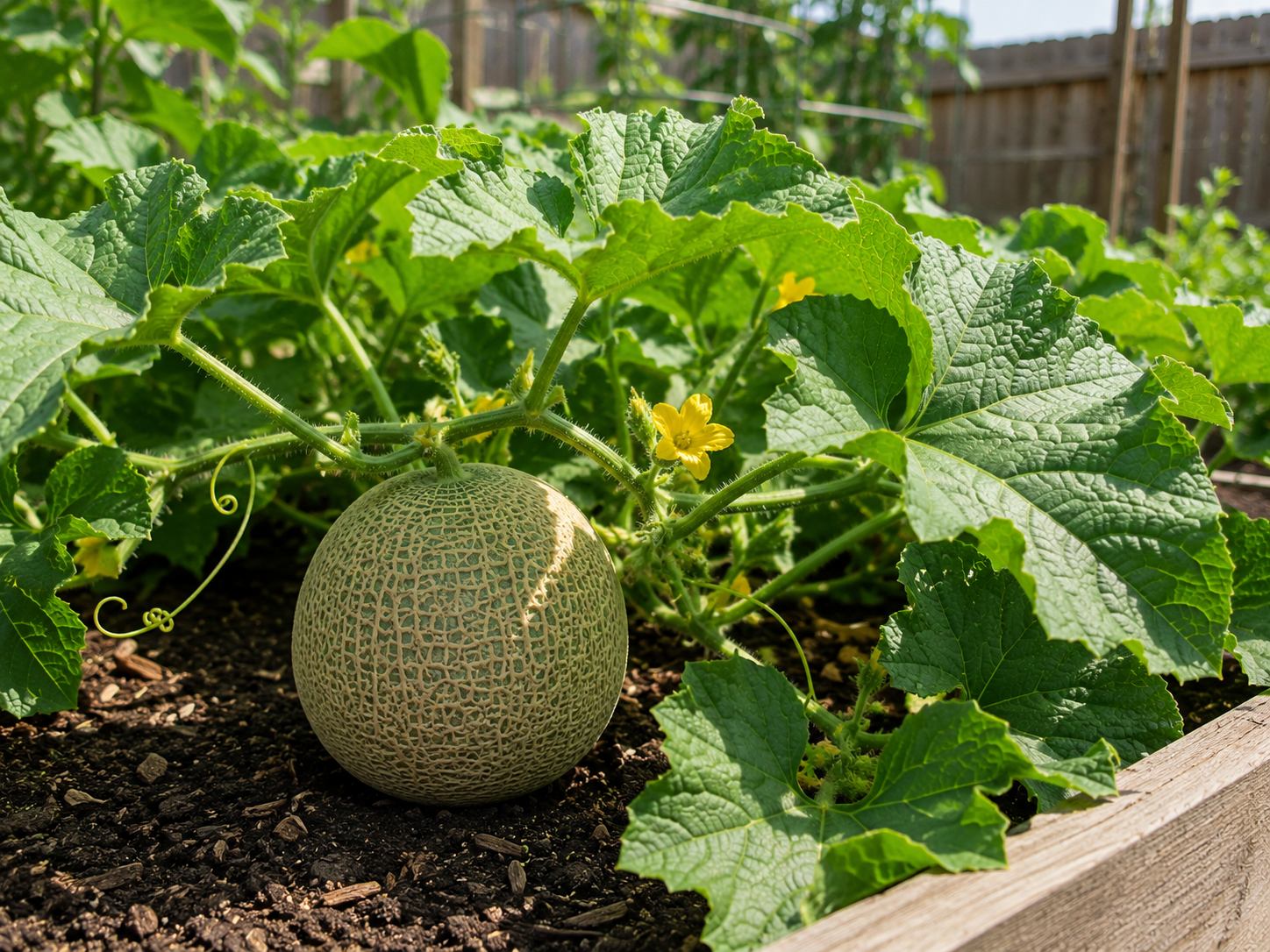
Melons: same rotation with one adjustment: reduce the molasses drench to once a week. Melons are more sensitive to excess soil moisture at the root zone.
When Problems Keep Coming Back
Powdery mildew returning every season despite consistent foliar rotation usually means spores are overwintering in plant debris. Remove all crop residue at the end of the season. Do not compost infected leaves. If the problem persists after that, look at air circulation: powdery mildew spreads fastest in still, humid air around dense canopies. Train plants vertically and remove older leaves at the base.
Persistent bitter cucumbers despite weekly calcium point to a watering consistency problem. The calcium is present but not being transported. Cucumbers need even soil moisture, not feast-or-famine cycles. Check whether watering frequency dropped during heat events.
Recurring rapid plant death in the same beds across seasons is almost always a cucumber beetle population that is already established in the soil. Start Beauveria applications before transplanting next season, not after the first beetle sighting.
FAQ
What is the most common cause of powdery mildew on cucumbers?
Warm days combined with cool nights and high humidity create the conditions powdery mildew needs. Once those conditions exist, spores on nearby plants colonize exposed leaf surfaces within days. Cucumber powdery mildew prevention through weekly fermented milk foliar spray makes the leaf surface inhospitable before spores arrive, not after the white patches are already visible.
Why do cucumbers taste bitter even when they look healthy?
Bitterness in cucumbers comes from compounds called cucurbitacins that the plant produces under stress. Calcium deficiency and inconsistent watering are the two most common triggers. A weekly calcium nitrate foliar spray and a fixed watering schedule address both. Some bitterness near the stem end is normal in many varieties. Peel from the blossom end and it usually disappears.
Can you use neem oil and Beauveria bassiana in the same week?
Not in the same spray or within 24 hours of each other. Neem oil disrupts Beauveria, which is a living fungal organism. The rotation puts Beauveria in Week One and plant-based deterrents in Week Two to avoid this conflict entirely.
How do you stop cucumber beetles once they appear?
Once a beetle population is established, sprays slow it rather than eliminate it. Beauveria bassiana applied before beetle pressure builds is more effective than any reactive spray. Row covers from transplant until first female flowers appear give complete protection during the most vulnerable window. Remove the covers when female flowers open to allow pollination.
How often do cucumbers need feeding compared to tomatoes?
More often. Cucumbers fruit continuously and deplete potassium faster than tomatoes, which have a defined fruiting window. Potassium every 7 to 10 days, calcium nitrate foliar every week, and molasses every week are the minimum for a productive cucumber at the flowering stage.
What does it mean when cucumber leaves turn yellow from the bottom up?
Yellow lower leaves moving up the plant at the fruiting stage are almost always a potassium timing gap rather than a deficiency in the soil. Check whether the wood ash drench has been applied on schedule. Add one extra application if more than 10 days have passed since the last one. If the problem appears at the vegetative stage instead, add a single nettle or fermented weed tea drench first.
Is there an app that helps track cucumber spray schedules?
easyDacha gives you a day-by-day care plan for each plant you are growing: feeding, protection, and biological inputs matched to the current growth stage. The vegetable garden app tells you what to do preventively and when, so you are not figuring out the schedule on your own. Try easyDacha free for 14 days.